Gold $4665.88 (0.87%%)

Silver $93.14 (+2.01%%)

Platinum $2325.17 (0.64%%)

Palladium $1814.90 (-0.61%%)

 About Premier Coin Galleries

Premier Coin Galleries was founded on the commitment to provide sensible, hard asset alternatives to investors concerned with uncertain economic, political and monetary conditions. We Specialize in legal tender, Government-Issued gold and silver from the U.S. Mint as well as Precious Metals IRAs.

Fiat Currency vs. the Gold Standard — What It Means for Your Precious Metal Investments

In today’s economy, most of us use paper dollars or digital balances without giving much thought to what truly backs those numbers. But the relationship between money and value has changed dramatically over the past century — and that’s why precious metals like gold and silver remain as important today as ever.

At Premier Coin Galleries, we believe a deeper understanding of monetary history can help investors make more informed decisions about preserving and growing wealth. Whether you’re considering a precious metals IRA, a gold IRA, or simply looking to buy gold coins and invest in coins for long-term stability, understanding the history of money is critical.

In this post, we explain the shift from the old-school Gold Standard to modern Fiat Currency, why this shift happened, and why gold (and silver) retain a unique appeal for investors even after decades of fiat-money dominance.

What Was the Gold Standard?

The gold standard was a monetary system in which a country’s currency was directly tied to a specific amount of gold. In practice, this meant paper bills (or other “representative” money) could theoretically be exchanged for a fixed weight of gold.

Under the gold standard:

  • The supply of money was constrained by the supply of gold. Any expansion in currency required the acquisition of more gold — making currency issuance inherently limited and self-regulating.
  • Economies and investors had a stable, predictable currency. Prices and exchange rates remained relatively stable over time, which helped with long-term planning, savings, and investment.
  • It put a natural limit on inflation and government overspending, because governments couldn’t just print unlimited money without corresponding gold reserves.

For many decades, this system underpinned national and international economies and trade.

Why the World — Including the U.S. — Moved Away from the Gold Standard

As beneficial as the gold standard was in certain respects, over time it became impractical for modern economies. Several interrelated factors contributed to the shift to fiat currency.

1. Growing Economic Complexity and Demand for Flexibility

By the mid-20th century, national economies had grown massively — and so had the demand for currency. The fixed supply of gold meant money supply was constrained, hindering growth and limiting the ability to respond dynamically to economic conditions.

Under the gold standard, governments and central banks lacked the flexibility to expand money supply during recessions, invest in public spending, or respond to crises with monetary tools. This rigidity became more glaring as economies became more interconnected and complex.

2. Pressure on Gold Reserves and International Imbalances

Large-scale spending — including wars and social programs — increased the demand for currency, but gold reserves did not rise accordingly. As more dollars circulated globally, confidence in a country’s ability to redeem those dollars for gold eroded.

By the late 1960s and early 1970s, many governments and foreign nations doubted whether the gold reserves existed to back all outstanding currency — prompting a tipping point.

3. The Final Blow: Abandoning Convertibility

On August 15, 1971, the U.S. government formally ended the convertibility of the dollar into gold — an event often referred to as the Nixon Shock.

Although the official closure ended the old ties to gold, it marked the de facto end of the gold standard. From that point onward, the dollar, like most world currencies, became fiat money: its value backed not by gold, but by trust in the government and its institutions.

What Is Fiat Currency — and Why Most of the World Uses It Today

Fiat currency is government-issued money that isn’t tied to a physical commodity like gold or silver. Its value doesn’t derive from intrinsic material value, but instead from collective trust in the issuing government, its stability, and its ability to manage the economy.

Advantages of Fiat Currency

  • Flexibility in Monetary Policy: Central banks and governments now have tools to manage economic growth, respond to recessions, or stimulate demand. They can adjust interest rates, influence liquidity, and deploy fiscal measures without being constrained by gold reserves.
  • Support for Large-Scale Government Spending: Wars, infrastructure, social programs — all require money. Fiat currency makes it easier for governments to meet these needs.
  • Adaptability to Global Trade & Finance: As economies globalized and trade volumes increased, having a more fluid monetary system helped accommodate changing trade flows, cross-border investments, and currency exchange rate shifts.

Drawbacks and Risks of Fiat Currency

  • Inflation & Currency Devaluation Risk: Because money supply can be increased without needing more gold, overprinting can lead to inflation (i.e., each dollar buys less over time). This diminishes purchasing power and erodes savings if not managed prudently.
  • Dependence on Government and Central Bank Policies: When governments mismanage monetary policy, misuse stimulus tools, or cause fiscal instability, fiat currencies can suffer — sometimes dramatically.
  • Loss of Automatic Fiscal Discipline: Under the gold standard, fiscal prudence was baked in. Fiat removes that natural check, allowing for deficit spending, debt accumulation, and possibly financial instability.

In short: fiat currency offered flexibility, but also opened the door to risks many earlier monetary systems avoided.

Why Gold (and Silver) Still Matter — Especially for Investors

Given that the gold standard is gone and most of us deal in fiat currency, why should investors still consider owning gold or silver? Because precious metals offer benefits that fiat cannot match.

1. Tangible Value — Independence from Policy & Paper Promises

Unlike fiat currency, which derives value only from government decree, gold (and silver) have intrinsic value. They are physical assets — finite, scarce, and universally recognized.

They don’t rely on a government’s monetary policy, debt levels, or political stability. In uncertain times — inflation, currency devaluation, geopolitical unrest — physical precious metals often hold value when paper money struggles. This is why many investors choose to invest in coins or a gold IRA.

2. Inflation Hedge & Store of Wealth Over Long Term

Because gold’s supply is limited and mining new gold requires real resources, it doesn’t inflate like paper money can under fiat currency. That makes gold a time-tested hedge against currency devaluation and inflation.

A precious metals IRA can be an excellent vehicle to protect retirement savings from inflation, while buying gold coins provides a tangible, liquid asset you can hold or trade.

3. Diversification: Balancing Risk in a Larger Portfolio

Integrating precious metals into a broader investment portfolio — alongside stocks, bonds, real estate — can help mitigate risk. When economies experience downturns or markets become volatile, gold and silver often behave differently than equities or currency-based instruments.

For many investors, having a portion of wealth in precious metals is like having a “financial insurance policy.” Investing through a gold IRA or choosing to buy gold coins ensures a portion of your assets are insulated from fiat-based market fluctuations.

Why Premier Coin Galleries Recommends Precious Metals in Today’s Economy

  • Protection from Fiat Currency Risks: With fiat currency, economic conditions, inflation, and monetary policy decisions can significantly impact the value of your savings. Owning gold or silver through a precious metals IRA or a gold IRA gives you a hedge against those risks.
  • Tangible Assets Less Dependent on Institutions: Precious metals don’t depend on the policies of central banks or governments. They offer a tangible form of wealth — something you physically own and can guard. This is one of the reasons savvy investors choose to buy gold coins and invest in coins.
  • Long-Term Value Preservation: Over generations, gold has proven to retain value far better than many forms of paper money. For investors thinking long-term or hoping to pass wealth to heirs, gold and silver provide a reliable store of value.
  • Diversification and Stability: Combining precious metals with stocks, real estate, and other investments provides balance. Metals act as a stabilizer when other assets may suffer due to economic cycles or market crashes.
  • Historical Perspective Supports Precious Metals: Fiat currency is a relatively recent invention compared to the centuries-long use of commodity-backed money. Investors who invest in coins today are connecting with a long-standing tradition of financial security.

Common Objections — And How to Think About Them

  • “Gold doesn’t generate income like stocks or real estate.” That’s true — gold doesn’t pay dividends or rent. But it’s meant to be a hedge and wealth preservation tool. A gold IRA or precious metals IRA provides tax-advantaged growth potential over time.
  • “Gold prices can be volatile.” While gold does fluctuate, its long-term trend has historically protected purchasing power. Its volatility can even be an advantage for investors who buy gold coins during price dips.
  • “Storage and security can be expensive or inconvenient.” This is valid. Working with a trusted dealer like Premier Coin Galleries ensures secure storage and insurance options for your precious metals IRA or personal holdings.

How to Approach Precious Metals Investing — Smart Strategies

  • Treat Precious Metals as a Portion of Your Portfolio: Use metals for balance and protection, while maintaining assets for growth like stocks and real estate.
  • Focus on Quality and Authenticity: Buy recognized coins and bars from reputable mints or dealers. Quality, provenance, and authenticity matter — whether you buy gold coins or invest in a gold IRA.
  • Consider Storage, Security, and Liquidity Needs: Decide whether you want physical storage or professional depository services. Some coins and bars are easier to resell than others.
  • Have a Long-Term Time Horizon: Precious metals investing is about preservation over decades, not short-term gains.
  • Stay Informed on Economic Trends: Understand global economic conditions, inflation trends, and currency valuations — all of which influence precious metal demand.

Conclusion: Why Gold & Silver Still Matter — and Why Premier Coin Galleries Is Here to Help

The transition from the gold standard to fiat currency fundamentally changed the financial landscape. Fiat currency offered flexibility, growth potential, and modern financial tools, but it also exposed savings to inflation and currency devaluation.

In this context, precious metals remain enduring symbols of stability, intrinsic value, and financial security. They offer a tangible hedge when paper promises waver.

At Premier Coin Galleries, we guide investors who want to invest in coins, open a precious metals IRA, or start a gold IRA. Whether you’re new to metals investing or rebalancing your portfolio, a well-informed approach rooted in monetary history and smart investment practices can make all the difference.
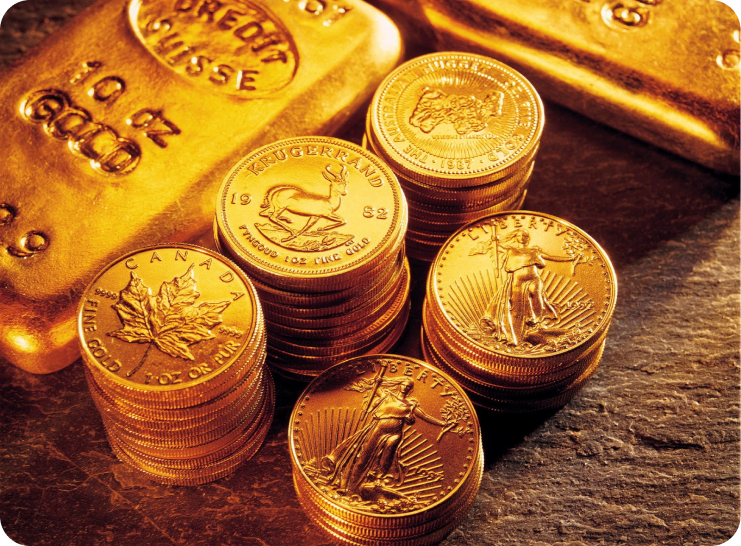
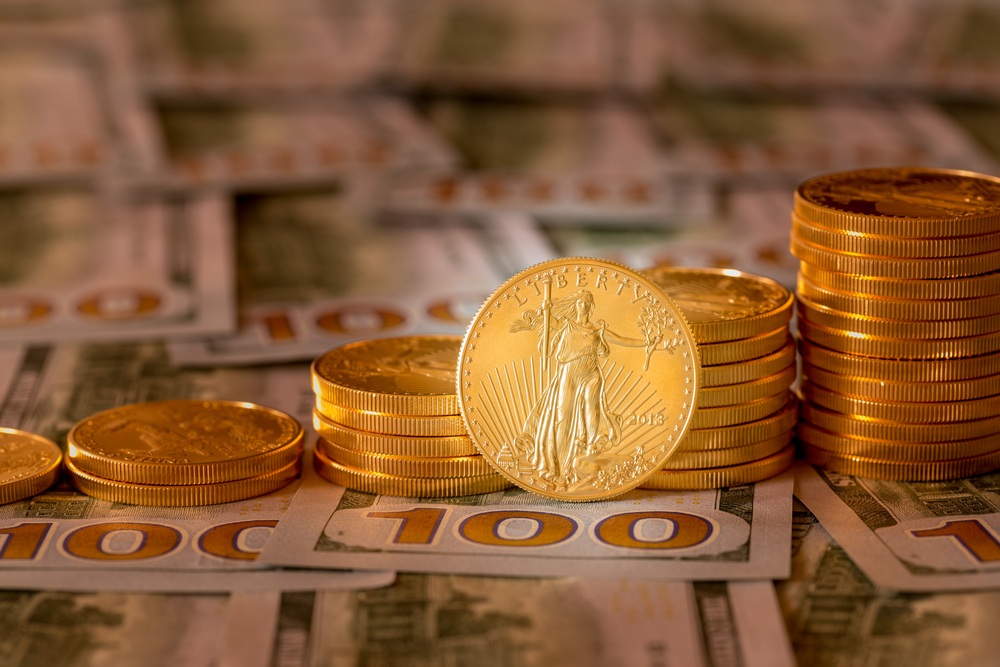
Top Rare Coins to Look for: Every Collector Should Know About Them

rare coins

Rare coins hold a unique place at the intersection of history, art, and financial security. For collectors, each piece represents more than precious metal or face value. It is a preserved moment in time, offering insight into America’s early monetary system, political climate, technological advancements, and cultural shifts. Whether you’re building a long-term investment portfolio or curating a historically rich collection, understanding the background of these iconic coins provides meaningful context and helps guide smart purchasing decisions.

Below is an in-depth look at some of the rarest and most sought-after coins in U.S. history. These exceptional pieces continue to captivate collectors and investors around the world. Furthermore, many of them have been handled, evaluated, and sourced by the experts at Premier Coin Galleries.

Top Rare Coins Every Collector Should Know About

1. 1933 Saint-Gaudens Double Eagle

The 1933 Saint-Gaudens Double Eagle holds a legendary status in the world of numismatics. Designed by the acclaimed sculptor Augustus Saint-Gaudens, this $20 gold coin ranks among the most beautiful coins ever minted in the United States. Its stunning imagery—Lady Liberty with flowing robes on the obverse and a soaring eagle on the reverse—demonstrates the pinnacle of American mint artistry.

  • History: Although the Philadelphia Mint struck over 445,000 coins in 1933, President Franklin D. Roosevelt’s Gold Recall Act prevented them from entering circulation, aiming to stabilize the U.S. economy during the Great Depression. Consequently, nearly all coins melted down, but a few mysteriously escaped destruction, adding to their allure.
  • Value: These coins remain extremely rare, and collectors must obtain government authorization to sell them. Notably, in 2021, one example fetched an astounding $18.9 million at auction, making it the most valuable coin ever sold.

For collectors, the 1933 Double Eagle represents the pinnacle of rarity and mystique. Moreover, its elusive story makes it a treasure unmatched by any other coin.

2. 1804 Silver Dollar

Nicknamed the “King of American Coins,” the 1804 Silver Dollar has commanded attention for nearly two centuries. Despite bearing the date 1804, these coins were not actually minted until the 1830s as diplomatic gifts for foreign dignitaries.

  • History: Only 15 official examples exist, divided into three classes. These coins were struck when the U.S. State Department commissioned proof sets for presentation to foreign leaders, including the King of Siam.
  • Value: Depending on the class and condition, authentic 1804 dollars can sell for between $3 million and $7 million.

Because so few exist, most collectors will never see one in person, making it a symbol of prestige and rarity within the hobby.

3. 1913 Liberty Head Nickel

The 1913 Liberty Head Nickel is a coin surrounded by secrecy, intrigue, and one of the greatest mysteries in U.S. Mint history.

  • History: Only five coins were struck, allegedly without official authorization, as the Mint transitioned from the Liberty Head design to the Buffalo Nickel in 1913. Their existence wasn’t widely known until they appeared in a 1920s exhibition.
  • Value: One example sold for $4.56 million in 2018. Their rarity and background make them one of the most desirable coins for elite collectors.

With only five known examples, this nickel remains one of the greatest American numismatic enigmas.

4. 1794 Flowing Hair Silver Dollar

The 1794 Flowing Hair Silver Dollar marks a critical moment in American history as the first official silver dollar minted by the United States.

  • History: Struck at the fledgling Philadelphia Mint, this coin features Liberty with flowing hair on the obverse and an eagle surrounded by a wreath on the reverse. Only 1,758 coins were produced, and fewer than 150 survive today.
  • Value: A high-grade specimen sold for over $10 million in 2013, one of the highest prices for any coin sold in the U.S.

Collectors prize these coins for their connection to America’s first steps toward establishing a stable, independent monetary system.

5. 1909 VDB Lincoln Cent

The 1909 VDB Lincoln Cent marks the debut of the iconic Lincoln penny. The initials “VDB,” belonging to designer Victor David Brenner, were initially placed prominently on the coin’s reverse.

  • History: Public criticism over the prominent initials led the Mint to remove them shortly after production began. This created a low-mintage variety that quickly became one of the most famous coins among penny collectors.
  • Value: Well-preserved examples can reach several thousand dollars, especially in uncirculated condition.

This coin remains a cornerstone for new and advanced collectors alike.

6. 1652 Pine Tree Shilling

One of the earliest coins circulated in America, the Pine Tree Shilling predates the United States by over a century.

  • History: Minted in the Massachusetts Bay Colony, these coins allowed early settlers to facilitate commerce despite shortages of English currency. The pine tree symbolized strength and the colony’s abundant natural resources.
  • Value: Depending on grade and variety, these colonial coins often sell from several thousand to tens of thousands of dollars.

The Pine Tree Shilling is extremely desirable among collectors of colonial and early American coinage.

7. 1943 Copper Penny

The 1943 Copper Penny is one of the most famous Mint errors in U.S. history.

  • History: In 1943, copper was needed for wartime manufacturing, so the Mint switched to zinc-coated steel. A few copper planchets from 1942 were accidentally used, creating a tiny number of copper 1943 cents.
  • Value: Genuine examples routinely sell for over $100,000, with top-grade specimens reaching $250,000 or more.

The rarity and dramatic backstory make this coin a dream discovery for everyday collectors.

8. 1787 Brasher Doubloon

One of America’s earliest and rarest gold coins, the Brasher Doubloon is a testament to the craftsmanship of its creator, Ephraim Brasher—a respected New York City goldsmith and neighbor of George Washington.

  • History: Brasher privately minted these gold coins years before the U.S. Mint existed. Several variations exist, but all are considered national treasures.
  • Value: A Brasher Doubloon sold in 2011 for $7.4 million and continues to rise in value due to its unmatched rarity.

This coin is often regarded as the ultimate piece of early American numismatic art.

9. 1802 Draped Bust Half Dime

The 1802 Draped Bust Half Dime is one of the scarcest early U.S. silver coins.

  • History: Featuring the elegant Draped Bust Liberty design, this half dime had extremely limited mintage due to metal shortages and minting challenges.
  • Value: High-grade examples exceed $300,000 at auction, while even lower-grade specimens remain valuable.

Collectors appreciate this coin for its early date, limited production, and timeless design.

10. 1822 Capped Bust Half Eagle

The 1822 Capped Bust Half Eagle is one of the most coveted gold coins in American history.

  • History: Only three examples are known to exist, and one resides permanently at the Smithsonian Institution. This extreme rarity makes the coin almost mythical within the collecting community.
  • Value: In 2021, one of the two privately owned specimens sold for $8.4 million.

For collectors of U.S. gold, this coin represents the highest tier of rarity and prestige.

11. 1909-S VDB Lincoln Cent

The 1909-S VDB Lincoln Cent is one of the most famous rare pennies, often regarded as a must-have for serious collectors.

With only 484,000 struck at the San Francisco Mint, this low-mintage variety quickly became a prized collectible. The designer’s initials—“VDB”—appear on the reverse, making it instantly identifiable and historically significant.

12. 1907 Ultra High Relief Double Eagle

The 1907 Ultra High Relief Double Eagle stands out for its artistic perfection and technical innovation. Designed by Augustus Saint-Gaudens at President Theodore Roosevelt’s request, the coin aimed to elevate American coinage to world-class artistic standards.

However, the Mint faced significant challenges when striking the design because of its extraordinary depth. As a result, production remained extremely limited, which adds to the coin’s rarity and prestige.

Today, collectors widely regard this coin as one of the most beautiful American coins ever created. Furthermore, it continues to serve as a centerpiece in advanced collections, admired for both its artistry and historical significance.

13. 1792 Birch Cent

The 1792 Birch Cent is one of the earliest experimental coins created as the United States established its first national Mint.

Named for engraver Robert Birch, this coin helped shape the foundation of American coinage. Only a few examples exist, making it exceptionally rare and historically important.

14. 1894-S Barber Dime

The 1894-S Barber Dime is one of the rarest and most mysterious coins in U.S. history.

Only 24 were minted, possibly as special gifts or for internal Mint accounting reasons. Today, fewer than a dozen survive. Each appearance at auction generates tremendous excitement and headlines.

Premier Coin Galleries: Your Source for Rare Coins

At Premier Coin Galleries, we understand the passion, curiosity, and investment strategy behind rare coin collecting. With more than 30 years of experience, our specialists are committed to helping collectors of all experience levels build meaningful and financially sound portfolios.

  • Expert Guidance: Our knowledgeable team offers personalized recommendations tailored to your goals—whether historical, aesthetic, or investment-focused.
  • Authenticity & Quality: Every coin we offer is thoroughly inspected, authenticated, and evaluated for grade, condition, and long-term value.
  • Extensive Inventory: From beginner-friendly collectibles to museum-quality rarities, Premier Coin Galleries provides access to coins suited for every collector.

Conclusion

Collecting rare coins is a fascinating pursuit that blends history, artistry, and tangible investment value. The coins listed above represent only a fraction of the incredible pieces available in the numismatic world, but they stand out as some of the most coveted treasures ever minted. Whether you’re fascinated by early American coinage, intrigued by Mint errors, or interested in building a robust precious metals portfolio, rare coins offer a rewarding and enduring collectible asset.

Premier Coin Galleries is dedicated to helping you explore these remarkable coins and discover pieces that align with your collecting goals. Contact us today to learn more about our rare coin inventory, current market opportunities, and expert guidance.

Ready to start or expand your collection? Explore our guide on how to start a coin collection.

Frequently Asked Questions About Rare Coins

1. What makes a coin “rare”?

A coin is considered rare due to its limited mintage, historical significance, unique design, or surviving population. Coins with mint errors or unique provenance are also highly sought after by collectors.

2. How do I know if a coin is authentic?

Authenticity can be verified by examining the coin’s design, metal content, weight, and mint marks. Professional grading services and experienced dealers, like those at Premier Coin Galleries, provide certification and expert verification.

3. Can rare coins be a good investment?

Yes. Many rare coins appreciate in value over time due to their scarcity and historical significance. Investing in coins with expert guidance helps ensure you select pieces with both aesthetic appeal and long-term financial potential.

4. How should I store my rare coins?

Proper storage is essential to protect a coin’s condition and value. Use airtight holders, coin capsules, or archival-quality flips, and store them in a cool, dry environment. Avoid touching coins with bare hands to prevent oils or scratches.

5. Where can I buy rare coins?

Reputable dealers like Premier Coin Galleries offer authenticated rare coins for collectors and investors. Avoid purchasing from unverified sources to minimize the risk of counterfeit coins.

6. How do I start a coin collection?

Start by deciding on your collecting focus, whether it’s U.S. coins, world coins, or a specific era. Learn about grading, mintage, and coin history. Premier Coin Galleries provides guides and advice to help beginners start with confidence.

American Gold Eagle Bullion Coins: Discover Their True Value

American Gold Eagle Bullion Coins

At Premier Coin Galleries, we pride ourselves on offering some of the finest and most sought-after precious metal investments available. Among our most trusted and highly recommended options are the American Gold Eagle Bullion Coins. American Gold Eagle Bullion Coins are a timeless embodiment of American craftsmanship, heritage, and financial security. Whether you’re a long-term investor, a new collector, or someone exploring gold for the first time, this coin offers a level of reliability and prestige unmatched in the global market.

In the detailed guide below, we explore the rich history, specifications, investment advantages, collectibility, and long-term appeal of American Gold Eagle Bullion Coins. Additionally, review our comparison guide on American Gold Eagle vs. American Gold Buffalo to determine which investment option is right for your portfolio.

Rich History of American Gold Eagle Bullion Coins

The American Gold Eagle Bullion Coin made its historic debut in 1986 after the passage of the Gold Bullion Coin Act of 1985. This act authorized the United States Mint to produce a gold bullion coin backed by the U.S. government for weight, content, and purity. At the time, many American investors were looking for a safe and highly regulated way to buy gold after decades of limited access. The introduction of the American Gold Eagle met that demand. It made gold investment more accessible, credible, and secure than ever before.

The launch of the Gold Eagle also marked a turning point in the global gold market. Before its release, many Americans relied on foreign coins such as the South African Krugerrand or the Canadian Maple Leaf. The Gold Eagle offered a domestically produced alternative with strong government backing. This assurance helped it quickly become one of the world’s most trusted bullion products.

The American Gold Eagle series was also unique because it followed the historic U.S. standard of 22-karat gold — known as “crown gold.” This durable alloy has been used in U.S. gold coins for more than 150 years. Its inclusion in the Gold Eagle added a connection to America’s numismatic past and gave the coin instant heritage value.

Since its introduction, the American Gold Eagle has remained popular among investors, collectors, and gold enthusiasts. With decades of continuous production, annual releases, and consistent global demand, the Gold Eagle has become a benchmark in the bullion industry. Today, it stands as an enduring symbol of financial stability and American craftsmanship.

Stunning Design and Specifications Of American Eagle Gold Bullion Coins

One of the most remarkable features of the American Gold Eagle Bullion Coin is its unparalleled artistry. The coin’s design blends patriotic symbolism, historic inspiration, and masterful engraving — making it one of the most beautiful bullion coins in the world.

Obverse Design

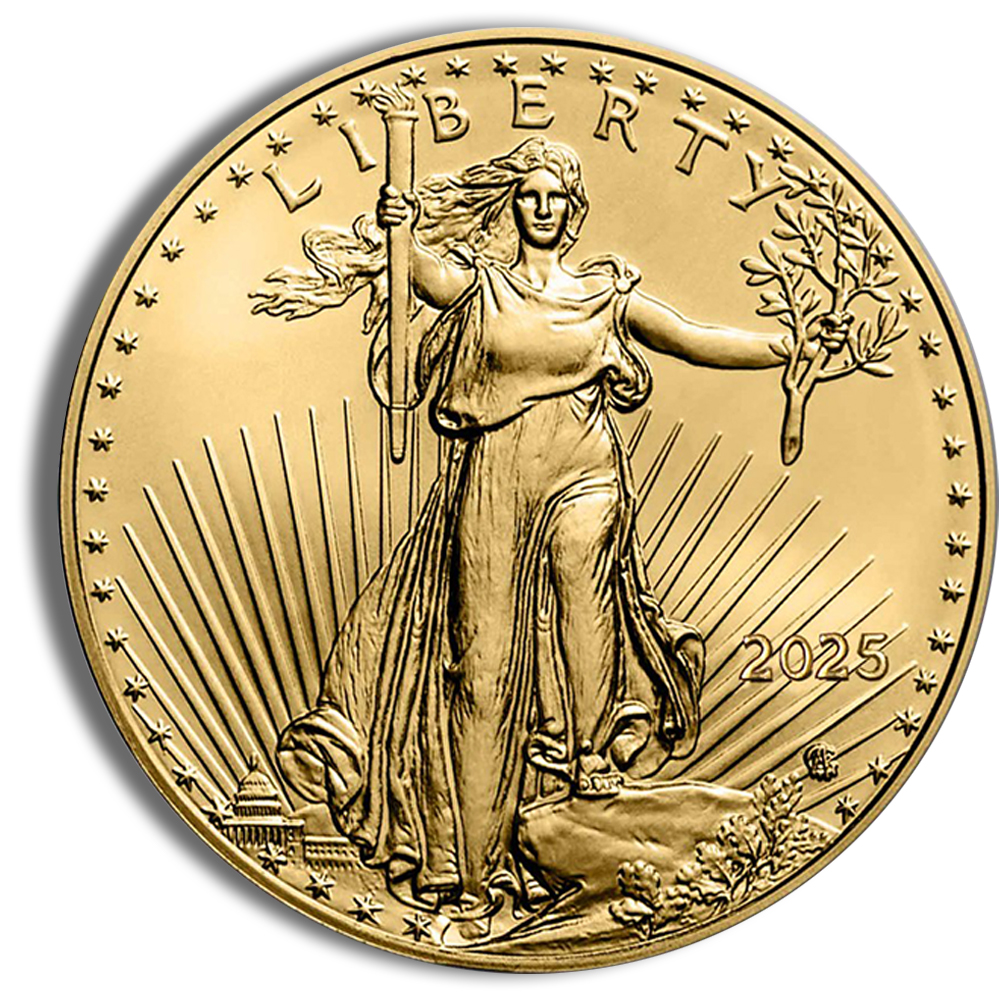
The obverse showcases Augustus Saint-Gaudens’ legendary Lady Liberty design, originally created for the 1907–1933 $20 Double Eagle coin. Lady Liberty strides forward with confidence, holding a torch of enlightenment in her right hand and an olive branch — the symbol of peace — in her left. Rays of sunlight radiate behind her, while the U.S. Capitol can be seen at her feet. This design is widely considered one of the greatest achievements in American numismatic art and has become synonymous with American values and freedom.

Reverse Design

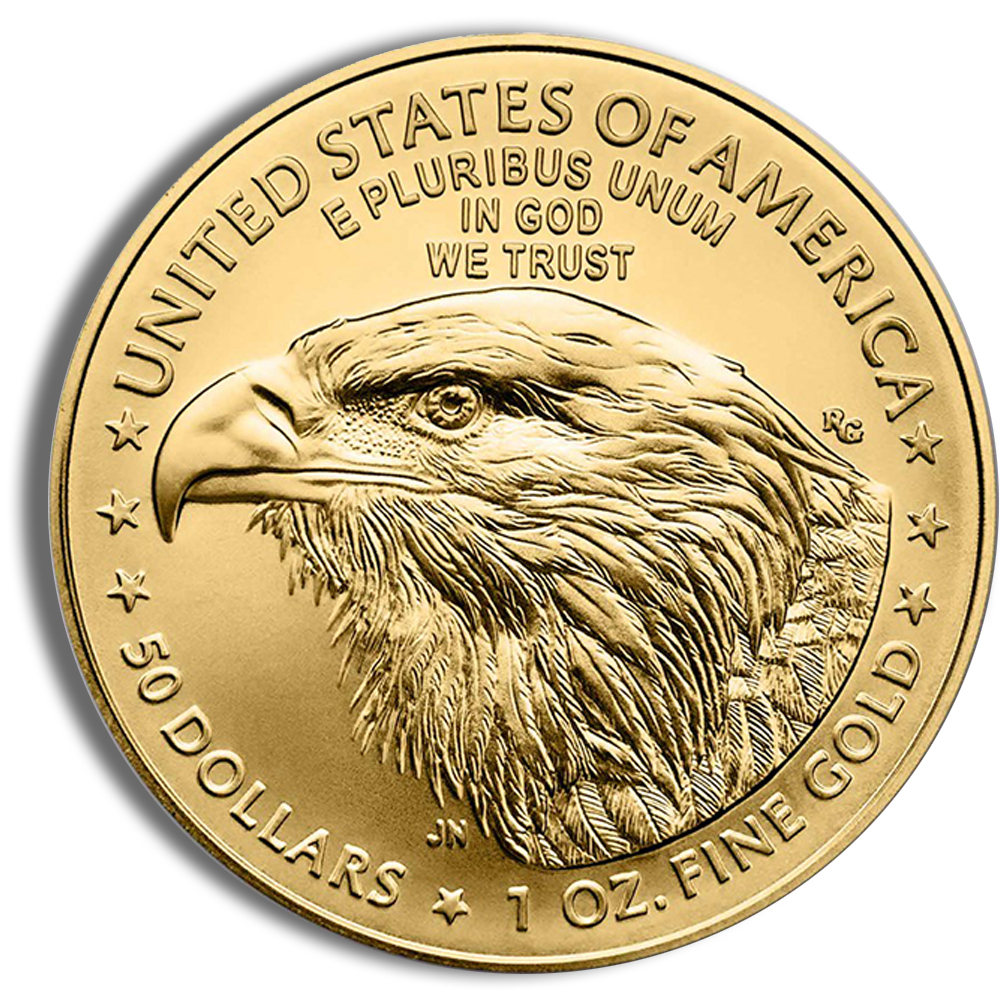
The reverse, created by sculptor Miley Busiek (later known as Miley Tucker-Frost), features a family of bald eagles — a powerful representation of unity, patriotism, and strength. The male eagle soars above the nest carrying an olive branch, returning to the mother and baby eagle below. This imagery reinforces ideals of protection, family, and the enduring spirit of the United States.

Durable 22-Karat Gold Alloy

American Gold Eagles are minted in a 22-karat alloy consisting of 91.67% gold, 5.33% copper, and 3% silver. This composition increases the coin’s resistance to scratches and general wear, making it ideal for both handling and long-term storage. Though the gold purity is 22 karats, each coin still contains the stated full weight of pure gold: 1 oz, ½ oz, ¼ oz, or 1/10 oz.

Available Denominations

  • 1 oz Gold Eagle – Contains 1 troy ounce of pure gold
  • 1/2 oz Gold Eagle – Contains 0.5 troy ounces
  • 1/4 oz Gold Eagle – Contains 0.25 troy ounces
  • 1/10 oz Gold Eagle – Contains 0.10 troy ounces

This variety allows investors to choose based on their budget, strategy, or long-term goals, making American Gold Eagles accessible to investors at all levels.

Investment Benefits of American Gold Eagle Bullion Coins

American Gold Eagle Bullion Coins are more than visually stunning — they are also one of the most secure and practical ways to invest in physical gold. Here are the key reasons they stand out as an exceptional investment:

Government Guarantee

Each coin is backed by the U.S. government for weight, purity, and gold content. This guarantee provides unmatched credibility and eliminates uncertainty for investors who want to ensure they are purchasing authentic, accurately valued gold.

High Liquidity

Thanks to decades of global recognition, Gold Eagles are among the easiest bullion coins to buy, sell, or trade anywhere in the world. Whether you are liquidating a portion of your holdings or shifting into a different metal, Gold Eagles maintain competitive resale pricing.

Portfolio Stability and Diversification

Gold is a time-tested hedge against inflation, currency devaluation, market volatility, and geopolitical uncertainty. During periods of economic stress, gold typically maintains or increases its value. Including American Gold Eagles in your investment portfolio can help protect long-term wealth and reduce risk.

IRA Eligibility

American Gold Eagle Bullion Coins are fully eligible for Precious Metals IRAs. This allows investors to diversify retirement savings with physical gold while enjoying the tax advantages of an IRA. Gold IRAs are increasingly popular among investors seeking long-term stability and protection from market fluctuations.

Longevity and Proven Performance

Gold Eagles have been a cornerstone of American precious metals investment for nearly 40 years. Their long history of steady demand, combined with the global value of gold, makes them a reliable investment choice for both new and experienced investors.

Collectibility and Gift Potential of American Gold Eagle Bullion Coins

While revered by investors, they are also cherished by collectors for their craftsmanship and historical significance. Each coin carries a story. From the revival of the Saint-Gaudens design to its patriotic reverse imagery, this is a meaningful addition to any collection.

Some years feature lower mintages, which can increase their desirability among numismatists. Special editions, such as the Proof and Burnished American Gold Eagles (separate from bullion versions), offer additional collectible appeal due to their limited production and superb finish.

A Meaningful and Lasting Gift
Gold Eagles are unforgettable gifts for birthdays, graduations, weddings, or milestone achievements. As physical assets with intrinsic value, they provide a legacy that appreciates over time — something far more enduring than traditional gifts.

Conclusion

At Premier Coin Galleries, we are committed to helping you make informed decisions about your precious metal investments. The American Gold Eagle Bullion Coin remains one of the most trusted, beautiful, and dependable gold investments available today. Its deep-rooted history, artistic excellence, government backing, and tangible value make it a cornerstone asset for any diversified portfolio.

Contact us to purchase American Gold Eagle Bullion Coins or to explore additional investment opportunities, contact us today. Our experienced team is here to guide you through every step of your precious metals journey.

Invest in American heritage and stability. Invest in American Gold Eagle Bullion Coins with Premier Coin Galleries.

To continue your research, explore our article on historic gold coins and learn more about notable collectibles such as the $10 Liberty Head Eagle. You can also read our dedicated guide on U.S. ten dollars gold coins.

Frequently Asked Questions About American Gold Eagle Bullion Coins

Are American Gold Eagle Bullion Coins a good investment?

Yes. American Gold Eagles are considered one of the most reliable and secure gold investments available. They are backed by the U.S. government, widely recognized worldwide, easy to liquidate, and made of durable 22-karat gold. They offer both long-term stability and portfolio diversification.

What is the purity of an American Gold Eagle?

American Gold Eagles are minted in 22-karat gold (91.67% pure gold) with small amounts of copper and silver added for enhanced durability. Despite the 22-karat alloy, each coin still contains its full stated weight of pure gold.

Can American Gold Eagle Coins be included in a Precious Metals IRA?

Yes. American Gold Eagle Bullion Coins are fully eligible for retirement accounts. You can add them to a Precious Metals IRA to diversify your portfolio and benefit from the long-term stability of physical gold.

Are American Gold Eagles legal tender?

Yes, they carry legal tender status and have face values of $50, $25, $10, and $5 depending on the denomination. However, their market value is based on gold content, not face value.

Do American Gold Eagles have collectible value?

Absolutely. While bullion versions are primarily investment pieces, certain years have lower mintages that make them more collectible. Additionally, Proof and Burnished Gold Eagles—although not bullion—are highly sought after by collectors for their superior finish.

What sizes do American Gold Eagle Coins come in?

They are available in four denominations: 1 oz, 1/2 oz, 1/4 oz, and 1/10 oz. This variety gives investors the flexibility to invest at different levels and build their portfolios over time.

Are American Gold Eagles better than American Gold Buffalo Coins?

Both are excellent investments, but each has unique benefits. Gold Eagles are 22-karat and extremely durable, while Gold Buffaloes are 24-karat (.9999 fine). You can read our comparison guide here: American Gold Eagle vs. American Gold Buffalo.

Do American Gold Eagles make good gifts?

Yes. Their beauty, historical significance, and guaranteed gold content make them meaningful gifts for birthdays, graduations, anniversaries, weddings, and major milestones. They appreciate over time and can be passed down for generations.

Popular Types of U.S. Gold Coins

US gold coin double eagle 20 dollars

Gold coins have long been a symbol of wealth, prestige, and historical significance. In the United States, gold coins have been minted for centuries. Gold coins serve as currency but also as valuable collectibles for investors and coin enthusiasts. With so many varieties produced over different eras, it can be challenging to identify which U.S. gold coins are the most popular or worth collecting. At Premier Coin Galleries on Long Island, we specialize in gold coins, rare coins, and precious metals investments. We help Long Island collectors and investors make informed decisions. This comprehensive guide will explore the most popular U.S. gold coins, their history, design features, and investment potential.

The enduring popularity of U.S. gold coins can be attributed to their combination of historical significance, intrinsic value, and collectible appeal. Unlike modern currency, which primarily functions as money, gold coins carry both tangible value due to their gold content and collectible value tied to rarity, historical context, and condition. Over the years, U.S. gold coins have been meticulously crafted by the United States Mint. This ensures precise weights, purity, and artistic detail. For collectors, these coins offer a way to own a piece of American history. For investors, they appreciate their potential for long-term appreciation, especially in times of economic uncertainty. The appeal of U.S. gold coins transcends generations, with many coins retaining or even increasing in value decades after their original minting.

American gold eagle obverse
American gold eagle reverse

The American Gold Eagle

One of the most recognizable U.S. gold coins is the American Gold Eagle. First introduced in 1986, the Gold Eagle quickly became a favorite among investors and collectors due to its elegant design and reliable gold content. Produced by the United States Mint, the Gold Eagle is available in four sizes: 1 oz, ½ oz, ¼ oz, and 1/10 oz. Therefore, it is accessible for both large and small investors. The coin’s obverse features Augustus Saint-Gaudens’ classic depiction of Lady Liberty striding forward, holding a torch and an olive branch. This design was originally used on the $20 double eagle coins of the early 20th century. The reverse showcases a family of eagles, symbolizing strength and unity. Each Gold Eagle contains a minimum of 91.67% gold. The remainder is comprised of silver and copper, giving the coin durability while maintaining high intrinsic value. Its combination of historical design, reliable gold content, and official mint production has made the American Gold Eagle one of the most sought-after gold coins in the United States.

Investment Appeal and Collectibility

The American Gold Eagle is highly regarded not only for its aesthetic beauty but also as a long-term investment. Investors often purchase these coins as part of a diversified portfolio. In addition, collectors seek them for their historical and artistic significance. Limited editions, proof sets, and special mint years further enhance collectibility, providing opportunities for both short-term trading and long-term value growth. The Gold Eagle’s status as legal tender in the United States also adds credibility and assurance for buyers, making it a staple in any serious gold coin collection.

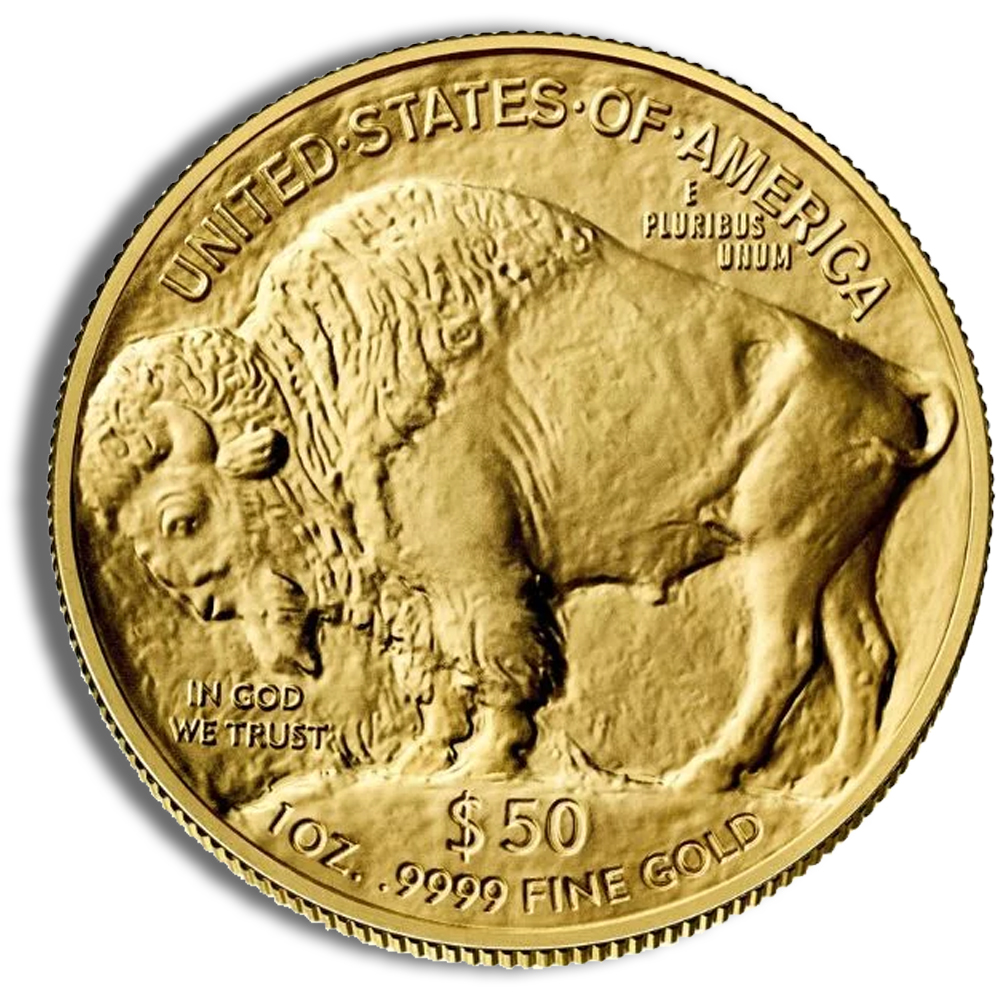
2025 1 oz American Gold Buffalo
American Gold Buffalo reverse

The American Gold Buffalo

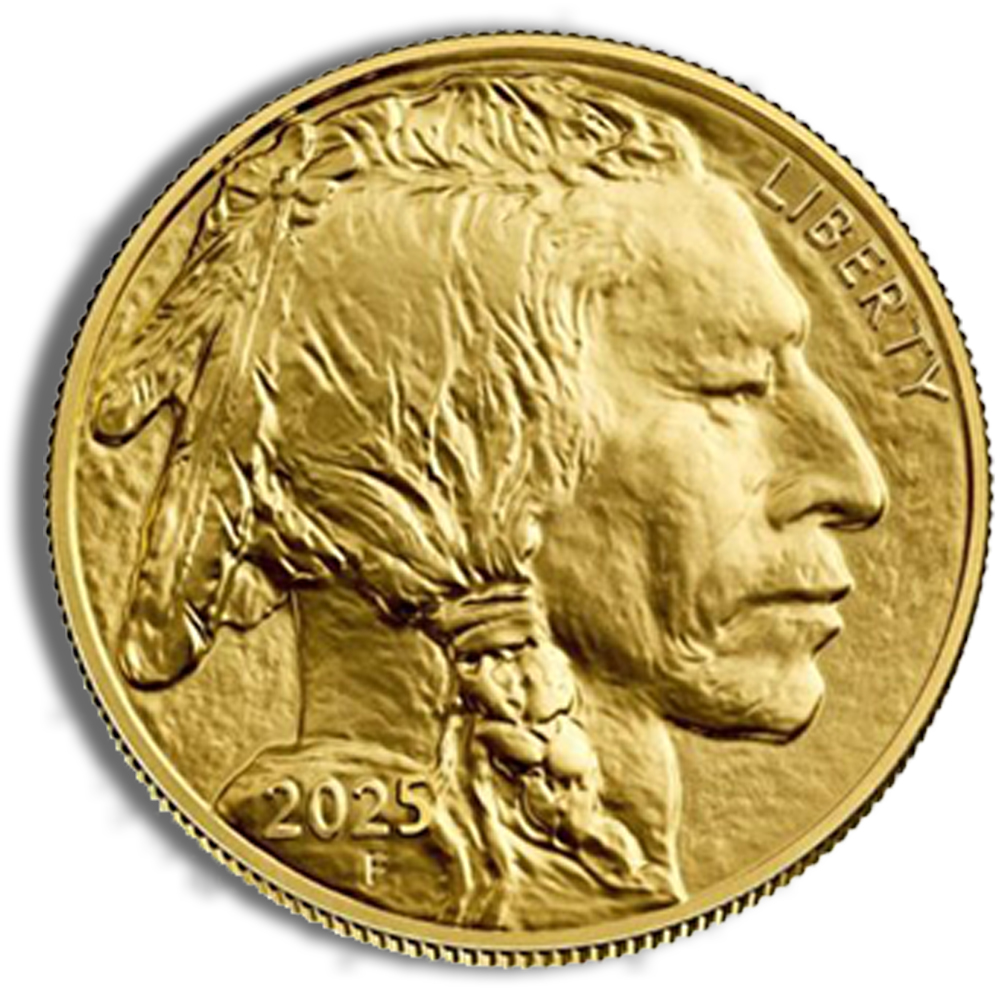
Another iconic U.S. gold coin is the American Gold Buffalo, introduced in 2006. Unlike the Gold Eagle, which contains an alloy of metals for durability, the Gold Buffalo is made of 24-karat pure gold, or 99.99% gold content. It is the first U.S. coin available to the public in this purity. The coin’s design pays homage to the classic Buffalo Nickel created by James Earle Fraser in 1913, featuring a Native American on the obverse and a buffalo on the reverse. This nostalgic design connects collectors to American history while providing a modern investment in pure gold. The American Gold Buffalo comes in a 1 oz size. The coin has quickly become a favorite among investors seeking both purity and collectible appeal.

Why Collectors Choose the Gold Buffalo

Collectors and investors alike appreciate the Gold Buffalo for its combination of purity, historical design, and limited annual mintages. Its 24-karat gold content gives it intrinsic value. The iconic design and association with early 20th-century coinage make it a visually striking piece for collections. Additionally, the Gold Buffalo is recognized internationally, making it a liquid and trusted option for buyers and sellers around the world.

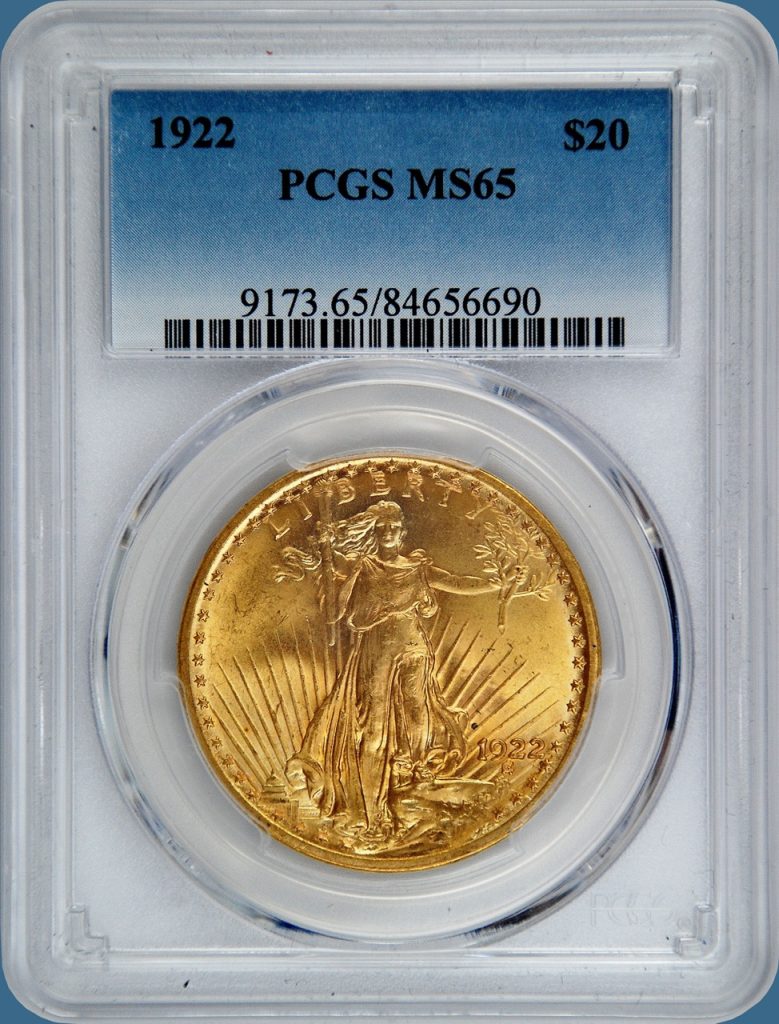
st gaudens double eagle for sale at Premier Coin Galleries of Long Island

The American Gold Double Eagle

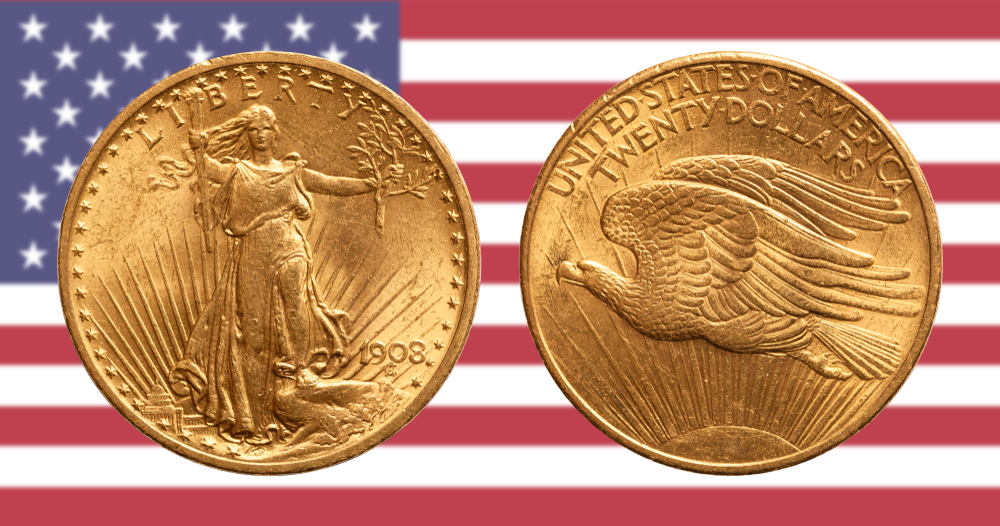
The American Gold Double Eagle is one of the most historically significant U.S. gold coins. Originally minted from 1849 to 1933, the $20 Double Eagle played an important role in American economic history, particularly during the California Gold Rush and subsequent gold standard era. Designed by Augustus Saint-Gaudens, the obverse features Lady Liberty in flowing robes holding a torch and olive branch. The reverse showcases a majestic eagle in flight. These coins are highly collectible due to their historical context, artistic design, and limited availability. Notably, the 1933 Double Eagle is among the rarest and most valuable U.S. coins ever minted, with only a few legally held by private collectors.

Collecting the Double Eagle

Collectors prize Double Eagles for their historical significance and artistry. While many coins from the 19th and early 20th centuries are valuable for their gold content alone, rarer dates and mint marks carry significant numismatic premiums. Coins in pristine condition or certified by grading services such as PCGS or NGC can command extraordinary prices. These are a centerpiece in any serious U.S. gold coin collection.

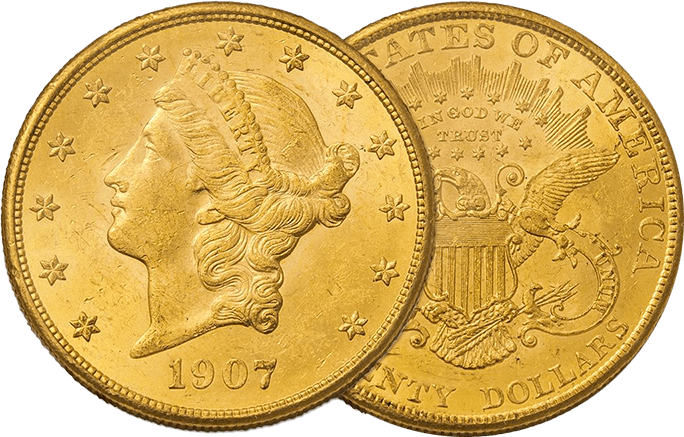
Liberty head double eagle gold coin front and back

The Liberty Head Gold Coins

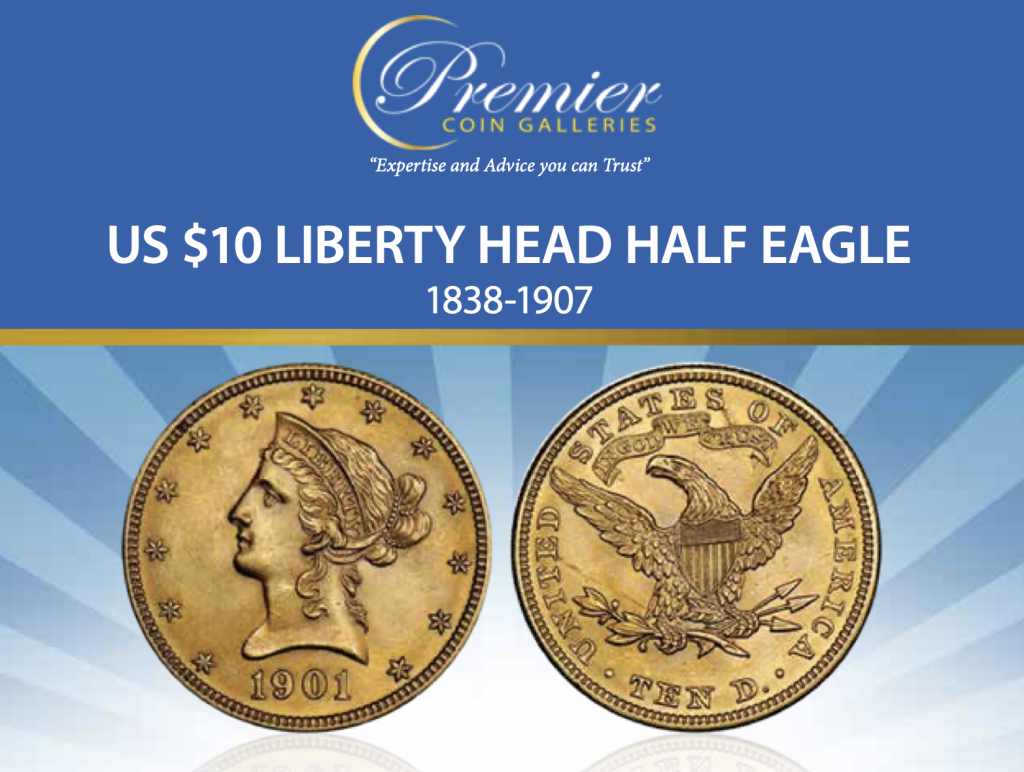
Liberty Head gold coins, also known as Coronet Head coins, were minted from 1838 to 1907 in various denominations. Denominations include $1, $2.50 (Quarter Eagle), $5 (Half Eagle), $10 (Eagle), and $20 (Double Eagle). The obverse features a classical depiction of Liberty wearing a coronet, while the reverse showcases an eagle, often with a shield. These coins were produced in significant quantities, yet many remain highly collectible due to age, historical context, and design quality. They reflect the growth of the U.S. economy and the expansion of coinage during the 19th century.

Why Liberty Head Coins Are Important

Collectors value Liberty Head gold coins for their historical relevance, particularly during the 19th-century gold rushes and industrial expansion. Certain rare mint marks or years, such as the 1849 Double Eagle, are highly sought after and can command exceptional prices. As both a collectible and an investment, Liberty Head coins offer a tangible connection to America’s economic history while providing intrinsic gold value.

st gaudens double eagle for sale at Premier Coin Galleries of Long Island

The Saint-Gaudens $20 Gold Coin

Often regarded as the most beautiful U.S. coin ever minted, the Saint-Gaudens $20 Gold Coin was produced from 1907 to 1933. Named after its designer, Augustus Saint-Gaudens, this coin was part of President Theodore Roosevelt’s effort to beautify American coinage. The obverse features Lady Liberty striding forward with a torch and olive branch, while the reverse depicts a majestic eagle in flight. The Saint-Gaudens $20 is highly collectible, and coins from certain years, such as the 1907 High Relief, are considered masterpieces in numismatic history. Collectors prize these coins for their artistic merit, historical importance, and high gold content.


Tips for Collecting U.S. Gold Coins

Collecting U.S. gold coins can be both rewarding and complex. To ensure a valuable collection, collectors should focus on several key strategies. First, always purchase coins from reputable dealers, such as Premier Coin Galleries on Long Island, to guarantee authenticity and quality. Second, familiarize yourself with coin grading and certification from services like PCGS or NGC, which can significantly impact resale value. Third, research historical mintages, rare years, and unique mint marks, as these factors often determine collectibility. Lastly, store coins in secure, climate-controlled environments to preserve their condition and protect your investment for the long term. By following these guidelines, collectors can build a collection that is both financially and historically valuable.

Investing in U.S. Gold Coins

In addition to their collectible appeal, U.S. gold coins are considered a sound investment. They combine intrinsic value based on gold content with potential appreciation from rarity and demand among collectors. Investors often diversify their portfolios with a mix of bullion coins, like the American Gold Eagle and Gold Buffalo, and rare historical coins, such as Liberty Head and Double Eagle coins. This strategy balances liquidity, historical interest, and long-term value growth. For those considering a Gold IRA or retirement investment, certified U.S. gold coins are a reliable option that provides security against inflation and economic uncertainty.

FAQs About U.S. Gold Coins

Q1: What are the most popular U.S. gold coins for collectors?

The most popular U.S. gold coins include the American Gold Eagle, American Gold Buffalo, Liberty Head coins, Saint-Gaudens $20 Gold Coins, and Double Eagles. These coins are valued for their historical significance, design, and gold content.

Q2: What makes the American Gold Eagle so special?

The American Gold Eagle is prized for its classic design, official U.S. Mint production, and reliable gold content. It is available in multiple sizes and has become a cornerstone for collectors and investors alike.

Q3: Are Liberty Head coins worth investing in?

Yes. Liberty Head coins hold historical and collectible value. Rare years and mint marks can significantly increase their market price, making them both a valuable collectible and a potential investment.

Q4: How can I ensure the gold coins I purchase are authentic?

Always buy from reputable dealers, verify coins through professional grading services like PCGS or NGC, and familiarize yourself with coin specifications, design features, and mint marks.

Q5: What is the difference between bullion and collectible gold coins?

Bullion coins, like the Gold Eagle and Gold Buffalo, primarily track the value of gold and are highly liquid. Collectible coins, such as historical Double Eagles or Liberty Head coins, may carry additional numismatic premiums due to rarity, condition, or historical significance.

For expert guidance on buying, selling, or appraising U.S. gold coins, contact Premier Coin Galleries on Long Island today. Our experienced team can help you build a collection or investment portfolio that combines historical value with financial security.

How Can I Tell if My Gold Coin is Real?

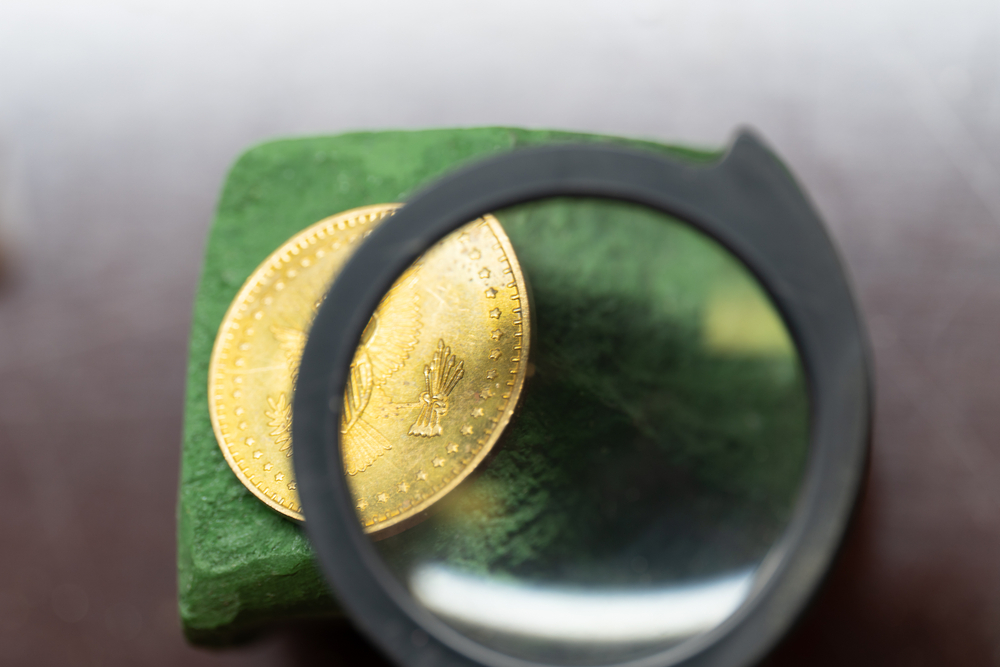
Old gold coin viewed through a magnifying glass

Gold coins have fascinated collectors and investors for centuries, serving not only as currency but also as a store of wealth and a symbol of prestige. Whether you’re a seasoned collector or new to the world of coin investing, ensuring your gold coins are genuine is crucial. At Premier Coin Galleries, located on Long Island, we specialize in buying, selling, and appraising gold coins, rare coins, and collectibles. This comprehensive guide will walk you through how to determine whether your gold coins are authentic.

Why Verifying Gold Coin Authenticity Matters

Authenticity matters for both financial and personal reasons. Fake coins can result in significant monetary loss and may even damage your reputation as a collector. Genuine coins retain value and often appreciate over time, especially rare or historical coins.

The Risks of Counterfeit Gold Coins

  • Financial loss when buying or selling fake coins.
  • Difficulty reselling counterfeit coins.
  • Potential legal implications in rare cases.
  • Loss of trust in the coin-collecting community.

The History and Value of Gold Coins

Gold coins have been produced and circulated for thousands of years. From ancient civilizations to modern mints, their value extends beyond metal content to historical and collectible significance.

Ancient and Historical Gold Coins

  • Ancient Roman Coins: Early gold coins like the aureus served as currency and symbols of imperial authority.
  • Greek Drachmas: Gold drachmas were minted with intricate designs and carry immense historical value.
  • American Gold Double Eagle (1850s–1933): Highly sought after for their rarity and historical significance.

How History Affects Coin Value

Coins with historical significance or limited minting often carry higher premiums than their gold content alone. Collectors value provenance, rarity, and condition as much as the gold itself.


Popular Gold Coins to Know for Authentication

Understanding the most common collectible gold coins helps you identify authenticity markers and recognize counterfeits.

American Gold Eagle

  • Mint: United States Mint
  • Weight: 1 oz (33.931 grams)
  • Diameter: 32.7 mm
  • Design: Lady Liberty and a family of eagles
  • Authentication Tips: Check reeded edges, relief details, and mint marks.

Canadian Maple Leaf

  • Mint: Royal Canadian Mint
  • Weight: 1 oz (31.1 grams)
  • Diameter: 30 mm
  • Design: Maple leaf, fine radial lines
  • Authentication Tips: Look for micro-engraved security marks introduced after 2013.

South African Krugerrand

  • Mint: South African Mint
  • Weight: 1 oz (33.93 grams)
  • Diameter: 32.77 mm
  • Design: Springbok antelope, Paul Kruger’s portrait
  • Authentication Tips: Check relief details, reeded edges, and gold purity stamp.

Carson City Mint Coins

  • Mint: Carson City Mint (1870–1893)
  • Rare and collectible coins with the “CC” mint mark
  • Authentication Tips: Verify mint mark placement, coin condition, and historical documentation.

Physical Examination Techniques

Check the Coin’s Weight and Dimensions

Authentic coins have precise weight and diameter. Use a digital scale and caliper to measure your coin and compare it to official mint specifications.

Examine the Coin’s Appearance and Details

Genuine coins feature sharp, intricate designs. Look for:

  • Mint marks placed accurately
  • Correct date alignment
  • Proper edge design (reeded or plain)
  • Even relief and clear inscriptions

Inspect the Color and Luster

Gold has a warm yellow hue and reflective luster. Avoid coins that appear overly shiny or have discoloration inconsistent with gold’s natural color. Older coins may show patina, which is normal.


Modern Anti-Counterfeit Features

Many modern mints incorporate security features to prevent forgery:

Micro-Engraving and Laser Marks

Some coins include microscopic engravings that are hard to replicate.

Radial Lines and Security Patterns

Advanced coin designs, such as the Canadian Maple Leaf, have radial lines visible under magnification.

Serial Numbers on Bullion Coins

Certain coins include serial numbers for verification with the mint or grading service.


Magnetic and Density Testing

Magnetic Tests

Gold is non-magnetic. If a coin sticks to a magnet, it is likely counterfeit. Note: Some non-magnetic metals may also mimic gold, so use this test with other verification methods.

Density and Float Tests

Gold is very dense (19.32 g/cm³). You can measure density via water displacement:

  1. Fill a graduated cylinder with water and note the volume.
  2. Submerge the coin and record the new volume.
  3. Subtract the original volume to calculate the coin’s volume.
  4. Divide the coin’s weight by its volume to find density.

Professional Authentication Methods

X-Ray Fluorescence (XRF) Analysis

XRF testing accurately identifies metal composition without damaging the coin. Trusted by dealers and grading services.

Acid Testing

Acid testing can determine gold purity, but improper use may damage coins. It is best performed by experienced professionals.

Third-Party Grading Services

Services like PCGS and NGC provide authentication and grading, ensuring both authenticity and condition verification.


Checking Documentation and Provenance

Certificates of authenticity, receipts, and provenance records provide proof of legitimacy. For rare or historical coins, auction records and mint documents add value and security.


Common Gold Coin Scams and How to Avoid Them

Counterfeit Coins

Fake replicas of popular coins like American Gold Eagles or Canadian Maple Leafs can circulate online or through unverified sellers.

Overstated Purity

Some coins are advertised as higher purity than they actually are. Always request proof of karat and testing.

Weight Substitution

Counterfeiters may plate cheaper metals with gold. Combining weight, density, and professional verification reduces risk.


Gold Coin Investment Strategies

Collectible vs. Bullion Coins

Collectible coins often carry a premium due to rarity and historical significance. Bullion coins track gold spot prices and are easier to liquidate.

Diversification and Long-Term Investment

  • Invest in a mix of bullion and rare coins.
  • Consider a Gold IRA rollover for retirement planning.
  • Focus on long-term value appreciation.

How to Sell or Trade Gold Coins Safely

  • Sell through certified dealers like Premier Coin Galleries on Long Island.
  • Request appraisals and certifications before selling.
  • Use trusted auction platforms or escrow services for online transactions.
  • Beware of buyers offering prices too good to be true.

DIY Testing vs. Professional Evaluation

While at-home testing is helpful, professional evaluation ensures accuracy. Tools like XRF analyzers, certified scales, and acid kits provide preliminary verification, but only experts can guarantee authenticity and proper grading.


Tips for Protecting Your Gold Coin Investment

  • Store coins in secure, climate-controlled environments.
  • Regularly inspect and verify your collection.
  • Keep documentation and certificates safe.
  • Stay informed about counterfeiting trends and new anti-counterfeit measures.

Conclusion

Authenticating gold coins involves a combination of careful observation, physical testing, understanding of coin history and design, and professional verification. By following these methods, collectors and investors can confidently protect their assets, enjoy their collection, and trade safely.


FAQs About Gold Coin Authentication

Q1: Can I tell if a gold coin is real just by looking at it?

While visual inspection may reveal obvious counterfeits, appearance alone is not reliable. Use multiple verification methods to confirm authenticity.

Q2: Is a magnet test enough to verify gold?

No. Gold is non-magnetic, but some counterfeit metals are also non-magnetic. Combine this with weight, density, and professional evaluation.

Q3: Should I trust online sellers for gold coins?

Only if they are reputable and provide verified documentation. Trusted dealers like Premier Coin Galleries minimize risk.

Q4: How can professional grading services help?

Grading services authenticate coins, assign condition grades, and provide a market-recognized certificate, enhancing both confidence and resale value.

Q5: What is the most reliable way to confirm a gold coin’s authenticity?

The best approach combines physical inspection, density/magnetic testing, and professional authentication through XRF or third-party grading services.

For expert assistance, appraisals, or to buy or sell verified gold coins, contact Premier Coin Galleries on Long Island today.

Could Gold Become a Global Currency Again? What Investors Need to Know

Globe and stack with coins. Money makes the world go round

Gold has fascinated humanity for thousands of years. Its luster, rarity, and universal recognition have made it a symbol of wealth, power, and security across civilizations. From ancient kings to modern investors, gold has been valued for its ability to preserve wealth and act as a reliable store of value. At Premier Coin Galleries on Long Island, we specialize in helping investors and collectors navigate the world of gold coins, rare coins, and investment-grade collectibles. But could gold ever serve as a global currency again? And why do gold coins remain such an important investment today? This guide will explore gold’s history, investment potential, and its enduring significance in the modern financial world.

History of Gold as Currency

Gold in Ancient Civilizations

Gold has been used as currency for over 5,000 years. Ancient Egyptians valued gold for both its beauty and permanence, using it for jewelry, ceremonial items, and as a medium of exchange. Gold coins began appearing in the 7th century BC in Lydia (modern-day Turkey), making them the first standardized coins in history. Other civilizations, including the Greeks and Romans, followed suit, creating gold coins that circulated widely for trade.

The Gold Standard Era

The gold standard, adopted in the 19th and early 20th centuries, tied national currencies to fixed quantities of gold. In the United States, the gold standard was in effect until 1971, when President Nixon ended the dollar’s convertibility into gold. Countries like the United Kingdom, Germany, and France also adhered to gold standards at various points, providing stability to international trade and investment. Coins such as the Liberty Head Eagle (1907-1933) and Saint-Gaudens Double Eagle (1907-1933) were both circulating currency and investment assets.

Famous Gold Coins and Their Legacy

Gold coins are not only valuable for their metal content but also for their historical significance and rarity. Some of the most notable examples include:

  • 1907 Saint-Gaudens Double Eagle: Widely considered one of the most beautiful U.S. coins ever minted. The 1933 edition is among the rarest in the world and highly sought after by collectors.
  • Liberty Head Eagle (1907-1933): A classic $10 gold coin, especially prized in San Francisco (S mint mark) and Philadelphia (no mint mark).
  • Indian Head Eagle (1907-1933): Features a Native American chief and is renowned for its numismatic appeal.
  • Gold American Buffalo (2006-present): One of the purest U.S. gold coins (.9999 fine gold), widely used for modern investment and Gold IRAs.

Global Gold Coins

Gold has been universally recognized, and coins from around the world carry investment and historical value. Examples include:

  • South African Krugerrand: Introduced in 1967, it was the first modern bullion coin, facilitating global investment in gold.
  • British Gold Sovereign: Minted since 1817, these coins are both historically significant and highly collectible.
  • Canadian Gold Maple Leaf: Introduced in 1979, valued for purity (.9999) and global recognition.
  • Chinese Gold Panda: Known for its annual changing design, popular among collectors and investors worldwide.

Gold in Trade and Reserves

Historically, gold facilitated international trade due to its universal acceptance and difficulty to counterfeit. Nations held gold reserves to back currency, stabilize economies, and provide financial security. Even today, central banks maintain substantial gold reserves, highlighting its enduring importance in global finance.


Why Gold Isn’t Used as Everyday Currency Today

Practical Challenges

Despite its universal value, gold is impractical for daily transactions. Carrying gold coins or bars for purchases is cumbersome, and fractional payments require precise measurement. Modern banking systems, debit cards, and digital payments offer far more convenience for day-to-day commerce.

Price Volatility

Gold prices fluctuate based on global demand, geopolitical events, and economic factors. For example, gold rose from around $1,200 per ounce in 2012 to over $2,000 per ounce in 2020 during periods of economic instability. This volatility makes gold unsuitable for daily currency, although it increases its appeal as a long-term investment.

Modern Banking Systems

Today’s fiat currencies are backed by government trust rather than physical assets, allowing for efficient global trade, digital banking, and credit systems. Gold, by contrast, cannot compete with the convenience, speed, and flexibility of modern financial systems for daily transactions.


Gold Coins as an Investment

Safe Haven During Economic Uncertainty

Gold coins are widely recognized as a hedge against inflation and economic instability. During the 2008 financial crisis and the 2020 COVID-19 pandemic, gold prices surged as investors sought security. Collectible coins offer additional value through rarity, historical significance, and market demand.

Popular Coins for Investment

Investors often seek coins that are highly liquid, globally recognized, and historically significant. Examples include:

  • U.S. Gold American Eagles: Available in multiple denominations, highly liquid, and widely recognized internationally.
  • 1907 Saint-Gaudens Double Eagles: Rare and historically significant, ideal for long-term investment.
  • Gold Buffalo Coins: Modern coins with .9999 fine gold purity, suitable for Gold IRAs and secure storage.
  • Canadian Gold Maple Leaf: Globally recognized and easy to trade internationally.
  • Krugerrands and British Sovereigns: Both historic and liquid, often used for bullion investment and portfolio diversification.

Investment Strategies for Long Island Investors

For investors on Long Island and beyond, building a gold coin portfolio involves careful selection based on historical significance, rarity, and liquidity. Diversifying holdings with both bullion and collectible coins helps balance market risk. Investors should also consider certification by organizations such as PCGS or NGC to ensure authenticity and market value.

Gold IRAs and Retirement Planning

Gold IRAs provide a unique opportunity to hold physical gold in a tax-advantaged retirement account. Approved coins typically include U.S. Mint products like the Gold American Eagle and Gold Buffalo. Premier Coin Galleries helps Long Island investors select coins, set up secure storage, and ensure compliance with IRS regulations. Gold IRAs can diversify retirement portfolios, providing stability during economic uncertainty.

Liquidity and Certification

Certified coins are essential for resale or trading. Coins graded by PCGS or NGC, with CAC verification, are more easily sold globally. Certification provides peace of mind and ensures investors receive fair market value for their coins.


Could Gold Become a Global Currency Again?

Gold as a Global Reserve Asset

Central banks continue to hold gold as a strategic reserve asset. Countries like China, Russia, Germany, and India have increased their holdings, demonstrating confidence in gold’s stability and long-term value. Gold remains a hedge against currency devaluation and geopolitical risk.

Potential Drivers for a Gold-Backed Currency

  • Economic instability or hyperinflation in major economies could increase interest in gold-backed currencies.
  • Investor demand for tangible assets in the face of digital currency volatility.
  • Emergence of gold-backed digital currencies and stablecoins, bridging traditional and modern finance.

Challenges to Global Adoption

While possible in theory, a return to a gold-based global currency faces significant obstacles:

  • Limited annual gold production (around 3,000 tons worldwide).
  • Need for standardization in trade, measurement, and divisibility.
  • Integration with modern banking and digital systems would require substantial infrastructure investment.

Case Studies and Examples

Investor Success Stories

Many collectors and investors have preserved wealth through gold coins. For instance, investors who held Saint-Gaudens Double Eagles or Gold Buffalo coins during market downturns saw their portfolios retain or grow in value, highlighting gold’s role as a safe haven.

Long Island Investors

Local investors on Long Island have benefited from diversifying with gold coins, especially through Premier Coin Galleries’ guidance. Collectors have built portfolios including Liberty Head Eagles, Maple Leafs, and Krugerrands, providing both collectible appeal and financial security.

Historical Returns vs Other Assets

Historically, gold has outperformed many assets during crises. From 2000 to 2020, gold increased by over 400%, while the S&P 500 experienced fluctuations and real estate markets faced regional volatility. This demonstrates gold’s reliability as a wealth preservation tool.


Frequently Asked Questions

Can I use gold coins for everyday purchases?

While technically possible, it is highly impractical due to divisibility, weight, and market value fluctuations. Gold coins are better suited for investment and collection rather than daily spending.

Which gold coins are most liquid for investors?

Coins like the Gold American Eagle, Gold Buffalo, Krugerrand, Canadian Maple Leaf, and British Sovereign are widely recognized and highly tradable globally.

How do I ensure my gold coin is authentic?

Certification by reputable grading organizations such as PCGS or NGC, sometimes with CAC verification, ensures authenticity and fair market value.

Are Gold IRAs worth it?

Yes, Gold IRAs allow investors to hold physical gold in a tax-advantaged retirement account, diversifying portfolios and providing a hedge against inflation and market volatility.


Premier Coin Galleries’ Role in Gold Investment

Long Island’s Trusted Coin Dealer

Premier Coin Galleries has over 30 years of experience helping collectors and investors secure gold, silver, and rare coins. Our experts provide guidance on market trends, coin selection, and portfolio strategy for Long Island investors seeking to preserve wealth.

Expert Guidance and Rare Coins

We assist clients in choosing coins with historical significance and investment potential. From Saint-Gaudens Double Eagles to modern Gold Buffalos, our team ensures clients understand rarity, condition, and market demand.

Gold IRAs and Secure Investments

We provide full support for Gold IRAs, including coin selection, secure storage options, and compliance guidance. Our Long Island clients benefit from a trusted partner in building retirement portfolios with physical gold.

Building Long-Term Wealth

Gold coins offer tangible value, historical prestige, and investment security. Premier Coin Galleries ensures that collectors and investors can confidently grow and preserve their wealth, leveraging both market knowledge and access to rare, high-quality coins.

Conclusion

Gold continues to be a universally recognized store of value. While unlikely to replace fiat currency for daily transactions, gold coins remain a highly reliable investment, offering historical significance, liquidity, and protection against economic uncertainty. Coins like the Saint-Gaudens Double Eagle, Gold American Eagle, and Gold Buffalo provide both collectible appeal and long-term financial security. For Long Island investors, Premier Coin Galleries offers unmatched expertise, guiding collectors and investors through gold coin selection, Gold IRA setup, and wealth preservation strategies.

How to Choose the Right Long Island Coin Dealer

Collection of old coins in red case

Investing in precious metals and rare coins has long been recognized as one of the most reliable ways to preserve and grow wealth. Whether you’re safeguarding your retirement savings, diversifying your portfolio, or starting a new hobby in numismatics, choosing the right Long Island coin dealer is the most important step you can take. With so many dealers offering gold, silver, and collectible coins, how do you know who you can trust?

At Premier Coin Galleries, we understand that your investments deserve transparency, expertise, and integrity. For more than 30 years, our team has been helping clients across Long Island and beyond make sound financial decisions in the world of precious metals and rare coins. In this guide, we’ll walk you through exactly what to look for in a reputable coin dealer—and how Premier Coin Galleries stands apart.


Why Choosing the Right Coin Dealer Matters

When investing in coins, you’re not just purchasing a piece of metal—you’re investing in history, rarity, and long-term value. A trustworthy dealer ensures that your purchases are authentic, fairly priced, and suited to your goals. The right Long Island coin dealer will help you understand the market, provide guidance on timing your investments, and protect you from common pitfalls like counterfeit coins or inflated premiums.

Unfortunately, not every coin dealer operates with integrity. Some may exaggerate coin values, push unnecessary products, or charge unreasonable fees. That’s why your choice of dealer is just as important as the coins you buy.


Key Qualities to Look for in a Long Island Coin Dealer

1. Reputation and Experience

One of the first things to consider is a dealer’s reputation. A company that has been in business for decades, with a proven record of satisfied clients, is usually a safer choice than a newer or less established competitor.

For instance, Premier Coin Galleries has been a trusted name in precious metals for over 30 years. Our longevity reflects our integrity, expertise, and commitment to helping investors make confident decisions. We also hold a AAA rating with the Better Business Bureau, demonstrating our dedication to honesty and transparency.

2. Industry Certifications and Ratings

Look for coin dealers who are affiliated with reputable organizations such as:

  • Professional Numismatists Guild (PNG)
  • American Numismatic Association (ANA)
  • Industry Council for Tangible Assets (ICTA)

These memberships show that the dealer adheres to professional standards and ethical business practices.

3. Transparency in Pricing

A reliable dealer will provide clear and competitive pricing. They should explain the difference between the spot price of metals, dealer premiums, and how those affect the total cost. Avoid dealers who pressure you into buying “exclusive offers” or use high-pressure sales tactics.

4. Knowledge of Rare and Investment-Grade Coins

Not all dealers have expertise in rare coins or investment-grade bullion. A top-tier dealer should be able to discuss coin history, mintage, grading standards, and current market trends. Whether you’re buying a 1907 Saint-Gaudens Double Eagle or a 2023 American Silver Eagle, your dealer should provide accurate information on condition, value, and long-term potential.


Types of Coins Worth Investing In

When choosing a Long Island coin dealer, it’s also important to know what types of coins are best suited for investment. While there are countless collectible coins on the market, a few categories stand out for their historical value and long-term financial performance.

1. Gold Coins

Gold coins have been a cornerstone of wealth preservation for centuries. They offer stability during market volatility and serve as a hedge against inflation. Some of the most popular gold coins to consider include:

  • American Gold Eagle (1986–Present) – Backed by the U.S. Mint, available in 1 oz, ½ oz, ¼ oz, and 1/10 oz denominations. Highly liquid and IRA-eligible.
  • Saint-Gaudens Double Eagle (1907–1933) – Designed by Augustus Saint-Gaudens, this $20 gold coin is one of America’s most beautiful and sought-after pieces.
  • Gold Buffalo (2006–Present) – The first 24-karat gold coin issued by the U.S. Mint, featuring James Earle Fraser’s iconic Buffalo Nickel design.
  • South African Krugerrand (1967–Present) – One of the world’s first modern gold bullion coins, known for global recognition and liquidity.

Premier Coin Galleries offers a wide selection of gold coins from different mints and eras, helping investors choose coins that best fit their portfolio objectives.

2. Silver Coins

Silver remains one of the most affordable entry points into precious metals investing. It provides diversification and strong long-term potential. Popular investment-grade silver coins include:

  • American Silver Eagle (1986–Present) – The most collected silver coin in the U.S., minted in West Point and San Francisco.
  • Canadian Silver Maple Leaf (1988–Present) – Known for its purity (.9999 fine silver) and detailed maple leaf design.
  • Morgan Silver Dollar (1878–1904, 1921) – Minted in Carson City, New Orleans, San Francisco, and Philadelphia; beloved for its classic design and historical significance.
  • Peace Silver Dollar (1921–1935) – Symbolizing peace after World War I, these coins are an American treasure for collectors and investors alike.

For those looking to balance affordability with value, silver coins offer a compelling investment opportunity. At Premier Coin Galleries, you can explore a wide variety of silver coins to match your goals.

3. Rare Coins

Rare coins go beyond metal value—they hold numismatic worth that can grow over time due to scarcity, demand, and condition. Some examples of valuable U.S. rare coins include:

  • 1879-CC Morgan Silver Dollar (Carson City Mint) – A highly desirable coin from one of the most historic mints in American history.
  • 1909-S VDB Lincoln Cent – A small cent with big historical impact, produced for only a short time before the design was changed.
  • 1916-D Mercury Dime – One of the most sought-after 20th-century dimes due to its low mintage (only 264,000 produced).
  • 1933 Saint-Gaudens Double Eagle – The holy grail of U.S. numismatics, with only a few legally owned specimens known to exist.

When investing in rare coins, working with a knowledgeable and reputable dealer is crucial. Premier Coin Galleries’ experts specialize in rare and historic coins and can help you verify authenticity, grading, and long-term investment potential.


How to Verify a Dealer’s Legitimacy

Check Credentials and Reviews

Before purchasing, research the dealer’s history, client testimonials, and industry affiliations. Independent reviews on trusted platforms like the Better Business Bureau (BBB) and Google are good indicators of a company’s reliability.

Ask for Documentation and Certificates

Every genuine investment coin should come with documentation verifying its authenticity and grade. Premier Coin Galleries only deals in certified coins from recognized grading services such as:

  • Professional Coin Grading Service (PCGS)
  • Numismatic Guaranty Corporation (NGC)
  • American Numismatic Association Certification Service (ANACS)

Be Wary of Unrealistic Offers

If an offer seems too good to be true, it probably is. Scammers often advertise “once-in-a-lifetime” deals on rare coins that don’t exist or are counterfeit. A reputable Long Island coin dealer will always prioritize your education and understanding over a quick sale.


Understanding Coin Values and Market Trends

Coin values fluctuate based on several factors, including metal prices, collector demand, historical significance, and coin condition. Staying informed about market trends can help you buy and sell strategically.

1. Spot Price Awareness

The spot price of gold and silver changes daily. Dealers like Premier Coin Galleries track these shifts to ensure you receive fair, market-based pricing.

2. Grading and Condition

Coin condition—measured by standardized grading scales from “Good” (G) to “Mint State” (MS)—has a major impact on value. A 1901 Morgan Dollar graded MS-65 can be worth exponentially more than the same coin in “Fine” condition.

3. Rarity and Mintage Numbers

Low mintage numbers and special mint marks (such as the Carson City “CC” or San Francisco “S”) often boost collectibility and long-term appreciation.

4. Historical Significance

Coins linked to pivotal moments in U.S. history, like the 1943 steel penny or the 1914-D Lincoln cent, carry both emotional and financial value.


Investing Through a Precious Metals IRA

For investors focused on retirement, a Gold IRA or Precious Metals IRA can be a powerful strategy. These accounts allow you to hold physical gold, silver, and other approved metals as part of your tax-advantaged retirement savings.

Premier Coin Galleries specializes in IRA rollovers and can help you transfer existing assets into a self-directed IRA backed by tangible precious metals. Popular IRA-approved coins include:

  • American Gold Eagle
  • American Silver Eagle
  • Canadian Maple Leaf
  • Australian Kangaroo

Our experts work with leading custodians and secure storage facilities to ensure your holdings are protected and compliant with IRS regulations.


Why Long Island Investors Choose Premier Coin Galleries

Trusted Expertise and Guidance

With over three decades of experience, Premier Coin Galleries is more than just a dealer—we’re your partner in building long-term financial security. Our specialists provide one-on-one consultations to match your goals with the right investment strategy.

Wide Selection of Coins and Precious Metals

We offer a comprehensive inventory of gold, silver, and rare coins from mints around the world. Whether you’re interested in collectible Carson City dollars or modern bullion coins, we have options tailored to your investment needs.

Commitment to Transparency and Integrity

Every transaction at Premier Coin Galleries is conducted with full transparency. We clearly explain pricing, grading, and market factors so you can make confident, informed decisions.

Local Presence with National Recognition

Located in the heart of Long Island, Premier Coin Galleries combines local accessibility with national reach. Our reputation extends beyond New York, earning us recognition as one of the most trusted privately owned precious metals companies in the United States.


Final Thoughts: Making the Smart Choice

Choosing the right Long Island coin dealer is more than a financial decision—it’s a partnership for your future. From rare historic pieces to modern bullion coins and IRA investments, the dealer you select should share your vision for security and success.

At Premier Coin Galleries, we combine decades of experience, industry-leading knowledge, and genuine care for our clients. Whether you’re new to precious metals or an experienced collector, our team will guide you through every step of the process with honesty and professionalism.

Ready to start investing with confidence? Contact Premier Coin Galleries today to speak with a precious metals specialist and discover how you can build a stronger, more secure financial future through gold, silver, and rare coins.

Carson City Mint Coins: Their Legacy and Value

carson city mint coins

At Premier Coin Galleries, we celebrate the rich history and enduring value of rare coins. Among the most storied and sought-after are those minted at the historic Carson City Mint. Established in 1870 in Nevada, the Carson City Mint holds a distinctive place in American numismatic history. Coins produced here, marked with the legendary “CC” mintmark, are prized for their beauty, rarity, and deep connection to America’s western frontier. For collectors and investors on Long Island, Carson City Mint coins offer both a tangible piece of history and a proven store of long-term value.

The Birth of the Carson City Mint

The Carson City Mint was born during one of the most remarkable silver booms in U.S. history — the discovery of the Comstock Lode in Nevada. This rich deposit, uncovered in the 1850s, transformed the region into a bustling mining hub. Additionally, it spurred the federal government to create a local mint to process the enormous quantities of silver being extracted.

Authorized by Congress in 1863 and officially opened in 1870, the Carson City Mint played a vital role in transforming raw silver into coinage that fueled the national economy. It produced silver and gold coins until 1893, after which operations ceased. The building was later converted into the Nevada State Museum — where visitors can still see some of the original minting equipment in use today.

Carson City Coins: A Symbol of the Wild West

Every coin minted in Carson City tells a story of America’s western expansion — of miners, prospectors, and pioneers seeking opportunity. The “CC” mintmark symbolizes this adventurous spirit and the wealth that once flowed from Nevada’s rugged mountains. Carson City coins were struck at a time when the United States was still solidifying its identity. They quickly became symbols of progress, independence, and economic strength.

Today, Carson City Mint coins are revered not only for their beauty but for their historical importance. Collectors view them as miniature time capsules, representing the frontier era that shaped America’s growth. Whether displayed in a personal collection or included as part of a diversified investment portfolio, Carson City coins connect their owners to a pivotal chapter of U.S. history.

The “CC” Mintmark: A Mark of Rarity and Prestige

The Carson City Mint’s output was relatively small compared to mints in Philadelphia, San Francisco, or New Orleans. This limited production makes “CC” coins inherently rare — a key reason why they command premium values today. Collectors recognize the “CC” mintmark as a hallmark of exclusivity and quality. From the first coins struck in 1870 to the final issues of 1893, each piece represents a finite moment in numismatic history that will never be repeated.

Some of the most famous Carson City Mint coins include:

  • 1873-CC Trade Dollar – Highly coveted due to its low mintage and connection to America’s trade expansion with Asia.
  • 1879-CC Morgan Silver Dollar – Known for its exceptional scarcity and consistent collector demand.
  • 1889-CC Morgan Silver Dollar – One of the rarest and most valuable Carson City issues, often fetching impressive prices at auction.

Morgan Silver Dollars

The Morgan Silver Dollar series, minted from 1878 to 1904 and again in 1921, includes some of the most iconic Carson City issues. With Lady Liberty on the obverse and a powerful eagle on the reverse, these coins embody both artistry and symbolism. Because Carson City produced relatively few Morgans compared to other mints, these coins are especially desirable for collectors seeking both aesthetic and investment value.

Seated Liberty Dollars

The Seated Liberty Dollar series, minted at Carson City from 1870 to 1873, represents one of the shortest and most collectible runs in U.S. coinage history. The image of Liberty seated with a shield and staff captured the nation’s ideals of freedom and resilience during a transformative period in American life. With limited mintages, Seated Liberty Dollars bearing the “CC” mark have become prized additions to advanced collections.

Gold Double Eagles

Carson City also produced Gold Double Eagles ($20 coins). The Gold Double Eagle is a symbol of wealth and prosperity in the 19th century. Their gold content, combined with their rarity, makes these coins particularly valuable. Many investors on Long Island turn to Premier Coin Galleries for guidance in identifying and acquiring authenticated “CC” Double Eagles, recognizing them as blue-chip assets within the precious metals market.

For collectors interested in expanding beyond silver, we invite you to explore our guide on American Gold Eagle bullion coins to understand how gold and silver can complement each other in a balanced portfolio.

Investing in Carson City Coins: Why They Stand the Test of Time

Investing in Carson City Mint coins offers benefits that extend beyond simple appreciation in value. These coins combine historical prestige with intrinsic worth. Therefore, they are an excellent choice for collectors and investors who seek both passion and performance.

Historical and Cultural Value

Each Carson City coin represents a tangible piece of American heritage. Unlike many modern investments, these coins tell a story — a connection to the Wild West, the Industrial Revolution, and America’s economic rise. This narrative adds emotional and historical depth to their financial value.

Rarity and Limited Supply

Because the Carson City Mint operated for only 23 years, the number of existing coins is limited. Many were melted over time, further reducing supply. This scarcity has fueled consistent demand among collectors and investors worldwide, ensuring that Carson City coins retain strong long-term value.

Stability and Portfolio Diversification

Rare coins, particularly those minted at Carson City, are less volatile than many modern assets. In times of inflation or market instability, tangible assets like silver and gold coins often maintain — or even increase — their value. For Long Island investors seeking to diversify retirement portfolios, Carson City coins offer a hedge against economic uncertainty.

To learn more about how silver and gold can strengthen your investments, read our article on diversifying your investment portfolio with precious metals.

Collector Demand and Market Growth

The allure of Carson City coins extends beyond investment. Numismatics — the study and collection of coins — continues to attract new enthusiasts. As more collectors enter the market, demand for rare “CC” coins continues to rise. Their blend of beauty, scarcity, and historical significance ensures lasting appeal for generations to come.

Finding Carson City Mint Coins on Long Island

If you’re looking for Carson City Mint coins on Long Island, Premier Coin Galleries is your trusted destination. With decades of expertise in rare coins, bullion, and Precious Metals IRAs, we help collectors and investors make informed decisions backed by integrity and experience. Whether you’re seeking to expand your coin collection, purchase authentic “CC” Morgan Dollars, or invest through an IRA rollover, our specialists are here to guide you every step of the way.

Why Long Island Collectors Choose Premier Coin Galleries

  • Expert Guidance: Our numismatists provide personalized recommendations tailored to your goals.
  • Authenticity Guaranteed: Every coin is carefully vetted and verified for origin and condition.
  • Investment Support: We offer comprehensive advice on building balanced portfolios that include rare coins, gold, and silver.
  • Local Convenience: Located on Long Island, we proudly serve collectors and investors throughout New York and the surrounding areas.

How to Start or Expand Your Collection

Whether you’re new to numismatics or an experienced collector, building a collection of Carson City Mint coins can be both rewarding and profitable. Here are a few tips from our experts at Premier Coin Galleries:

  1. Start with Research: Learn about the different denominations, mint years, and conditions of Carson City coins. Knowledge is key to identifying value.
  2. Prioritize Quality: Coins graded by reputable services like PCGS or NGC typically retain higher value over time.
  3. Diversify Your Collection: Consider combining Carson City silver coins with other rare U.S. issues for a well-rounded portfolio.
  4. Work with Trusted Dealers: Always buy from reputable sources like Premier Coin Galleries to ensure authenticity and fair pricing.

New to collecting? Read our detailed guide on how to start a coin collection to build confidence as you begin your journey.

The Legacy and Lasting Value of Carson City Mint Coins

Carson City Mint coins embody the craftsmanship, resilience, and economic vision that helped shape America. Their legacy is not only in their silver and gold content but also in their symbolism — a reminder of the nation’s industrious spirit and enduring prosperity. For collectors on Long Island, owning a Carson City coin means preserving a chapter of history that continues to appreciate in both meaning and market value.

Conclusion

The story of the Carson City Mint is a story of ambition, innovation, and American identity. Its coins, marked with the famous “CC,” are more than relics — they are pieces of living history that continue to capture the imagination of collectors and investors worldwide. Whether you’re seeking to expand your rare coin collection or secure tangible assets for the future, Premier Coin Galleries is here to help you discover the unmatched value of Carson City Mint coins.

Invest in history. Embrace rarity. Discover the legacy of Carson City Mint coins with Premier Coin Galleries — Long Island’s trusted authority in precious metals and rare coins.

Silver Coins on Long Island: History, Value, and Investment Insights

silver coin history

Silver coins have captivated collectors and investors for centuries. From their ancient origins to their role in modern portfolios, these coins represent far more than simple currency — they are tangible pieces of history and a reliable store of value.

At Premier Coin Galleries on Long Island, we help both collectors and investors explore the fascinating world of silver coins. Whether you’re seeking rare collectibles or looking to diversify your retirement savings with a precious metals IRA, understanding the story and value behind silver coins can help you make informed, rewarding decisions.

The Origins of Silver Coinage

Silver coins date back thousands of years, serving as one of humanity’s earliest and most enduring forms of money.

The Birth of Coinage in Ancient Civilizations

The first coins appeared around 600 BCE in the ancient kingdom of Lydia, located in modern-day Turkey. These early coins were made from electrum, a naturally occurring alloy of gold and silver. Within a century, civilizations such as Greece adopted pure silver for their coinage.

Greek silver coins like the Athenian tetradrachm became symbols of trade, power, and artistic achievement. Their detailed engravings featured images of gods, animals, and rulers — designs that remain admired by collectors today.

Silver’s Role in Global Trade and Empire Building

As empires expanded, silver became the lifeblood of international commerce. The Romans minted silver denarii, while centuries later, Spanish silver dollars dominated global trade routes. The wide circulation of these coins helped establish silver as a trusted and universal medium of exchange — a legacy that would later influence American currency.

Silver Coins in the United States: A Foundation of Value

The story of silver coins in America begins shortly after the country’s founding. The Coinage Act of 1792 established the U.S. Mint and defined the dollar as the nation’s standard unit of currency — based on a fixed weight of silver.

Why Silver Was Chosen for U.S. Coinage

Silver was a natural choice for the new republic due to its intrinsic value, abundance, and global acceptance. There were three main reasons the U.S. government chose to mint silver coins:

  • Economic Stability: Silver was widely regarded as a dependable metal that retained its value over time, providing the young nation with a strong and trustworthy currency base.
  • International Recognition: Spanish silver dollars were already used throughout the Americas, so adopting silver coins allowed the U.S. to seamlessly integrate into international trade networks.
  • Domestic Availability: Mining operations across the country, especially in states like Nevada and Colorado, ensured a stable supply of silver for coin production.

Key Milestones in U.S. Silver Coinage

The First U.S. Silver Coins (1794–1830s)

In 1794, the Flowing Hair dollar became the first silver coin minted in the United States. It was followed by half dollars, quarters, dimes, and half dimes — all composed of silver. These early coins symbolized economic independence and national pride.

The Coinage Act of 1873 — The “Crime of ’73”

The Coinage Act of 1873 marked a major turning point. By ending the free coinage of silver, the U.S. effectively adopted a gold standard, which many criticized as detrimental to farmers and miners who relied on silver’s value. This controversy earned the act the nickname “The Crime of ’73.”

The Silver Renaissance and Modern Bullion Coins

In the 20th century, silver coins saw a revival among collectors and investors. The Walking Liberty half dollar, Morgan dollar, and Peace dollar became some of the most iconic designs in American coinage.

Although circulating silver coins were phased out in the 1960s, modern bullion programs — such as the American Silver Eagle, first released in 1986 — continue to keep silver coinage alive for investors and collectors alike. Read our detailed guide on Walking Liberty half dollar value.

Why Silver Coins Remain Significant Today

Even though everyday coinage is no longer made of silver, these coins continue to play a powerful role in both collecting and investing.

Collectible Appeal

Vintage silver coins, such as Morgan dollars or Barber halves, are prized for their beauty and historical significance. Many collectors enjoy tracing the history of America through its coin designs — a tangible connection to the nation’s past.

Investment Value

Silver coins are also a practical investment. As a precious metal, silver acts as a hedge against inflation and currency fluctuations. During times of economic uncertainty, investors often turn to silver for its intrinsic value and stability.

Affordability and Accessibility

Compared to gold, silver offers a more affordable entry point for new investors. This makes it ideal for Long Island residents looking to begin building a portfolio of tangible assets without the high price tag of gold bullion.

Modern Silver Investment Options on Long Island

Physical Silver Coins and Bullion

One of the most popular ways to invest in silver is by purchasing physical coins and bars. Options include government-minted coins like the American Silver Eagle, Canadian Maple Leaf, or Austrian Philharmonic. These coins are globally recognized, easy to trade, and backed by their issuing mints.

Silver IRAs: Protecting Your Retirement

Premier Coin Galleries also assists clients with IRA rollovers into Precious Metals IRAs. This allows investors to hold physical silver — including coins and bars — within a tax-advantaged retirement account.

Benefits of a Silver IRA include:

  • Protection from Inflation: Silver often rises in value when paper assets decline.
  • Portfolio Diversification: Adding silver to your IRA can reduce overall risk.
  • Tangible Security: Unlike stocks or bonds, physical silver coins are assets you can hold in your hands.

If you’re interested in learning how to roll over your existing retirement account into a Precious Metals IRA, contact our experts at Premier Coin Galleries on Long Island.

Collecting Silver Coins on Long Island

Long Island has a vibrant community of collectors, investors, and history enthusiasts. Whether you’re buying your first coin or seeking a rare piece to complete your collection, the region offers excellent opportunities for discovery.

What Makes Collecting Silver Coins Rewarding

Collecting silver coins combines history, art, and investment in one pursuit. Every coin tells a story — of presidents, wars, innovations, and eras gone by. From the luster of a freshly minted bullion coin to the aged patina of an early 19th-century dollar, each piece captures a moment in time.

How Premier Coin Galleries Helps Collectors

Premier Coin Galleries offers:

  • Expert Guidance: Our numismatists help identify, appraise, and source authentic coins.
  • Wide Selection: From U.S. classics to world silver coins.
  • Education and Transparency: We believe in empowering collectors with knowledge, not pressure.

Explore our educational resources such as: The Revival of Silver in Global and Industrial Demand and The Role of Silver in Diversifying Your Investment Portfolio.

Understanding the Value of Silver Coins

The value of a silver coin depends on several key factors:

1. Silver Content

Coins minted before 1965, such as dimes, quarters, and half dollars, contain 90% silver, commonly known as “junk silver.” Their melt value fluctuates with silver market prices.

2. Rarity and Mintage

Coins with low mintage numbers or unique mint marks — like those from the Carson City Mint — are often highly sought after. Learn more in our article on Carson City Mint coins.

3. Condition and Grading

Professional grading organizations, such as the Numismatic Guaranty Company (NGC) or Professional Coin Grading Service (PCGS), assess coins based on their condition. Higher grades typically mean higher value.

4. Historical Significance

Coins tied to major historical events or figures often carry premium collector interest. Examples include the 1921 Morgan dollar or the 1964 Kennedy half dollar.

Why Long Island Investors Choose Premier Coin Galleries

As a trusted Long Island coin dealer, Premier Coin Galleries has been helping clients across New York and the U.S. buy, sell, and invest in silver coins for decades.

What Sets Us Apart

  • Local Expertise: We understand the Long Island market and the needs of local investors.
  • Transparent Pricing: Our experts provide honest appraisals and market-based pricing.
  • Retirement Investment Support: We guide clients through IRA rollovers and portfolio diversification with silver and gold.
  • Nationwide Recognition: With over 30 years of experience, our reputation for integrity and service extends beyond Long Island.

How to Get Started Investing in Silver Coins

Whether you’re buying your first ounce or expanding a growing portfolio, here are a few steps to begin:

  1. Research: Learn about different types of silver coins and their market values.
  2. Consult Experts: Work with reputable professionals — like Premier Coin Galleries — for guidance and verification.
  3. Set Goals: Determine whether you’re collecting for history or investing for growth.
  4. Consider an IRA Rollover: Explore how precious metals can fit into your retirement strategy.
  5. Store Safely: Use a secure home safe or insured depository to protect your investment.

Build Your Silver Coin Collection with Premier Coin Galleries

At Premier Coin Galleries, we’re proud to help Long Islanders explore the fascinating world of silver coins — from historical collectibles to modern investment pieces.

Our experienced team is here to:

  • Help identify valuable coins in your collection
  • Recommend investment-grade silver for your portfolio
  • Assist with precious metals IRA rollovers

Explore Our Silver Coins & IRA Services

Conclusion

From ancient Greece to modern Long Island, silver coins have remained symbols of stability, craftsmanship, and value. Their enduring appeal lies not only in their beauty and history but also in their practical role as a hedge against inflation and a tangible investment.

Whether you’re a collector, investor, or someone curious about starting your silver journey, Premier Coin Galleries offers the expertise and selection you need. Explore, learn, and invest confidently — because when it comes to silver coins on Long Island, Premier Coin Galleries is your trusted partner in value and history.

The US $10 Liberty Head Eagle Coin: A Timeless Icon of American Gold Coinage

US $10 liberty head half eagle

Few coins in United States history capture the artistry, history, and enduring appeal of American coinage like the US $10 Liberty Head Eagle Gold Coins. Minted between 1838 and 1907, this classic gold coin serves as more than just currency. It represents a piece of American history, showcases exceptional artistry, and remains a favorite among collectors and investors alike. At Premier Coin Galleries, we highlight the significance of the Liberty Head Eagle and guide collectors in understanding its value and legacy.

Specifications of the US Ten Dollars Gold Coin

  • Diameter: 1-1/8” (27 mm)
  • Weight: 258 grains (16.718 grams)
  • Composition:
    • 90% gold, 10% silver/copper (1838–1873)
    • 90% gold, 10% copper (1873–1907)
  • Designer/Engraver: Christian Gobrecht (1838–44), James Longacre (1844–68), William Barber (1869–79), Charles E. Barber (after 1879)
  • Mint Marks: Philadelphia (none), Denver (D), San Francisco (S), New Orleans (O), located under the eagle on the reverse

Obverse Design

The obverse of the coin features Liberty facing left, wearing a coronet inscribed with “LIBERTY.” Below the portrait is the date, and 13 stars encircle the portrait along a beaded border—a hallmark of classic U.S. coinage.

Reverse Design

The reverse features a spread eagle clutching three arrows in the left claw and an olive branch in the right. The inscriptions UNITED STATES OF AMERICA and TEN D. encircle the eagle along a beaded border. Beginning in 1866, the motto “IN GOD WE TRUST” appears on a scroll above the eagle.

The History Behind the Liberty Head Eagle Gold Coin

The Liberty Head Eagle owes its creation to a fascinating period of U.S. monetary history.

In the early 1800s, rising gold prices—caused by international turmoil including the Napoleonic Wars—led President Thomas Jefferson to halt production of $10 gold coins on December 31, 1804. Over three decades passed before production resumed.

In 1838, after two Acts of Congress altered the weight and fineness of U.S. gold coinage, the Treasury instructed Mint Director Robert Maskell Patterson to produce $10 gold coins immediately. Acting Mint Engraver Christian Gobrecht designed the now-famous Neo-classical Coronet Liberty Head, drawing inspiration from Benjamin West’s painting Omnia Vincit Amor.

The reverse design improved upon the earlier John Reich eagle, a staple of American coinage since 1807.

“In God We Trust”: A Civil War Influence

During the Civil War, the nation faced spiritual and philosophical reflection. Many Americans believed that God should be referenced on U.S. coinage. Treasury Secretary Salmon P. Chase received petitions for a religious inscription. Suggestions evolved, and by 1866, the familiar phrase “IN GOD WE TRUST” was officially added to U.S. coinage, appearing on a scroll above the eagle on the Liberty Head Eagle.

Rarity and Collectibility

The Liberty Head Eagle’s mintages varied, especially in the early years before the motto appeared. Economic hardships and low circulation demand contributed to limited surviving examples, and many were eventually melted during the gold recalls of the 1930s. Today, mint-state specimens are rare and highly sought after by collectors.

Transition to the Indian Head Eagle

After nearly 70 years in production, the Coronet Liberty Head design was retired in 1907. It was replaced by the Augustus Saint-Gaudens $10 Indian Head, another legendary design often cited as one of the most beautiful U.S. coins. Despite this, the Gobrecht Coronet Liberty Head remains an iconic symbol of American artistry and craftsmanship in gold.

Why Collectors Love the US Ten Dollar Gold Coin

  • Historical Significance: Each coin tells a story of 19th-century America, from the economic impacts of war to religious sentiment post-Civil War.
  • Artistic Value: Gobrecht’s Coronet Liberty design remains a masterpiece of Neo-classical art.
  • Investment Potential: With a high gold content and rarity in mint state, these coins are valuable additions to any collection or investment portfolio.
  • Variety of Mints and Years: The multiple mint marks and production spans offer collectors numerous options for building a complete collection.

Tips for Collecting Liberty Head Eagles

  • Check the Mint Mark: Coins were minted in Philadelphia, Denver, San Francisco, and New Orleans. Some mint marks are rarer and more valuable.
  • Evaluate the Condition: Mint-state coins are especially rare and command premium prices.
  • Consider Historical Context: Coins from key historical periods, such as early “no motto” years, can hold added significance.
  • Buy from Reputable Dealers: Trustworthy dealers like Premier Coin Galleries ensure authenticity and provide expert guidance for collectors.

Conclusion

The US $10 Liberty Head Eagle is not just a coin—it’s a symbol of American history, artistry, and enduring value. From its Neo-classical design to its role in reflecting the nation’s spiritual and economic challenges, this coin has captivated collectors for nearly two centuries.

At Premier Coin Galleries, we help collectors and investors discover and acquire these iconic coins, offering guidance, authentication, and insight into one of America’s most celebrated gold coin series.

FAQs About the Liberty Head Eagle

What years were the Liberty Head Eagle minted?
From 1838 to 1907, with multiple design updates by different engravers over the decades.
What is the gold content of the Liberty Head Eagle?
The coin is 90% gold. From 1838–1873, it also contained 10% silver/copper; from 1873–1907, it contained 10% copper.
Why does some Liberty Head Eagles have “IN GOD WE TRUST”?
The motto was added in 1866 following requests after the Civil War for a religious inscription on U.S. coinage.
Are Liberty Head Eagles rare?
Yes, especially in mint state. Many coins were melted during the 1930s gold recalls, making surviving specimens highly collectible.
Who designed the Liberty Head Eagle?
The initial design was created by Christian Gobrecht, with later contributions from James Longacre, William Barber, and Charles E. Barber.