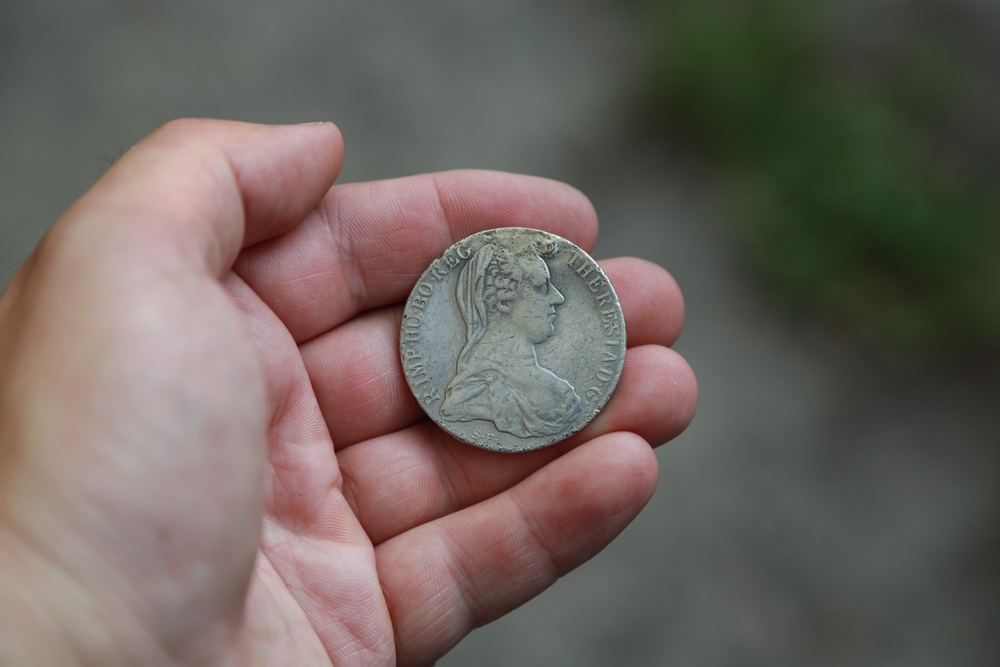
Silver has captivated collectors, investors, and historians for centuries. Its unique combination of beauty, durability, and intrinsic value makes it one of the most sought-after metals in the world. When it comes to silver coins, however, not all coins are created equal. The type of silver used, its purity, and its alloy composition play a critical role in a coin’s value, collectibility, and durability.
At Premier Coin Galleries, we help investors and collectors navigate the diverse world of silver coins. Understanding the different types of silver is essential whether you are building a portfolio, collecting historical coins, or seeking bullion for investment.
Why Silver Purity Matters
The purity of silver in a coin is a key factor that determines its market value and durability. Pure silver, known as Fine Silver (99.9%), is highly prized by investors due to its maximum silver content. However, pure silver is also soft and prone to scratching, bending, or wearing over time. This is why many coins incorporate alloys, which are small amounts of other metals like copper or nickel, to increase durability without significantly reducing the silver content.
For collectors, the purity of silver also influences a coin’s appearance. Slight variations in luster, color, and hardness can result from different alloy compositions, making some coins more visually appealing than others. Additionally, historical standards of silver purity vary by country and era, which can add collectible value to certain coins.
Common Silver Types & Their Fineness
Fine Silver (99.9% or .999)
Fine Silver is the purest form of silver used in modern coins and bullion. With a silver content of 99.9%, Fine Silver coins are highly sought after for investment purposes. Examples include the Canadian Silver Maple Leaf, American Silver Eagle, and Mexican Libertad.
Investors often favor Fine Silver because it provides maximum intrinsic value per ounce of silver. These coins are also highly liquid, meaning they are easy to buy and sell in the precious metals market. Fine Silver coins are typically not used for everyday transactions due to their softness, but they are ideal for secure storage, long-term investments, and gifting.
Sterling Silver (.925)
Sterling Silver contains 92.5% silver and 7.5% other metals, usually copper. The addition of copper strengthens the silver, making it more durable for handling and circulation. Sterling Silver is widely used in jewelry, silverware, and collectible coins.
Collectors appreciate Sterling Silver coins for their combination of beauty and resilience. For example, commemorative coins often use Sterling Silver to ensure the coin maintains its shape and luster over time. Sterling Silver coins are also favored for their slightly warmer color and ability to resist tarnishing better than Fine Silver in certain conditions.
Coin Silver (.900)
Coin Silver, which typically contains 90% silver, has a rich history in the United States. It was used for dimes, quarters, and half-dollars minted before 1964. Coin Silver coins hold both historical and intrinsic value, making them appealing to collectors and investors alike.
Because Coin Silver is more durable than Fine Silver, these coins circulated widely and are often found in circulated condition. Despite their nickname of “junk silver,” pre-1964 U.S. coins retain significant investment potential due to their silver content and collectible appeal. Collectors also enjoy the historical aspect, as these coins represent an era when silver played a central role in the U.S. monetary system.
Britannia Silver (.958 or 95.84%)
Britannia Silver is a British silver standard containing 95.84% silver. It is stronger than Sterling Silver due to its slightly higher silver content and the careful selection of alloys. Coins minted in Britannia Silver include the British Britannia, which is celebrated for its craftsmanship, durability, and attractive finish.
Britannia Silver coins appeal to collectors who value both aesthetics and long-term durability. Their higher silver content compared to Sterling Silver also gives them an edge in investment potential, combining historical prestige with financial value.
90% Silver (Junk Silver)
Many pre-1964 U.S. coins, such as dimes, quarters, and half-dollars, contain 90% silver. These coins are often referred to as “junk silver,” though they hold significant value for investors seeking tangible silver. Junk silver coins are an accessible entry point for new silver investors, allowing them to acquire silver at lower premiums than modern bullion coins.
Because these coins circulated extensively, they often show signs of wear, which can actually appeal to collectors who enjoy coins with historical character. Junk silver is also practical for barter or emergency use, as it has inherent value in silver content regardless of face value.
40% Silver
Between 1965 and 1970, the U.S. Mint issued half-dollars containing 40% silver. These coins, including the Kennedy half-dollar, offer a lower-cost silver option for collectors and investors. While they contain less silver than earlier coins, they remain valuable for their historical significance and metal content.
Collectors often focus on the condition, rarity, and mint mark of these coins. Investing in 40% silver coins allows collectors to diversify their holdings while maintaining exposure to precious metals.
Key Silver Coins by Type
- Fine Silver: Canadian Silver Maple Leaf, American Silver Eagle, Mexican Libertad
- 90% Silver: Pre-1964 U.S. dimes, quarters, halves, Morgan Dollars
- Britannia Silver: British Britannia coins
- Sterling Silver: Commemorative coins and collectible medallions
- 40% Silver: Kennedy half-dollars (1965-1970)
Why Different Types of Silver Exist
Silver coins vary in content and alloy composition for several reasons:
Hardness and Durability
Pure silver is soft and prone to scratches, dents, and wear. By adding metals such as copper, mints increase the strength and durability of coins, making them suitable for handling, storage, and circulation. Collectible coins benefit from alloys because they maintain their shape and aesthetic appeal for decades or centuries.
Appearance and Luster
Alloys can subtly change a coin’s color and shine. Sterling Silver may appear slightly warmer than Fine Silver, while Britannia Silver offers a bright, consistent finish. Coin collectors often prefer specific alloys based on visual appeal and historical authenticity.
Historical Standards
Throughout history, countries established unique standards for silver content in coins. For instance, the Russian Zolotnik system, French silver standards, and British Britannia standard all dictated silver content. These historical differences influence the collectibility and value of coins today.
Investment Considerations
Investors often choose silver coins based on purity, liquidity, and market demand. Fine Silver coins are ideal for maximizing silver content and resale potential. Coins with alloyed silver may offer collectible value or historical significance, sometimes commanding premiums beyond their metal content. Junk silver and 40% silver coins provide accessible ways to invest in silver without paying high premiums for modern bullion coins.
Collecting Tips for Silver Coins
Whether investing or collecting, consider the following tips when acquiring silver coins:
- Check Purity: Always verify the silver content using reliable sources or professional grading services.
- Condition Matters: Coins in better condition typically hold higher collectible and investment value.
- Research Historical Significance: Coins with historical or commemorative importance may have value beyond their metal content.
- Consider Storage: Silver can tarnish over time. Use protective holders, capsules, or safes to maintain quality.
- Diversify Holdings: Consider owning a mix of Fine Silver, Coin Silver, and Britannia Silver coins to balance investment and collectible appeal.
Global Examples of Silver Coins
While U.S. and British coins are well-known, many countries produce silver coins with unique purities and designs:
- Canadian Silver Maple Leaf: 99.99% pure silver bullion coin
- Mexican Libertad: Fine Silver bullion coin with historical significance
- Australian Silver Kangaroo: High-purity silver coin with yearly design changes
- British Britannia: Britannia Silver standard for collectible coins
Conclusion
Understanding the different types of silver used in coins is essential for both collectors and investors. From the purest Fine Silver coins to historically rich Coin Silver and Britannia Silver, each type offers unique benefits, whether for investment, collectible value, or aesthetic appeal. At Premier Coin Galleries, we offer expert guidance and a wide selection of high-quality silver coins to help you build a diversified, valuable collection.
Whether you are a seasoned investor or new to coin collecting, exploring the different types of silver coins will deepen your appreciation of their beauty, history, and investment potential. Start your journey today and discover the world of silver coins with Premier Coin Galleries.
Frequently Asked Questions About Silver Coins
1. What is the difference between Fine Silver and Sterling Silver coins?
Fine Silver coins contain 99.9% silver and are prized for their maximum silver content, making them ideal for investment. Sterling Silver coins contain 92.5% silver and 7.5% other metals, usually copper, which makes them more durable and resistant to scratches. Sterling is often used for collectible or commemorative coins rather than pure bullion.
2. Why do some U.S. coins have 90% silver?
Pre-1964 U.S. dimes, quarters, and half-dollars were made with 90% silver, which was the standard at the time. These coins, often called “junk silver,” are valuable today both for their metal content and their historical significance.
3. What is Britannia Silver?
Britannia Silver is a British silver standard containing 95.84% silver. Coins made with this standard, such as the British Britannia, are slightly stronger than Sterling Silver coins and are popular among collectors and investors for their durability and attractive appearance.
4. Are 40% silver coins worth collecting?
Yes, U.S. half-dollars minted between 1965-1970 contain 40% silver. While they have less silver content than pre-1964 coins, they remain collectible and are a cost-effective way to invest in silver while also owning a piece of history.
5. How do I know the purity of a silver coin?
Check the coin specifications from the mint or a reputable dealer like Premier Coin Galleries. Many coins have markings indicating purity, and professional grading services can verify the silver content for collectors and investors.
6. Can I invest in silver coins as a way to diversify my portfolio?
Absolutely. Silver coins, especially Fine Silver bullion, are widely used for investment. They provide a tangible asset that can hedge against inflation, economic uncertainty, and currency fluctuations. Combining bullion with collectible coins can also offer additional value over time.
7. How should I store silver coins to preserve their value?
Store silver coins in a cool, dry place, ideally in protective holders or capsules. Avoid touching coins with bare hands, as oils can tarnish silver. For long-term investments, consider a safe or secure storage facility to protect against theft or environmental damage.
8. What are the most popular silver coins for collectors and investors?
Popular silver coins include the American Silver Eagle, Canadian Silver Maple Leaf, Mexican Libertad, pre-1964 U.S. dimes, quarters, and half-dollars, and the British Britannia. Each offers a combination of silver content, historical significance, and aesthetic appeal.