Gold $5206.59 (0.28%%)

Silver $88.39 (-0.09%%)

Platinum $2055.52 (-0.56%%)

Palladium $1699.05 (-1.36%%)

 About Premier Coin Galleries

Premier Coin Galleries was founded on the commitment to provide sensible, hard asset alternatives to investors concerned with uncertain economic, political and monetary conditions. We Specialize in legal tender, Government-Issued gold and silver from the U.S. Mint as well as Precious Metals IRAs.

What Makes a Coin Valuable?

what makes a coin valuable

Coins have fascinated collectors and investors for centuries, serving as tangible links to history, culture, and economics. While some coins are valued purely for their metal content, others fetch extraordinary sums due to their rarity, condition, or historical significance. But what exactly determines a coin’s value? In this post, we’ll explore the key factors that make a coin valuable and highlight how Premier Coin Galleries can help you discover, evaluate, and invest in coins that stand the test of time.

Important Factors That Make a Coin Valuable

1. Rarity: The Power of Scarcity

Rarity is one of the most critical factors affecting a coin’s value. Coins with low mintage numbers or those that are difficult to find in circulation tend to be more valuable.

  • Low Mintage Coins:
    Coins like the 1933 Saint-Gaudens Double Eagle or the 1916-D Mercury Dime are examples of coins with limited production, making them highly sought after by collectors.
  • Survival Rate:
    The number of coins still in existence also plays a role. Some coins may have been melted down, lost, or damaged over time, increasing the value of those that remain intact.

At Premier Coin Galleries, we specialize in rare coins and can help you identify those with significant scarcity and investment potential.

2. Historical Significance

Coins that tell a compelling story or are tied to a pivotal moment in history often command higher prices.

  • Examples of Historically Significant Coins:
    • The Flowing Hair Silver Dollar (1794): Believed to be the first silver dollar struck by the U.S. Mint.
    • The Confederate States Half Dollar (1861): A rare piece of Civil War history.
  • Cultural Importance:
    Coins that represent major milestones, like commemorative coins marking national events, also attract interest.

At Premier Coin Galleries, we carry a selection of historically significant coins that offer both educational and financial value.

3. Condition and Grading

The condition of a coin, often referred to as its grade, is another critical factor. Coins in pristine, uncirculated condition are significantly more valuable than those that show signs of wear.

  • Grading Systems:
    Coins are graded on a scale from 1 to 70, with 70 (Mint State) representing perfection. Grading is conducted by professional organizations like PCGS (Professional Coin Grading Service) or NGC (Numismatic Guaranty Corporation).
  • Key Points to Consider:
    • Luster: The original shine of the coin.
    • Strike: The sharpness of the coin’s design.
    • Surface Preservation: Absence of scratches, dents, or other damage.

Our experts at Premier Coin Galleries ensure that every coin we sell is accurately graded and authenticated, providing you with complete confidence in your purchase.

4. Precious Metal Content

Coins made of gold, silver, or platinum derive part of their value from their intrinsic metal content.

  • Bullion Coins:
    Coins like the American Gold Eagle or Canadian Maple Leaf are valued primarily for their metal content, tied to current market prices.
  • Hybrid Value:
    Some coins, such as pre-1933 U.S. gold coins, combine bullion value with numismatic value due to their rarity and historical significance.

Whether you’re interested in bullion or collectible coins, Premier Coin Galleries offers a wide selection of gold and silver coins to suit every investor’s needs.

5. Demand and Market Trends

The popularity of a coin among collectors and investors plays a significant role in its value. Coins that are in high demand, either because of their beauty, rarity, or historical significance, often command premium prices.

  • Collector Trends:
    Series like the Morgan Silver Dollar and the Walking Liberty Half Dollar have a loyal following, consistently driving demand.
  • Market Conditions:
    Fluctuations in the precious metals market can influence the value of bullion-based coins, while numismatic coins are less affected by these changes.

At Premier Coin Galleries, we stay on top of market trends to provide insights into which coins are gaining popularity and why.

Why Choose Premier Coin Galleries?

At Premier Coin Galleries, we have over 30 years of experience helping collectors and investors navigate the world of rare and valuable coins. Here’s what sets us apart:

  1. Expert Guidance:
    Our team of seasoned numismatists provides personalized consultations to help you build a collection or investment portfolio tailored to your goals.
  2. Extensive Inventory:
    From historic rarities to modern bullion coins, we offer a curated selection of high-quality coins for all levels of collectors.
  3. Guaranteed Authenticity:
    Every coin we sell is professionally graded and comes with a guarantee of authenticity.
  4. Educational Resources:
    We believe that informed buyers make better decisions, which is why we’re committed to sharing knowledge about coins and the precious metals market.
  5. Commitment to Service:
    Whether you’re purchasing your first coin or adding to an advanced collection, our team is here to support you every step of the way.

Conclusion

The value of a coin depends on several factors, including rarity, historical significance, condition, metal content, and market demand. Whether you’re a casual collector or a serious investor, understanding these elements can help you make informed decisions and maximize your returns.

At Premier Coin Galleries, we’re passionate about connecting people with coins that not only hold monetary value but also tell a story. Contact us today or visit our website to explore our extensive inventory and discover the coin that’s perfect for you.

Invest with confidence. Trust Premier Coin Galleries to help you unlock the value and potential of rare and collectible coins.

Read our complete  guide on how to start a coin collection

History of American Gold and Silver Coins from Mint to Your Collection

History of American Gold and Silver Coins

American gold and silver coins hold a unique place in both the history of the United States and the world of numismatics. These coins represent more than just monetary value; they capture pivotal moments in our nation’s journey and reflect the artistry and innovation of their time. Let’s delve into the fascinating stories behind some of the most iconic coins that collectors and investors treasure today.

The Early Days: The First U.S. Mint Coins

The U.S. Mint was established in 1792, and the first coins produced were made of precious metals like gold, silver, and copper. These coins, such as the Flowing Hair Dollar and the Draped Bust Half Dollar, were meticulously crafted to establish the credibility of the fledgling nation’s currency.
Collectors today prize these coins for their historical significance, as they offer a glimpse into the earliest days of American coinage.

The Gold Rush and the Double Eagle

The California Gold Rush of 1848 brought an influx of gold, prompting the minting of larger denominations. The $20 Double Eagle, introduced in 1850, became a symbol of wealth and prosperity. Designed by James B. Longacre, its intricate imagery, including Lady Liberty and the eagle, remains a masterpiece of American coin design.
Today, the Double Eagle is one of the most sought-after coins, with the 1933 version fetching record-breaking auction prices.

The Morgan and Peace Dollars: Silver Icons

Silver coins also played a crucial role in U.S. history. The Morgan Dollar, minted from 1878 to 1904 (and briefly in 1921), celebrated the westward expansion and industrial growth of America. Its iconic design by George T. Morgan, featuring Lady Liberty and an eagle, makes it a favorite among collectors.

The Peace Dollar, minted from 1921 to 1935, commemorates the end of World War I. With its serene depiction of Liberty and a perched eagle clutching an olive branch, it embodies hope and renewal.

Commemorative Coins and Modern Rarities

The U.S. Mint has continued to create special gold and silver coins that mark significant events or achievements. From the American Gold Eagle series, introduced in 1986, to the modern Silver Eagles, these coins blend beauty with bullion value, appealing to collectors and investors alike.

Adding Historical Coins to Your Collection

For collectors, owning an American gold or silver coin is like holding a piece of history. Premier Coin Galleries specializes in sourcing rare and historic coins, ensuring authenticity and quality. Whether you’re seeking a Morgan Dollar, a Double Eagle, or a modern collectible, we’re here to help you grow your collection.

Preserving the Legacy

American gold and silver coins are more than just collectibles—they’re tangible connections to our nation’s past. By preserving and cherishing these coins, you’re safeguarding a legacy for future generations.

If you’re ready to explore the fascinating world of historic American coins, contact Premier Coin Galleries today. Let us guide you in discovering timeless treasures that combine history, artistry, and enduring value.

Check out our full guide on coin collecting to enrich your knowledge on coin collection.

The Difference Between a Numismatist and a Coin Collector

what is the difference between a numismatist and a coin collector

The world of coins is as diverse as it is fascinating, drawing enthusiasts from all walks of life. Whether you’re a casual coin collector or a dedicated numismatist, the shared passion for coins forms a unique bond. But what exactly separates a coin collector from a numismatist? While the two terms are often used interchangeably, they refer to distinct approaches and levels of engagement with coins. In this blog post, we’ll explore the differences and overlap between these two roles, helping you understand where you might fall on the spectrum.

Check out our comprehensive guide on coin collecting

What is a Coin Collector?

A coin collector is someone who enjoys gathering coins for personal interest, hobby, or investment purposes.

Characteristics of a Coin Collector:

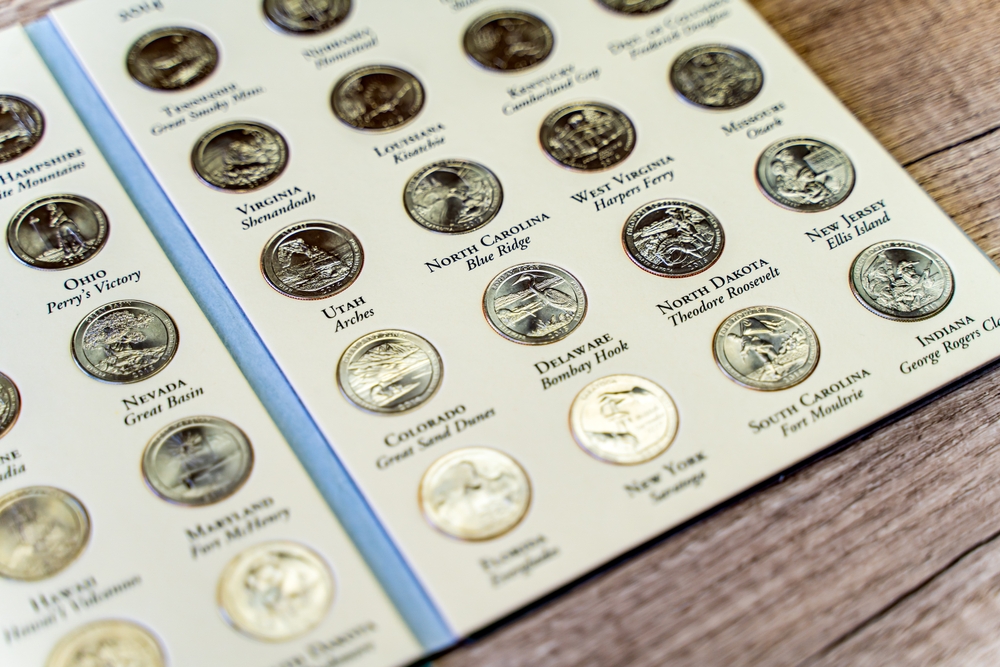
  • Focus on Specific Coins: Many collectors focus on coins that catch their eye, have sentimental value, or fit a particular theme—such as state quarters, commemorative coins, or foreign currency.
  • Casual Approach: Collectors often begin their journey out of curiosity or nostalgia, and their collections may lack a structured goal.
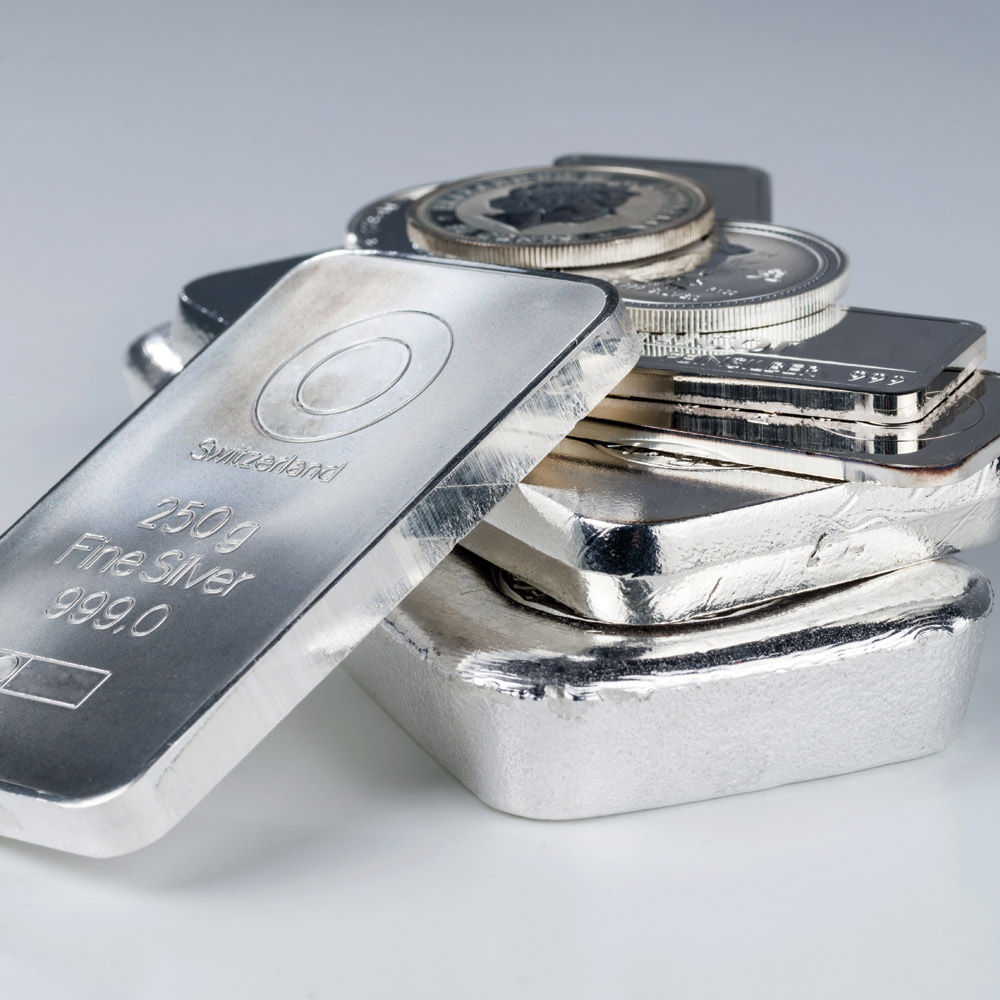
  • Investment Motivation: Some collectors view coins as an investment, focusing on bullion coins like the American Gold Eagle or silver bars for their intrinsic metal value.

Common Goals of Collectors:

  • Building a visually appealing collection.
  • Preserving coins for their historical or monetary value.
  • Exploring a specific type of coin, such as those from a certain era or country.

Differentiation between authentic coins and fake coins is important for coin collectors. Read our full guide on how to authenticate coins.

What is a Numismatist?

A numismatist is someone who studies coins, currency, and other forms of money from an academic or scholarly perspective. While numismatists often collect coins, their primary interest lies in the history, artistry, and cultural significance of monetary items.

Characteristics of a Numismatist:

  • Research-Oriented: Numismatists dig deep into the historical context, production methods, and symbolism of coins.
  • Broad Scope: Their interest extends beyond coins to include banknotes, tokens, and even ancient forms of money like cowrie shells.
  • Structured Collections: Numismatists often build collections with a specific focus, such as a chronological series or coins from a particular mint, and document their findings extensively.

Common Goals of Numismatists:

  • Uncovering the history behind coins and currency.
  • Educating others through their research and findings.
  • Preserving artifacts for their cultural and historical importance.

Key Differences Between Coin Collectors and Numismatists

Aspect Coin Collector Numismatist
Motivation Collects for hobby, interest, or investment. Studies coins for their historical and cultural significance.
Approach Casual, often based on personal preference. Academic and research-focused.
Focus Visual appeal and market value of coins. Historical, artistic, and societal context.
Collection May be unstructured or thematic. Often methodical, with detailed documentation.
Scope Primarily coins. Includes coins, currency, tokens, and more.

Where Do They Overlap?

While their motivations and approaches may differ, numismatists and coin collectors often share:

  • A Passion for Coins: Both groups are deeply engaged with coins, whether as a hobby or a field of study.
  • Appreciation for Rarity and History: Rare and historic coins, such as the Walking Liberty Half Dollar or the 1933 Saint-Gaudens Double Eagle, appeal to both collectors and numismatists.
  • The Desire to Preserve: Both aim to protect coins from damage, ensuring their legacy endures for future generations.

How Premier Coin Galleries Serves Collectors and Numismatists Alike

At Premier Coin Galleries, we cater to both casual collectors and serious numismatists. Whether you’re looking to expand your collection or research the history of a rare coin, we provide:

  • Authentic Rare Coins: Our selection includes historical pieces, bullion, and unique rarities for all interests.
  • Expert Advice: With over 30 years of experience, we offer personalized guidance to help you make informed decisions.
  • Educational Resources: Our team is passionate about sharing knowledge to enhance your appreciation for coins.

Conclusion

While a coin collector focuses on building a personal or valuable collection, a numismatist delves into the stories and history behind those coins. The two roles often overlap, making the world of coins richer and more inclusive. Whether you’re a hobbyist, investor, or historian, coins hold a unique appeal that transcends definitions.

If you’re looking to grow your collection or deepen your understanding of rare coins, contact Premier Coin Galleries today. We’re here to support your journey, no matter where it leads.

Evolution of Precious Metals Investing

For thousands of years, precious metals like gold and silver have been at the core of wealth, trade, and financial security. From ancient civilizations to today’s digital economy, they remain one of the most reliable ways to preserve value. In East Islip and across Long Island, more investors are turning to precious metals investing to diversify their portfolios, hedge against inflation, and protect their retirement savings.

At Premier Coin Galleries, we specialize in helping East Islip residents and investors nationwide make smart decisions about gold, silver, and other metals. This guide explores the full evolution of precious metals investing—where it started, how it has changed, and what it means for modern investors looking to safeguard their future.

What Are the Origins of Precious Metals Investing?

The roots of precious metals investing trace back over 5,000 years. As early as 3000 BCE, the Egyptians mined gold from the Nile River, valuing it not only for jewelry and art but also as a form of currency.

  • Egypt: Gold symbolized eternity and was used in burial masks, temples, and coins.
  • Rome: Silver denarii became the backbone of Roman commerce, facilitating trade across Europe, Africa, and Asia.
  • China: Silver ingots circulated as a standardized medium of exchange, setting the stage for centuries of economic development.

These early uses show that even in their earliest history, gold and silver represented trust, rarity, and long-term value—qualities that still define precious metals investing today.

How Did Precious Metals Shape Ancient Economies?

In ancient times, the scarcity and durability of gold and silver made them ideal for early monetary systems. Unlike perishable goods, these metals held value indefinitely. This stability allowed civilizations to grow wealth, expand trade, and create lasting financial systems.

For example:

  • The Roman Empire relied heavily on silver coins to pay soldiers and fund expansion.
  • India used gold and silver in temple offerings and royal treasuries, reinforcing both economic and cultural importance.
  • Middle Eastern civilizations developed complex trade routes based on gold and silver, spreading commerce across continents.

This integration of precious metals into economies laid the foundation for their continued role in global finance.

Why Did Gold and Silver Symbolize Power in the Middle Ages?

During the Middle Ages, precious metals were not just money—they were symbols of power and authority. Monarchs hoarded gold and silver to display wealth, finance wars, and construct grand cathedrals.

The discovery of the New World in the 15th century brought a massive influx of gold and silver into Europe. Spanish ships carried vast treasures across the Atlantic, further solidifying precious metals as the cornerstone of wealth and influence.

For today’s investors in East Islip, this period highlights how precious metals have always been tied to stability, influence, and legacy wealth.

What Was the Gold Standard and Why Did It Matter?

The 19th century introduced one of the most important milestones in the evolution of precious metals investing: the Gold Standard.

Under this system, currencies were directly tied to a fixed amount of gold. Countries like the United States and the United Kingdom pegged their money to gold reserves, ensuring confidence in the value of paper currency.

Key benefits included:

  • Stability in international trade
  • Predictable exchange rates
  • Trust in government-issued money

Although the Gold Standard was abandoned in the 20th century, it firmly established gold as a global benchmark for value, a role it still plays in precious metals investing today.

How Did Precious Metals Investing Change in the 20th Century?

The 20th century transformed the way people invested in precious metals:

  • Post-Gold Standard Era (1970s): Gold and silver became hedges against inflation, recession, and economic uncertainty.
  • Rise of ETFs and Modern Funds: Investors could buy into precious metals through exchange-traded funds, making it easier to gain exposure without holding physical assets.
  • Cultural Perception: Precious metals became an accessible option for everyday investors seeking protection and diversification.

This shift made precious metals investing a practical tool for individual wealth management, especially during times of economic instability.

What Does Precious Metals Investing Look Like Today?

In the 21st century, precious metals investing continues to evolve. Investors in East Islip and beyond now have more options than ever before:

  • Physical Metals: Bullion, bars, and coins provide tangible ownership and security.
  • Precious Metals IRAs: Retirement accounts backed by gold and silver, offering tax-advantaged diversification.
  • ETFs & Digital Gold: Technology has made it possible to invest in metals digitally, some even backed by blockchain verification.
  • Rare & Collectible Coins: Beyond raw value, rare coins carry historical and collectible significance.

Each of these options has unique benefits, and working with a trusted partner like Premier Coin Galleries in East Islip ensures investors choose the right mix for their financial goals.

Why Is Precious Metals Investing Popular in East Islip?

East Islip residents, like many on Long Island, are looking for ways to protect their savings against rising costs, market volatility, and global uncertainty. Precious metals investing offers several advantages:

  • Inflation Protection: Gold and silver historically rise in value when the dollar weakens.
  • Diversification: Reduces risk by balancing traditional stock and bond portfolios.
  • Wealth Preservation: Metals retain value across generations, making them ideal for estate planning.
  • Local Expertise: With Premier Coin Galleries right here in East Islip, investors can access personalized guidance and high-quality products.

Why Choose Premier Coin Galleries for Precious Metals Investing?

For over 30 years, Premier Coin Galleries has been a trusted name in the precious metals industry. Our East Islip team helps investors nationwide make informed decisions about:

  • Gold and Silver Bullion: Physical investments for secure wealth storage.
  • Precious Metals IRAs: A tax-efficient way to safeguard retirement assets.
  • Rare and Collectible Coins: For investors who appreciate history as well as value.
  • Personalized Investment Strategies: Guidance tailored to individual financial goals.

Our reputation is built on trust, transparency, and long-term client relationships.

The Enduring Appeal of Precious Metals

Despite thousands of years of change, precious metals investing remains one of the most reliable ways to safeguard wealth. Gold and silver have survived wars, recessions, and policy shifts, always maintaining their role as safe-haven assets.

For East Islip residents seeking security and stability, precious metals remain as relevant today as they were in ancient times.

Conclusion: Building a Secure Future with Precious Metals

The evolution of precious metals investing is a story of resilience, adaptability, and long-term value. From the Egyptians to modern East Islip investors, gold and silver have proven themselves as timeless assets.

At Premier Coin Galleries, we’re proud to help our community invest with confidence. Whether you’re interested in bullion, a Precious Metals IRA, or collectible coins, our team is here to guide you every step of the way.

Contact Premier Coin Galleries in East Islip today to learn how you can secure your financial future with precious metals investing.

How to Authenticate and Appraise Rare Coins

How to Authenticate and Appraise a Coin

Collecting rare coins is a rewarding hobby that combines history, artistry, and potential financial gain. However, ensuring the authenticity and accurate appraisal of rare coins is crucial for both novice and experienced collectors. At Premier Coin Galleries, we pride ourselves on being a trusted dealer of rare coins, offering expert advice and services to help you authenticate and appraise your collection. Here are some tips and techniques to ensure the authenticity and value of your rare coins. You can also see our complete guide on how to start a coin collection. 

How to Authenticate Rare Coins

1. Examine the Coin’s Physical Characteristics

Careful examination of a coin’s physical characteristics is the first step in authentication. Look for the following features:

  • Weight and Diameter: Genuine coins have specific weights and diameters. Use a digital scale and caliper to measure these attributes and compare them to official specifications.
  • Edge Design: The edge of a coin, whether reeded, plain, or lettered, can provide important clues about its authenticity. Familiarize yourself with the correct edge design for the coin in question.
  • Design Details: Authentic coins have sharp, well-defined details. Look for crisp lines, clear lettering, and distinct images. Counterfeit coins often have blurry or uneven details.

2. Check for Signs of Wear and Patina

Natural wear and patina are indicators of a coin’s age and authenticity. Genuine coins exhibit wear patterns consistent with their age and usage. Artificial wear or chemically induced patina can be signs of forgery. Compare the wear patterns with reference images of known authentic coins.

3. Use a Magnet

Many counterfeit coins are made from magnetic metals. Genuine coins made of gold, silver, and certain other metals are not magnetic. Use a small magnet to test your coin; if it sticks, it is likely a counterfeit.

4. Conduct a Sound Test

The sound a coin makes when dropped on a hard surface can help determine its authenticity. Genuine coins often produce a distinctive, high-pitched ring, while counterfeits may produce a duller sound. Be cautious when performing this test to avoid damaging the coin.

5. Seek Professional Authentication

For high-value or rare coins, professional authentication is essential. Trusted dealers like Premier Coin Galleries offer authentication services, providing you with expert verification of your coin’s authenticity. Check out our guide on numismatics to understand real rare coins.

How to Appraise Rare Coins

1. Research the Coin’s History

Understanding the historical context of a coin can provide insights into its value. Research the coin’s minting history, mintage numbers, and any historical significance. Coins with lower mintages or significant historical backgrounds are often more valuable.

2. Examine the Coin’s Condition

The condition, or grade, of a coin is a major factor in its value. Coins are graded on a scale from Poor (P-1) to Perfect Mint State (MS-70). Key aspects to consider include:

  • Surface Preservation: Look for signs of scratches, dents, or corrosion.
  • Luster: Assess the coin’s shine or reflectiveness.
  • Strike Quality: Evaluate the sharpness and clarity of the coin’s design.

3. Consult Price Guides and Auction Records

Price guides and auction records provide valuable information on the current market value of rare coins. Consult reputable sources such as the Red Book (A Guide Book of United States Coins) and recent auction results to get an idea of your coin’s value.

4. Compare with Similar Coins

Comparing your coin to similar ones that have been sold recently can help you gauge its value. Look for coins of the same type, date, and condition, and note the prices they have fetched in the market.

5. Get a Professional Appraisal

For an accurate and reliable appraisal, seek the services of a professional appraiser. At Premier Coin Galleries, we offer expert appraisal services to determine the true value of your rare coins. Our experienced team uses a combination of historical data, market trends, and detailed examination to provide you with a precise valuation.

Want to find out valuable coins? Read our full guide on what makes a coin valuable.

Why Choose Premier Coin Galleries?

At Premier Coin Galleries, we have over 30 years of experience in the numismatic industry. We are a nationally recognized, privately owned precious metals company dedicated to providing trusted financial services. Our expertise in authenticating and appraising rare coins ensures that you receive the highest level of service and accuracy.

  • Expert Guidance: Our team of experts offers personalized advice to help you authenticate and appraise your rare coins.
  • Comprehensive Services: From authentication to appraisal, we provide a full range of services to meet your needs.
  • Trusted Reputation: As a reputable dealer, we guarantee the authenticity and value of our coins, giving you peace of mind in your investments.

Conclusion

Authenticating and appraising rare coins is an essential aspect of coin collecting. By following the tips and techniques outlined in this guide, you can ensure the authenticity and value of your collection. At Premier Coin Galleries, we are committed to helping you navigate the world of rare coins with confidence. Contact us today to learn more about our authentication and appraisal services, and how we can assist you in building a valuable and authentic coin collection. 

Want to know about most valuable rare coins? Check out our article on top rare coins to look for.

Diversify Your Investment Portfolio with Silver

Diversify Your Investment Portfolio with Silver

Diversification is a cornerstone of a well-balanced investment strategy. While gold often takes the spotlight, silver plays a critical and complementary role in diversifying an investment portfolio. This versatile metal offers unique benefits that can enhance financial stability and growth. Here’s an in-depth look at the role of silver in diversifying your investment portfolio and why it should be considered a valuable addition.

Check out our complete guide on investing in gold and silver to know more about gold and silver investment.

The Role of Silver in Diversifying Your Investment Portfolio

1. Affordable Entry Point

Silver provides an accessible entry point for investors looking to diversify. It is significantly more affordable than gold, making it easier to purchase in larger quantities. This affordability allows investors to acquire a substantial amount of silver without a massive financial outlay, making it an excellent choice for those new to precious metals or with smaller budgets.

2. Hedge Against Inflation

Like gold, silver is a proven hedge against inflation. During times of rising prices, the value of silver typically increases, helping to protect the purchasing power of your investment portfolio. Silver’s historical performance during inflationary periods makes it a reliable asset to counteract the devaluation of paper currency.

3. Industrial Demand

Silver’s extensive industrial applications add a unique dimension to its investment appeal. It is used in various industries, including electronics, solar energy, medical devices, and water purification. This industrial demand can drive the price of silver, offering growth potential that is less correlated with traditional financial markets.

4. Portfolio Diversification

Diversification is about spreading risk across different asset classes. Silver’s price movements often differ from those of stocks, bonds, and even gold. By adding silver to your portfolio, you can reduce overall risk and enhance stability. Silver tends to perform well during economic uncertainty and market downturns, providing a counterbalance to more volatile assets.

5. Liquidity and Tangibility

Silver is a highly liquid asset, easily bought and sold in global markets. This liquidity ensures you can quickly access funds if needed. Additionally, owning physical silver gives you a tangible asset that can be stored securely, providing a sense of stability and security that digital or paper investments cannot match.

6. Historical Store of Value

For centuries, silver has been valued as a form of money and a store of wealth. Its enduring value and universal recognition make it a trusted asset for preserving wealth over the long term. This historical significance enhances its role as a reliable investment.

7. Complementary to Gold

Silver and gold often move together but at different magnitudes and times. While both metals serve as safe havens, silver’s volatility can sometimes lead to more significant short-term gains. This complementary relationship allows investors to benefit from both metals’ strengths, further diversifying and balancing their portfolios.

8. Potential for Growth

Silver’s dual role as both an industrial and precious metal positions it uniquely for growth. Technological advancements and the green energy movement, particularly the increasing use of silver in solar panels, are expected to drive demand in the coming years. This demand growth can lead to significant price appreciation, offering substantial returns for investors.

Conclusion

Silver plays a vital role in diversifying an investment portfolio. Its affordability, industrial demand, historical value, and complementary relationship with gold make it a valuable asset for mitigating risk and enhancing stability. Whether you are a seasoned investor or just beginning to build your portfolio, silver offers a range of benefits that can help secure and grow your wealth.

At Premier Coin Galleries, we understand the importance of diversification and the unique advantages of investing in silver. Our specialists can help you navigate the market, select the right silver products, and incorporate them into your investment strategy. Contact us today to learn more about how silver can enhance your portfolio and contribute to a secure financial future.


How to Start a Coin Collection

Coin Collecting

Collecting coins is more than just a hobby—it’s a way to connect with history, appreciate fine craftsmanship, and potentially build wealth. Whether you’re an experienced collector or just getting started, learning how and where to collect coins is essential to building a meaningful and valuable collection.
This guide covers the basics and beyond: how to pick a focus, evaluate coins, set a budget, collect coins safely, store your collection, and avoid common mistakes—plus why partnering with a trusted dealer can make all the difference.

Why Do People Collect Coins?

Coin collecting is more than simply gathering pieces of metal. Every coin tells a story. Some represent milestones in history, others symbolize cultural achievements, and many hold both sentimental and financial value. Collectors often find joy in researching the origins of their coins, learning about the time periods in which they were minted, and uncovering the artistry behind their designs. Here are some of the main reasons people collect coins:

  • Historical Significance: Each coin tells a story about its era, economy, and culture.
  • Aesthetic Appeal: Many rare coins feature beautiful, collectible designs.
  • Investment Potential: The right purchases can appreciate over time.
  • Personal Passion: The thrill of discovery and preservation is unmatched.

No matter your motivation, the key is learning how to collect coins wisely so your collection grows in value and meaning.

How to Begin a Coin Collection: Step-by-Step Guide

1) Start with a Focus

The rare coin world is vast, so a clear focus prevents overwhelm and sharpens your search when you collect coins. Consider building your collection by:

  • Era: Ancient Roman, Medieval, Colonial American, 19th-century U.S., etc.
  • Metal: Gold coins, silver dollars, platinum, or mixed precious metals.
  • Theme: Historical figures, animals, landmarks, or key events.
  • Country/Region: U.S. issues, British sovereigns, world crowns, or a targeted region.

With a defined focus, research becomes easier, your budget stretches further, and you’ll avoid impulse buys that don’t fit your goals.

2) Educate Yourself

Knowledge is your edge. Before you collect coins, learn how to assess quality, authenticity, and fair pricing.

  • Grading: Understand the Sheldon scale and rely on respected third-party graders such as NGC and PCGS.
  • Mint Marks: Small letters indicating where a coin was produced; some mints are scarcer and boost value.
  • Historical Context: Mintage numbers, survival rates, and notable varieties matter.

Use a mix of books, price guides, auction archives, reputable dealer listings, and collector forums. The more you know, the more confidently you can evaluate opportunities to collect coins.

3) Set a Budget

It’s easy to overspend when a beautiful coin catches your eye. Define a monthly or annual budget and stick to it. Start modestly; many blue-chip collections began with lower-cost buys that were later traded up. A budget keeps you disciplined and strategic as you collect coins over time.

4) Collect from Reputable Dealers

Work only with trustworthy sources when you collect coins. Reputable dealers provide:

  • Certification: Coins authenticated and graded by NGC or PCGS.
  • Transparent Pricing: Clear descriptions, visible grades, and market-aligned prices.
  • Expert Guidance: Help aligning purchases with your goals and budget.

Check professional affiliations (e.g., ANA membership), read reviews, and beware of “too good to be true” pricing.

5) Know Where to Collect Rare Coins

Broaden your sourcing to find the best quality and value:

  • Local Coin Shops: Build relationships and handle coins in person.
  • Coin Shows & Conventions: Compare inventory and pricing across many dealers in one place.
  • Established Online Dealers: Convenient access to curated, certified coins and detailed images.
  • Auctions: In-person or online; research fees and comps beforehand.
  • Private Sales: Possible value but require extra diligence and authentication.

Wherever you collect, insist on certification, clear photos, and return policies.

6) Store Your Collection Properly

Preservation protects value after you collect coins:

  • Choose acid-free holders, flips, capsules, or albums.
  • Keep coins in a cool, dry, dark place to limit toning and corrosion.
  • Handle by the edges with cotton or nitrile gloves.
  • Secure high-value pieces in a safe or bank deposit box; consider insurance.

Check out our dedicated guide on how to store coins and precious metals.

7) Network with Other Collectors

Community accelerates learning and helps you source better coins:

  • Join coin clubs and online forums.
  • Attend shows to meet dealers and fellow collectors.
  • Follow reputable numismatic experts and auction houses.

Networking often surfaces opportunities to collect coins before they’re widely advertised.

8) Be Patient and Strategic

Great collections are built over years. Patience helps you avoid overpaying, chase fewer trends, and wait for the right examples in the right grades.

Expert Tips On Collecting Coins

  1. Verify Certification: Favor NGC or PCGS slabs. Check cert numbers against official databases.
  2. Study Market Data: Consult price guides and auction archives for fair value.
  3. Buy the Best You Can Afford: Higher-grade coins often have stronger long-term performance.
  4. Diversify: Balance by era, denomination, and metal to spread risk.
  5. Document Everything: Keep receipts, images, provenance notes, and grading certs.
  6. Learn Eye Appeal: Attractive toning, sharp strikes, and clean surfaces can command premiums.
  7. Mind Liquidity: Popular series with strong demand are easier to sell later.
  8. Watch for Varieties: Key dates and recognized varieties can amplify value.

These habits help you collect rare coins that hold or grow in value—rather than merely expanding your holdings.

Common Mistakes to Avoid

  • Skipping Research: Leads to overpaying or buying problem coins.
  • Buying from Unknown Sellers: Increases counterfeit and undisclosed defect risk.
  • Neglecting Storage: Improper handling can permanently reduce value.
  • Chasing Fads: Short-term hype doesn’t always translate to long-term demand.
  • Ignoring Return Policies: Always understand terms before you buy rare coins online.

How to Evaluate a Coin Before You Collect

Use a consistent process whenever you collect coins—in person or online:

  1. Confirm Authenticity: Prefer certified coins; for raw coins, consult an expert before purchasing.
  2. Check Surfaces: Look for hairlines, cleaning, scratches, spots, and rim dings.
  3. Assess Strike & Luster: Strong strikes and original luster typically command premiums.
  4. Review Eye Appeal: Balanced toning and attractive presentation can increase desirability.
  5. Compare Prices: Cross-check with guides and recent sales of similar grades.
  6. Factor Fees: Include buyer’s premium, shipping, taxes, and grading costs in your total.

See our special guide on how to authenticate rare coins

Building a Coin Strategy

A simple framework to guide your purchases:

  • Define Your Goal: Historical collection, investment focus, or a balanced approach.
  • Choose Series & Targets: Identify dates, mints, and grades that fit your budget.
  • Plan Upgrades: Buy a solid example now, then trade up as opportunities arise.
  • Review Quarterly: Adjust for market changes, new research, or evolving interests.

Where to Collect Coins Online vs. In Person

Both methods work—use whichever best supports your goals and confidence level.

  • Online Advantages: Larger inventories, convenient comparisons, detailed images, and certification checks.
  • In-Person Advantages: Inspect luster and surfaces directly, negotiate more fluidly, and build dealer relationships.

Many collectors blend both approaches: research and shortlist online, then confirm and purchase through a trusted dealer.

Why Choose Premier Coin Galleries

Choosing the right partner matters as much as choosing the right coin. Premier Coin Galleries offers:

  • Authenticity & Certification: Investment-grade coins authenticated by leading grading services.
  • Transparent Pricing: Market-aligned prices with clear descriptions and images.
  • Expert Guidance: Personalized help to match coins to your collecting or investment plan.
  • Diverse Inventory: From ancient and world issues to classic U.S. rarities and modern keys.

Whether you’re starting out or upgrading to higher-grade pieces, a reputable dealer makes buying safer, simpler, and more rewarding.

Conclusion

Collecting coins blends history, art, and investment into one compelling pursuit. To succeed, learn how to collect rare coins wisely: set a focus, study grading and authenticity, build a budget, work with reputable dealers, and store your coins properly. With patience and a clear strategy, your collection can become both personally meaningful and financially resilient. When you’re ready to start a coin collection with confidence, explore expertly curated, certified selections from a trusted dealer to make every purchase count.

Want to know most valuable rare coins to collect? Check out top rare coins to look for

FAQs on Coin Collecting

Is it safe to buy coins online?

Yes—provided you use established dealers, insist on certification, and review return policies. Look for clear photos, verified cert numbers, and detailed descriptions.

What is the best way to start on a budget?

Pick a focused series and target attractive, certified examples in mid grades. As knowledge and capital grow, trade up strategically.

Are graded coins always better?

Certification reduces risk and simplifies resale, especially for beginners. Many advanced collectors also prefer slabbed coins for liquidity and consistency.

How do I know if a price is fair?

Cross-reference price guides and recent auction results for the same date, mint, and grade. Include fees, shipping, and taxes in your total cost.

American Buffalo Gold Coin vs. American Eagle: Which is the Best Investment for You?

american gold eagle vs american gold buffalo

When it comes to investing in gold coins, two prominent options often come to mind: the American Gold Eagle and the American Buffalo. Both coins are highly regarded and backed by the U.S. government, but they have distinct differences that may make one a better choice for your investment strategy. At Premier Coin Galleries, we aim to provide you with all the information you need to make an informed decision. In this blog post, we’ll compare these two iconic gold coins to help you decide which is the best fit for your portfolio. 

The American Gold Eagle

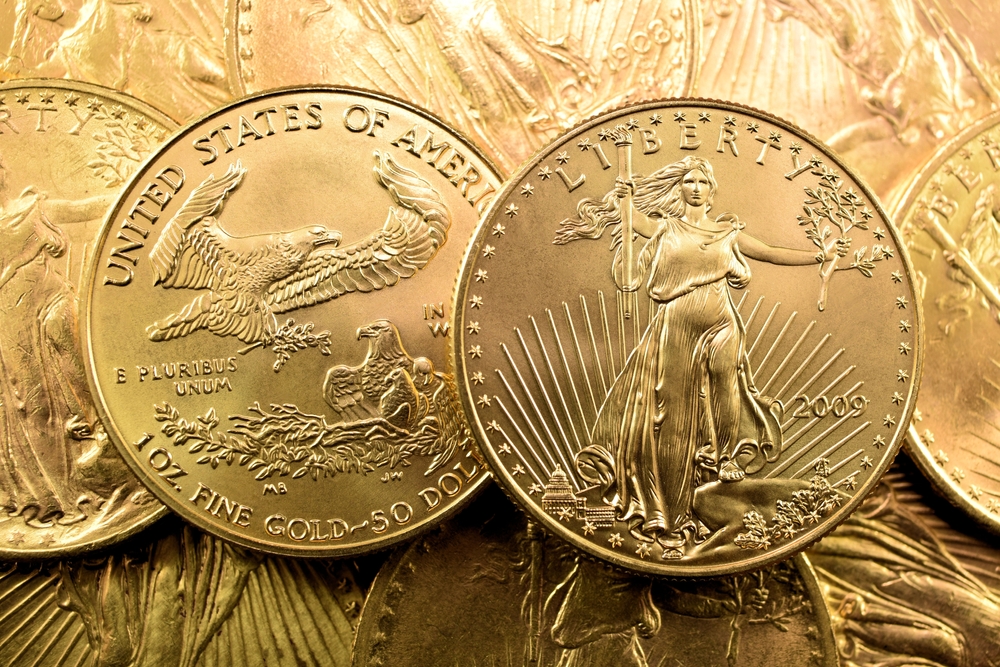
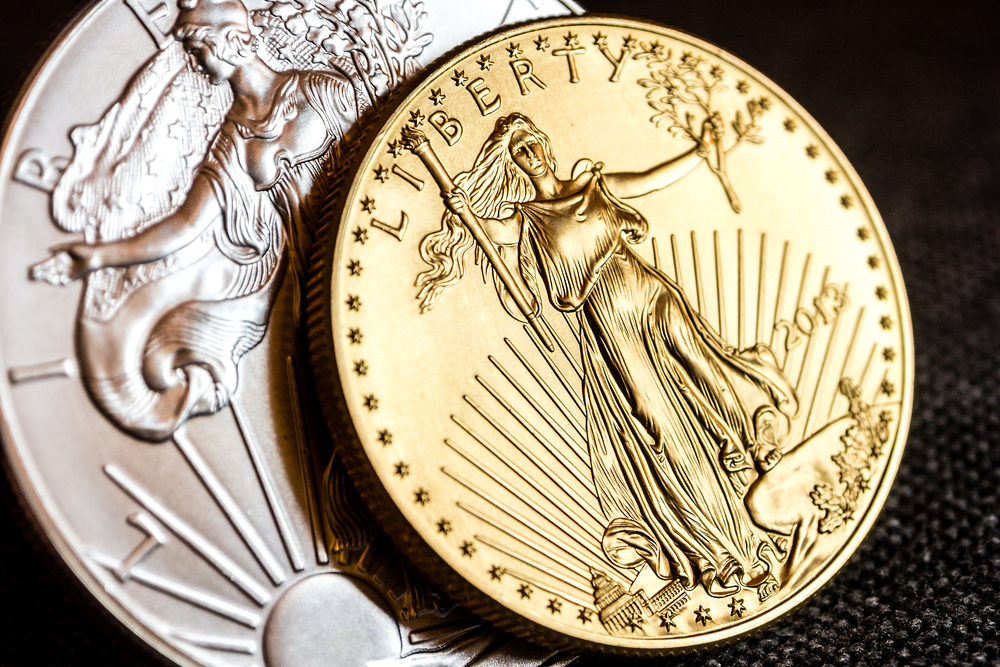
History and Design: Introduced in 1986, the American Gold Eagle is the official gold bullion coin of the United States. The obverse side features Augustus Saint-Gaudens’ classic depiction of Lady Liberty, holding a torch in her right hand and an olive branch in her left, with the U.S. Capitol building in the background. The reverse side, designed by Miley Busiek, shows a family of bald eagles, symbolizing family strength and security.

Composition: The American Gold Eagle is struck from 22-karat gold, with the remaining alloy made up of silver and copper. This composition makes the coin more durable and resistant to scratches and wear.

Investment Benefits of the American Gold Eagle Coin

  • Government Guarantee: The U.S. government guarantees the weight, content, and purity of each American Gold Eagle, ensuring you receive a high-quality product.
  • Liquidity: Widely recognized and accepted, American Gold Eagles are highly liquid and easily tradable.
  • IRA Eligibility: These coins are eligible for inclusion in Individual Retirement Accounts (IRAs), offering potential tax advantages.

The American Gold Buffalo

History and Design: First released in 2006, the American Buffalo is the first 24-karat gold coin produced by the U.S. Mint for public distribution. The obverse side features the iconic profile of a Native American, designed by James Earle Fraser, originally seen on the Buffalo Nickel. The reverse side displays a majestic American bison, a symbol of the American frontier.

Composition: The American Buffalo is struck from 99.99% pure gold (24-karat), making it one of the purest gold coins available on the market. This purity appeals to investors seeking a high gold content in their coins.

Investment Benefits of the American Gold Buffalo

  • Purity: The American Buffalo’s 24-karat gold composition makes it an attractive option for those who prioritize gold purity in their investments.
  • Collectibility: The design and limited mintages add a level of collectibility to the American Buffalo, potentially increasing its value over time.
  • Government Guarantee: Like the American Gold Eagle, the American Buffalo is also backed by the U.S. government for its weight, content, and purity.

Comparison Between American Gold Eagle and American Gold Buffalo

Durability: Due to its 22-karat composition, the American Gold Eagle is more durable and resistant to wear and tear than the 24-karat American Buffalo. If you plan to handle your coins frequently, the Gold Eagle may be the better choice.

Purity: For investors who prioritize purity, the American Buffalo’s 99.99% gold content is unparalleled. This higher purity level can be particularly appealing to those looking to maximize their gold holdings.

Design and Aesthetic Appeal: Both coins feature iconic American imagery, but their designs appeal to different tastes. The classical beauty of the American Gold Eagle’s Lady Liberty and the symbolic bald eagles contrast with the American Buffalo’s homage to the American West with its Native American profile and bison.

Price and Availability: While both coins are widely available, their prices can differ slightly due to their gold content and market demand. The American Buffalo may command a slight premium over the Gold Eagle because of its higher purity.

Conclusion

Choosing between the American Gold Eagle and the American Buffalo depends on your investment goals and personal preferences. If durability and a classic design are important to you, the American Gold Eagle is an excellent choice. On the other hand, if you prioritize gold purity and a unique design that pays tribute to America’s heritage, the American Buffalo is the way to go.

At Premier Coin Galleries, we are here to help you navigate your precious metal investments. Contact us today to learn more about these iconic gold coins and to find the best investment options for your portfolio. Investing in gold is a powerful way to secure your financial future, and with our expertise, you can make informed decisions that align with your goals.

Secure your wealth. Embrace American history. Invest with Premier Coin Galleries.

Check out top rare coins to know about most sought-after coins.

Historic Gold Coins: Investment and Collectible Value

investing in gold and silver

Investing in historic gold coins combines the allure of tangible wealth with the fascination of owning a piece of history. These coins are not only valuable due to their gold content but also because of their historical significance and rarity. In this post, we’ll spotlight some of the most sought-after historic gold coins, exploring their backgrounds, investment potential, and what makes them prized by collectors. If you are interested in investing, check out our guide on investing in gold and silver. To get started collecting coins, read our complete guide on how to start a coin collection.

Historic Gold Coins and the Value They Offer to Investors and Collectors

1. Saint-Gaudens Double Eagle (1907-1933)

  • Historical Significance: Designed by renowned sculptor Augustus Saint-Gaudens, this $20 gold coin is considered one of the most beautiful American coins ever minted. It represents a high point in U.S. coin design.
  • Investment Potential: With limited mintage and a rich history, these coins often fetch high prices at auction. Their value is likely to appreciate over time, especially in higher grades.
  • Collector’s Appeal: The artistry and limited availability make Saint-Gaudens Double Eagles a must-have for serious collectors.

2. British Sovereign (1817-Present)

  • Historical Significance: The British Sovereign has been minted since 1817 and features the reigning monarch on one side and St. George slaying a dragon on the reverse. It played a significant role in international trade and finance.
  • Investment Potential: British Sovereigns are recognized globally and are highly liquid. They offer a stable investment due to their historical consistency and gold content.
  • Collector’s Appeal: The coin’s long history, royal connections, and elegant design make it highly desirable.

3. Kangaroo Nugget (1986-Present)

  • Historical Significance: The Australian Kangaroo Nugget, initially called the Gold Nugget, features changing designs of kangaroos, making each year’s issue unique. It celebrates Australia’s gold mining heritage.
  • Investment Potential: These coins are minted in high purity (99.99% gold) and are popular among both investors and collectors. Limited edition designs can increase in value.
  • Collector’s Appeal: The annual design changes and high gold purity make these coins attractive to collectors worldwide.

4. Swiss Franc Vreneli (1897-1949)

  • Historical Significance: The Swiss Franc Vreneli, also known as the Helvetia, features a portrait of a young woman representing the Swiss Confederation. It embodies Swiss stability and craftsmanship.
  • Investment Potential: These coins are highly regarded for their gold content and historical significance. Their value tends to be stable, reflecting Switzerland’s economic stability.
  • Collector’s Appeal: The intricate design and limited mintage periods make Vreneli coins prized by collectors.

5. Ducat (Austria-Hungary, 1612-1915)

  • Historical Significance: The Ducat, minted under various rulers, showcases the rich history of the Austro-Hungarian Empire. It features intricate designs and high gold content.
  • Investment Potential: Due to their historical significance and gold purity, Ducats are a solid investment. They often trade at premiums above their melt value.
  • Collector’s Appeal: The detailed craftsmanship and historical context enhance their desirability among collectors.

6. French Rooster (1899-1914)

  • Historical Significance: The French Rooster, or “Le Coq,” features the Gallic Rooster, a symbol of France. These coins were minted during the Third Republic and symbolize French heritage.
  • Investment Potential: With their historical background and gold content, French Roosters are a stable investment. Their limited mintage period adds to their value.
  • Collector’s Appeal: The patriotic design and historical significance make these coins attractive to collectors and investors alike.

7. Indian Head Eagle (1907-1933)

  • Historical Significance: Designed by Augustus Saint-Gaudens, the Indian Head Eagle features Lady Liberty in a Native American headdress. It represents an era of American artistic renaissance.
  • Investment Potential: Due to their artistic design and historical context, these coins often command high premiums. They are a smart investment for those looking to diversify their portfolios.
  • Collector’s Appeal: The unique design and historical period make Indian Head Eagles highly sought-after.

8. Gold Panda (1982-Present)

  • Historical Significance: The Chinese Gold Panda features annually changing designs of pandas, symbolizing China’s cultural heritage. It was among the first bullion coins from China.
  • Investment Potential: The Gold Panda’s limited mintage and changing designs enhance its investment appeal. They are known for their high purity (99.99% gold).
  • Collector’s Appeal: The appeal of annually changing designs and the coin’s purity make Gold Pandas favorites among collectors.

Conclusion

Historic gold coins offer a unique combination of investment potential and collectible value. Their historical significance, artistic beauty, and intrinsic value make them highly sought after by collectors and investors alike. Whether you’re new to coin collecting or a seasoned numismatist, adding historic gold coins to your portfolio can provide both financial stability and the joy of owning a piece of history.

At Premier Coin Galleries, we specialize in rare and historic gold coins, offering expert advice to help you build a valuable and rewarding collection. Contact us today to explore our selection and find the perfect addition to your collection.

Want to know about other collectible coins? check out top rare coins to look for

Gold ETF vs. Physical Gold: Smart Investing Guide

Gold ETF vs. Physical Gold: Smart Buying Guide

Investing in gold and silver has long served as a reliable way to preserve wealth, hedge against inflation, and diversify an investment portfolio. For centuries, gold has played a central role in global economies, functioning as both a form of currency and a trusted store of value. Even in today’s digital financial landscape, investors continue to rely on gold as a cornerstone asset during periods of economic uncertainty.

When investors consider gold investments, they face an important decision: should they buy physical gold or invest in Gold Exchange-Traded Funds (ETFs)? Although both options provide exposure to gold prices, they differ significantly in ownership, control, costs, privacy, and long-term value. Understanding these differences helps investors make informed decisions that align with their financial goals.

Below, we compare physical gold and Gold ETFs in detail, highlighting the advantages, trade-offs, and ideal use cases for each investment type.

Gold ETF vs. Physical Gold: Advantages and Key Differences

1. Tangibility and Security

Physical Gold:

  • Tangible Asset: One of the most compelling advantages of physical gold is its tangibility. When you own gold bars or coins, you possess a real, physical asset that exists outside of the financial system. This tangible nature provides a sense of security that paper or digital assets cannot replicate.
  • Intrinsic Value: Physical gold has intrinsic value—it is valuable in and of itself due to its scarcity, durability, and universal recognition. Unlike stocks or bonds, gold does not rely on corporate earnings, government backing, or institutional credibility.
  • Security Against Cyber Threats: In an age of increasing cybercrime, physical gold offers protection from hacking, system outages, and digital fraud. Your investment cannot be erased by a technical failure or compromised by a cyberattack.

Gold ETFs:

  • Convenient and Liquid: Gold ETFs trade on major stock exchanges, making them easy to buy and sell through brokerage accounts. This high liquidity appeals to investors who want quick access to their capital.
  • No Storage Concerns: Because ETFs do not involve physical possession, investors do not need to worry about storage, insurance, or transportation—making them a hands-off option.

2. Ownership and Control

Physical Gold:

  • Full Ownership: When you buy physical gold, you own it outright. There is no counterparty risk, meaning no bank, fund manager, or third party is required to honor your claim. Your ownership is direct and absolute.
  • No Intermediaries: Physical gold transactions are straightforward and do not rely on brokers or financial institutions once the purchase is complete. This independence is especially attractive during periods of financial instability.

Gold ETFs:

  • Partial Ownership: Gold ETF investors own shares in a fund that tracks the price of gold, not the gold itself. In most cases, shareholders cannot take delivery of the underlying metal.
  • Dependent on Fund Management: ETFs rely on custodians, trustees, and fund managers. This introduces counterparty and operational risk, especially during extreme market conditions.

3. Market and Price Considerations

Physical Gold:

  • Stable Value: Physical gold has historically maintained its purchasing power over time and often performs well during economic downturns, inflationary periods, and geopolitical uncertainty.
  • Premiums and Costs: Physical gold typically carries a premium above the spot price to cover minting, distribution, and dealer costs. Investors may also incur storage and insurance expenses, depending on how they safeguard their holdings.

Gold ETFs:

  • Market Exposure: ETFs provide efficient exposure to gold prices without requiring physical handling, making them appealing for tactical or short-term strategies.
  • Lower Entry Costs: ETFs usually track spot prices closely and have lower upfront premiums than physical gold, though ongoing management fees can erode returns over time.

4. Privacy and Anonymity

Physical Gold:

  • Private Investment: Physical gold purchases can often be conducted discreetly, offering a level of privacy not available with traditional financial assets.
  • Reduced Reporting: Depending on the transaction size and jurisdiction, physical gold may involve fewer reporting requirements than securities traded on public exchanges.

Gold ETFs:

  • Publicly Traded: ETF transactions are recorded through brokerage accounts and subject to regulatory oversight, reducing anonymity.
  • Tax Documentation: Investors receive tax forms and transaction records, which may be a consideration for those prioritizing privacy.

5. Long-Term vs. Short-Term Investment Strategy

Physical Gold:

  • Long-Term Stability: Physical gold is well-suited for long-term investors seeking wealth preservation rather than rapid gains. It is less affected by daily market noise and trading sentiment.
  • Legacy and Estate Planning: Gold coins and bars can be passed down through generations, making them a powerful tool for estate planning and intergenerational wealth transfer.

Gold ETFs:

  • Short-Term Flexibility: ETFs are ideal for investors who want to trade gold price movements, rebalance portfolios frequently, or capitalize on short-term market opportunities.
  • Market Sensitivity: ETF prices can be influenced by investor sentiment, trading volume, and broader market conditions, making them more volatile in certain scenarios.

Conclusion

Both physical gold and Gold ETFs offer meaningful benefits, but each serves a different investment objective. Physical gold gives investors tangible ownership, intrinsic value, enhanced privacy, and long-term stability, making it an ideal option for those focused on wealth preservation and financial independence. Gold ETFs, on the other hand, deliver convenience, strong liquidity, and easy market access, appealing to investors who want flexibility and short-term exposure to gold prices.

At Premier Coin Galleries, we guide investors through these choices and help them select the strategy that aligns with their financial goals. Whether you want to purchase physical gold for long-term security or need help balancing gold within a broader portfolio, our experienced team is ready to assist. Contact Premier Coin Galleries today to discover how gold can strengthen and diversify your investment strategy.

Frequently Asked Questions About Physical Gold vs. Gold ETFs

Is it better to invest in physical gold or Gold ETFs?

Both physical gold and Gold ETFs can be smart investments, but the better choice depends on your financial goals. Physical gold is ideal for long-term wealth preservation, privacy, and direct ownership. Gold ETFs, on the other hand, offer convenience, liquidity, and ease of trading, making them more suitable for short-term or active investors. Many investors choose to hold both to balance stability and flexibility.

Can I take physical delivery of gold from a Gold ETF?

In most cases, individual investors cannot take physical delivery of gold from a Gold ETF. ETFs represent shares in a fund that tracks the price of gold rather than direct ownership of the metal itself. Physical delivery, if available at all, is usually limited to large institutional investors and subject to strict minimum requirements.

Does physical gold perform better than Gold ETFs during economic uncertainty?

During periods of economic uncertainty, inflation, or market volatility, physical gold often performs well as a store of value. Because it is not tied to financial institutions or electronic systems, many investors view physical gold as a safer hedge during crises. Gold ETFs generally track the price of gold but remain connected to financial markets and trading activity.

Are there ongoing fees when owning physical gold?

Physical gold does not have management or performance fees like Gold ETFs. However, investors may incur one-time premiums at purchase and optional costs such as secure storage or insurance. These expenses are typically predictable and can be minimized depending on how and where the gold is stored.

Do Gold ETFs have fees or hidden costs?

Yes, Gold ETFs typically charge annual expense ratios or management fees, which are automatically deducted and can slightly reduce returns over time. While these fees are often low, they accumulate over long holding periods and should be considered when comparing ETFs to physical gold.

Is physical gold a good investment for retirement planning?

Physical gold can play an important role in retirement planning by helping preserve purchasing power and diversify assets. Many investors include physical gold as part of a long-term strategy to hedge against inflation, currency devaluation, and market downturns. Some also choose to hold gold within self-directed retirement accounts where permitted.

How liquid is physical gold compared to Gold ETFs?

Gold ETFs are highly liquid and can be bought or sold instantly during market hours. Physical gold is also very liquid, as gold coins and bars are widely recognized and easily sold through reputable dealers. While selling physical gold may take slightly longer than an ETF trade, it remains one of the most liquid physical assets in the world.

Is buying physical gold private?

Purchasing physical gold can offer a higher level of privacy compared to Gold ETFs, which are traded through brokerage accounts and subject to financial reporting. Depending on the transaction size and jurisdiction, physical gold purchases may involve fewer reporting requirements, making it attractive to investors who value discretion.

Should I invest in both physical gold and Gold ETFs?

Many investors choose to invest in both physical gold and Gold ETFs to diversify their exposure. Physical gold provides long-term security and independence from the financial system, while Gold ETFs offer flexibility and ease of trading. Combining both can create a balanced approach to gold investing.

How can Premier Coin Galleries help me invest in gold?

At Premier Coin Galleries, we specialize in helping investors navigate physical gold investments with confidence. Our experienced team can guide you through selecting high-quality gold coins or bars, understanding market conditions, and building a diversified precious metals strategy that aligns with your financial goals.