Gold $5218.92 (0.52%%)

Silver $88.85 (0.42%%)

Platinum $2055.52 (-0.56%%)

Palladium $1699.05 (-1.36%%)

 About Premier Coin Galleries

Premier Coin Galleries was founded on the commitment to provide sensible, hard asset alternatives to investors concerned with uncertain economic, political and monetary conditions. We Specialize in legal tender, Government-Issued gold and silver from the U.S. Mint as well as Precious Metals IRAs.

The 1964 Kennedy Half Dollar

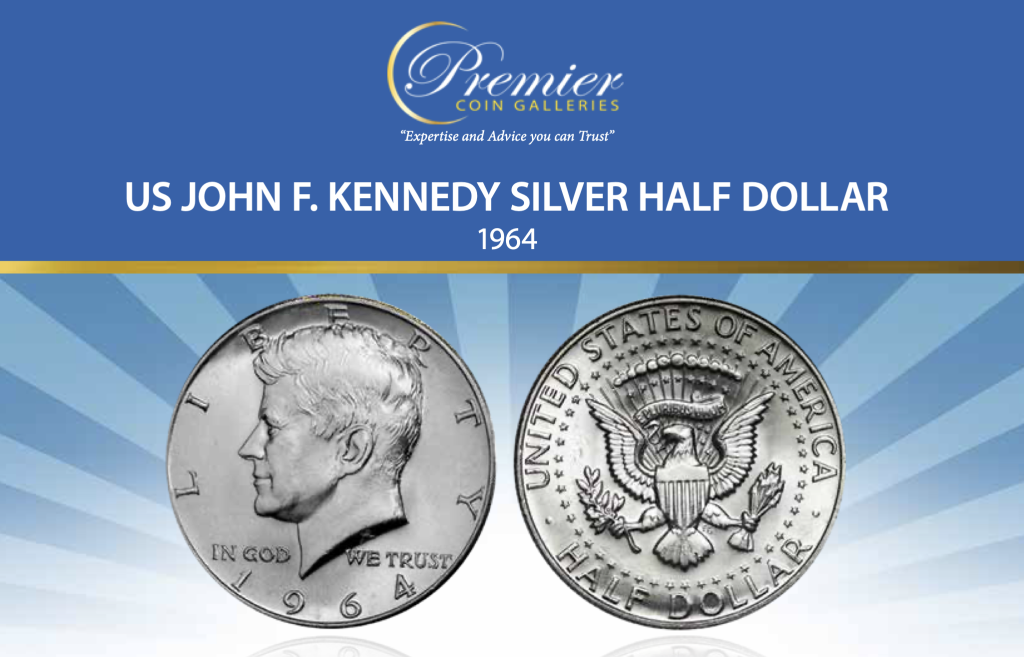
JFK silver half dollar coin

If you’re looking to collect silver coins, few pieces capture American history, artistry, and investment potential like the 1964 Kennedy Half Dollar. Premier Coin Galleries specializes in rare coins and precious metals, providing collectors and investors with authentic, high-quality coins. This iconic coin, steeped in history, remains a favorite among enthusiasts for both its silver content and cultural significance.

The History of the Kennedy Half Dollar

The story of the Kennedy Half Dollar begins in the tragic closing days of November 1963. After President John F. Kennedy’s assassination, the U.S. Treasury decided to honor the late president with a commemorative coin. Chief Engraver Gilroy Roberts was informed by Mint Director Eva Adams that a silver coin would bear Kennedy’s likeness. The decision to use the design from the Kennedy Inaugural Medal was both practical and symbolic.

The original medal models allowed engravers to reduce the design first to a 5-inch diameter, then to coin size. However, the relief had to be carefully lowered to allow for mass production, a task both challenging and urgent. By December 13, 1963, the first trial dies were completed, and sample coins were created for approval. Treasury Secretary Dillon sought the family’s approval, consulting with Jacqueline Kennedy and Attorney General Robert Kennedy. Mrs. Kennedy suggested subtle changes to de-emphasize a detail in JFK’s hair, which were quickly implemented. Once the family approved, proof dies were delivered on January 2, 1964, and production of nearly four million proof coins began.

The public first received business strike Kennedy Half Dollars on March 5, 1964. The initial 26 million coins were eagerly purchased by collectors, investors, and speculators. Today, the 1964 Kennedy Half Dollar coin is celebrated not only for its history but also for its 90% silver content, making it an essential addition to any silver coin collection.

Specifications of the 1964 JFK Silver Half Dollar

  • Diameter: 30.6 mm
  • Weight: 192.9 grains (12.5 grams)
  • Composition: 90% silver, 10% copper
  • Designer: Gilroy Roberts (obverse), Frank Gasparro (reverse)
  • Engraver: Charles E. Barber
  • Mint Marks: Philadelphia (none), Denver (D), San Francisco (S)
  • Obverse: Forceful bust of Kennedy facing left, with LIBERTY above and IN GOD WE TRUST to the left and right of the truncation. Date below.
  • Reverse: Presidential seal with UNITED STATES OF AMERICA above and HALF DOLLAR below.
  • Edge: Reeded

Why Collect the 1964 Kennedy Half Dollar?

Historical Significance of JFK Silver Half Dollar

The 1964 Kennedy Half Dollar represents a pivotal moment in American history. Struck shortly after the assassination of JFK, the coin serves as both a tribute to a beloved president and a tangible piece of 20th-century history. Owning this coin allows collectors to connect with a historical narrative while holding a tangible, silver-backed artifact.

Silver Investment Value of Kennedy Half Dollar

For investors, the 1964 Kennedy Half Dollar is attractive due to its 90% silver composition. Unlike later half dollars, which contained only 40% silver or were made entirely of base metals, the 1964 coin provides a significant amount of precious metal. As silver prices rise, owning these coins can serve as a hedge against inflation and a long-term investment strategy. Premier Coin Galleries in Long Island offers these coins for both purchase and investment purposes, making it easy to start or expand a silver collection.

Collector Demand of Kennedy Half Dollar Coins

Collectors value the Kennedy Half Dollar not only for its silver content but also for its limited availability and historical context. Proof coins, special mint marks, and uncirculated coins are particularly sought-after. With millions of coins minted, the 1964 edition remains accessible but increasingly prized in quality conditions. Premier Coin Galleries provides authenticated coins with guaranteed quality, ensuring your investment retains value.

The Appeal of JFK Silver Half Dollars for Investors

Investors often look to silver coins like the Kennedy Half Dollar as a tangible asset with both intrinsic and historical value. Unlike paper assets, physical silver provides security and diversification. The 1964 Kennedy Half Dollar offers the perfect combination of:

  • High silver content (90%)
  • Iconic American design
  • Historical significance tied to JFK’s legacy
  • Resale value potential for collectors and investors alike

Expanding Your Silver Coin Collection

While the 1964 Kennedy Half Dollar is a centerpiece, serious collectors often seek additional coins to diversify their silver holdings. Some complementary options include:

Other Kennedy Half Dollars

Later Kennedy Half Dollars, minted from 1965 onward, contain less silver but still hold collectible value. Coins minted between 1965–1970 contain 40% silver, while coins after 1971 are primarily composed of copper-nickel. Collectors may find these later coins appealing for completing sets or for their historical significance.

Silver American Eagles

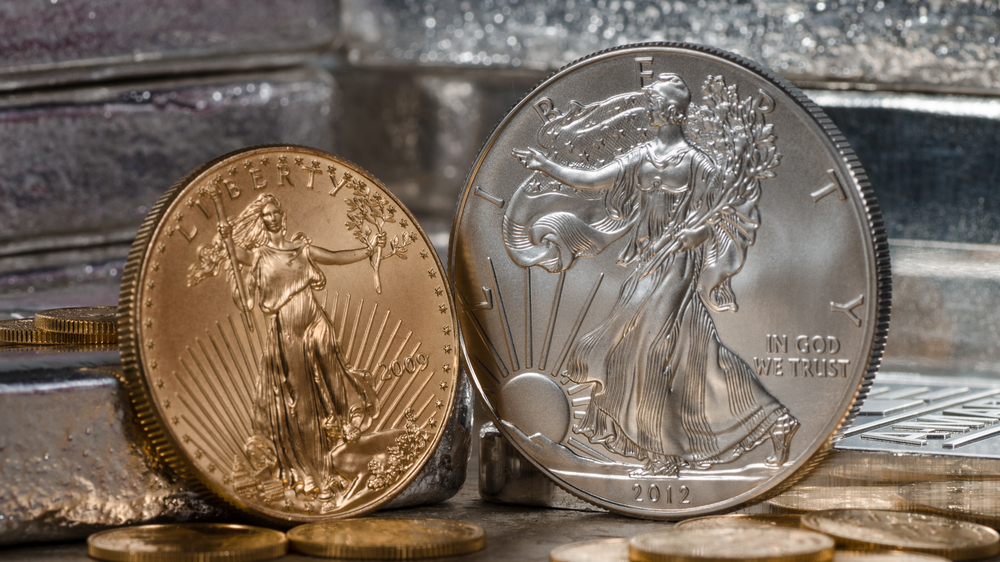
For those focused on investment, Silver American Eagles offer 99.9% pure silver content. These bullion coins are recognized globally and can easily complement your collection of Kennedy Half Dollars. Premier Coin Galleries provides both proof and bullion versions to fit varying collector and investor goals.

Other Historic Silver Coins

Other U.S. silver coins, such as the Morgan Dollar, Peace Dollar, and Liberty Head Half Eagle, offer additional historical depth to any collection. Each coin tells a unique story of America’s economic and cultural development. By pairing these coins with the Kennedy Half Dollar, collectors can build a diverse, historically rich portfolio. You can also consider investing in walking liberty half dollar. Check out our guide on walking liberty half dollar value.

Understanding Market Value of Silver Coins

The value of silver coins depends on several factors, including:

  • Current silver spot price
  • Rarity and mintage numbers
  • Condition and grading
  • Demand from collectors and investors
  • Historical significance

Premier Coin Galleries ensures that all coins are accurately priced, taking into account both intrinsic metal value and collector premiums. This allows buyers to make informed decisions when purchasing silver coins on Long Island.

Long-Term Benefits of Collecting Silver Coins

Collecting silver coins isn’t just about immediate enjoyment—it offers long-term advantages as well:

  • Wealth Preservation: Silver coins can serve as a hedge against inflation and currency fluctuations.
  • Portfolio Diversification: Adding physical assets like coins reduces dependence on stocks and bonds. Check out our article on how to diversify your portfolio with silver.
  • Legacy Building: Collectible coins can be passed down as family heirlooms, preserving both value and history.
  • Educational Value: Coin collecting encourages learning about history, art, and metallurgy.

Long Island Resources for Coin Collectors

Long Island offers a variety of opportunities for collectors to engage with the coin community:

  • Coin Shows: Regularly held in Nassau and Suffolk counties, coin shows provide an excellent venue to buy, sell, and trade silver coins.
  • Coin Clubs: Local clubs offer networking opportunities, education, and access to exclusive coin auctions.
  • Local Dealers: Trusted dealers like Premier Coin Galleries provide in-person consultation, authentication, and purchase services.
  • Auctions: Both live and online auctions allow collectors to acquire rare and high-grade coins from across the U.S.

Where to Buy Silver Coins on Long Island

When searching to buy silver coins on Long Island, it’s essential to choose a reputable dealer who specializes in both coins and precious metals. Premier Coin Galleries has decades of experience in providing collectors and investors with authentic, high-quality coins. Whether you’re looking for individual coins like the 1964 Kennedy Half Dollar or building a diverse silver portfolio, our Long Island location offers:

  • Expert guidance from knowledgeable staff
  • Authentic coins with guaranteed quality
  • Competitive pricing based on market values
  • Opportunities to buy, sell, or trade rare coins

Tips for Buying Silver Coins

Buying silver coins requires careful consideration to maximize both enjoyment and investment potential. Here are some tips when purchasing silver coins on Long Island:

  • Verify Authenticity: Only buy coins from reputable dealers who provide authentication certificates.
  • Understand Silver Content: Know the silver percentage. The 1964 JFK Half Dollar contains 90% silver, which is higher than many post-1964 coins.
  • Check Mint Marks: Coins from different mints (Philadelphia, Denver, San Francisco) can have varying rarity and value.
  • Consider Coin Condition: Uncirculated and proof coins often command higher prices.
  • Stay Informed: Silver prices fluctuate. Being aware of market trends helps determine the best time to buy.

Conclusion

For anyone looking to buy silver coins on Long Island, the 1964 John F. Kennedy Silver Half Dollar represents a unique blend of historical significance, investment potential, and timeless design. Premier Coin Galleries offers collectors and investors a trusted source for authentic coins, expert guidance, and competitive pricing. Whether you’re a seasoned collector or just beginning your journey into silver coins, the Kennedy Half Dollar is a must-have piece of American history and a valuable addition to your collection.

With decades of experience serving collectors and investors on Long Island, Premier Coin Galleries makes acquiring, investing in, and selling silver coins simple and reliable. Explore our selection of rare coins, including the iconic 1964 Kennedy Half Dollar, and begin or expand your silver coin collection today.

Visit Premier Coin Galleries on Long Island to experience firsthand why collectors trust us for authentic silver coins, expert advice, and a rewarding collecting experience.

FAQs About Buying Silver Coins on Long Island

Q1: What makes the 1964 Kennedy Half Dollar special?

The 1964 Kennedy Half Dollar is 90% silver and was minted shortly after JFK’s assassination. Its historical significance, silver content, and limited availability make it highly desirable for collectors and investors.

Q2: Where can I buy authentic silver coins on Long Island?

Premier Coin Galleries is a trusted source for authentic silver coins on Long Island. We offer verified, high-quality coins, including the JFK Half Dollar, with expert guidance for collectors and investors.

Q3: How can I verify the authenticity of a silver coin?

Always purchase coins from reputable dealers who provide certificates of authenticity. Look for recognized grading and certification services to ensure your investment is genuine.

Q4: Are Kennedy Half Dollars a good investment?

Yes. The 1964 Kennedy Half Dollar has high silver content and historical value, making it a solid addition to any silver investment portfolio.

Q5: What should I look for when buying silver coins?

Check the coin’s silver content, mint mark, condition, and authenticity. Consider working with a trusted dealer like Premier Coin Galleries to make informed purchasing decisions.

Q6: Can I sell my silver coins back to Premier Coin Galleries?

Yes. We buy back coins and precious metals, providing competitive market-based offers. This ensures a trusted transaction for both collectors and investors looking to liquidate assets.

Q7: Are there rare variations of the 1964 Kennedy Half Dollar?

Yes. Proof coins, coins with specific mint marks, and uncirculated versions can have higher value. Premier Coin Galleries can help identify and authenticate rare variations.
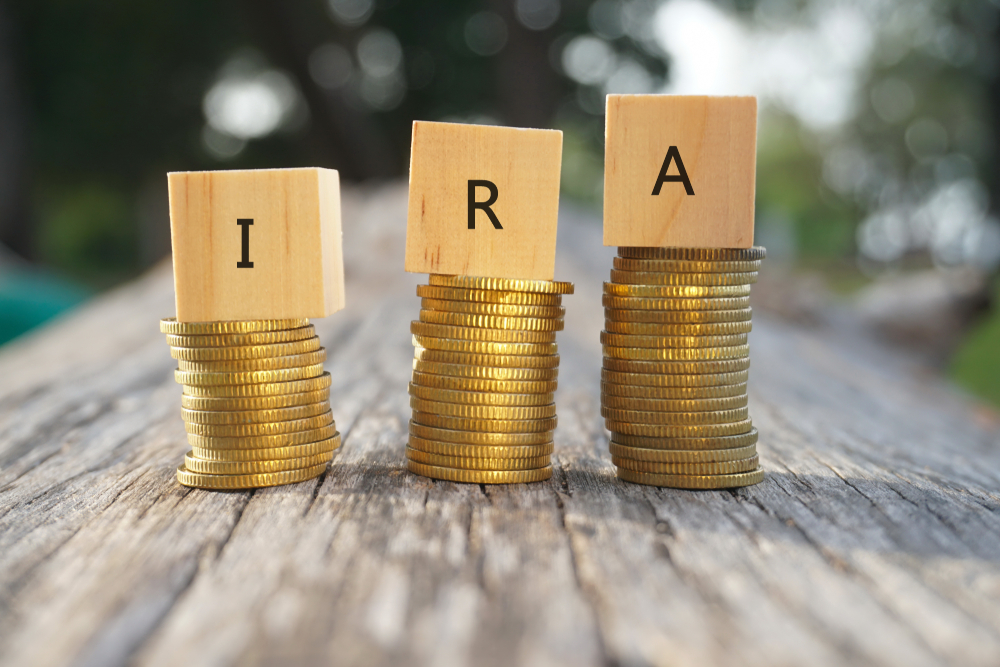
A Comprehensive Guide to Precious Metals IRA

How to Start a Precious Metals IRA

Investing in precious metals offers a unique opportunity to diversify your retirement portfolio and protect your wealth against economic uncertainties. Whether you’re new to precious metals investing or looking to diversify an existing portfolio, this comprehensive guide will help you make the best decision.

What is a Precious Metals IRA?

Precious Metals IRA is a self-directed Individual Retirement Account (IRA) that allows you to invest in physical precious metals such as gold, silver, platinum, and palladium. Unlike traditional IRAs, which typically hold stocks, bonds, or mutual funds, a Precious Metals IRA gives you the opportunity to include tangible assets in your retirement portfolio. These metals are held in a secure, IRS-approved depository, ensuring compliance with federal regulations while offering the benefits of physical ownership.

How Does a Precious Metals IRA Work?

Precious Metals IRA operates similarly to a traditional IRA but with the added benefit of holding physical gold and other precious metals. Here’s a step-by-step overview of how a Precious Metals IRA works:

  1. Open a Self-Directed IRA: This account allows you to invest in alternative assets like precious metals.
  2. Fund Your Account: Transfer funds from an existing retirement account (e.g., 401(k), Traditional IRA, or Roth IRA) or make a new contribution to your Precious Metals IRA.
  3. Select Precious Metals: Choose IRS-approved gold, silver, platinum, or palladium products to include in your portfolio.
  4. Purchase and Store Metals: Once you’ve selected your metals, they are purchased through a trusted dealer and stored in a secure, IRS-approved depository.
  5. Manage Your Investment: Monitor your Precious Metals IRA’s performance and make adjustments as needed, with support from our experienced advisors.

A Precious Metals IRA is designed to provide long-term stability and growth. It is an excellent option to protect retirement savings from economic uncertainties. Ready to Start? See our full guide on how to start a Precious Metals IRA

Funding Options for a Precious Metals IRA

Funding a Precious Metals IRA is a straightforward process. There are several ways to fund your IRA, depending on your financial situation and existing retirement accounts.

  1. Cash Contributions: You can contribute cash to your Precious Metals IRA, subject to IRS annual contribution limits. For 2025, the limit is $7,000 for individuals under 50 and $8,000 for those 50 and older (including catch-up contributions).
  2. Rollovers: Transfer funds from an existing retirement account, such as a 401(k), 403(b), or Traditional IRA, into your Precious Metals IRA. This is a tax-free process when done correctly.
  3. Transfers: Move funds directly from one IRA to another without taking possession of the funds, ensuring a seamless and tax-free transaction.
  4. Roth Conversions: Convert funds from a Traditional IRA or 401(k) to a Roth Gold IRA, which may involve paying taxes on the converted amount but offers tax-free withdrawals in retirement.

Pros & Cons of Investing with a Precious Metals IRA

Pros of Investing in Precious Metals IRA

  1. Hedge Against Inflation: Precious metals have historically maintained their value over time, serving as a safeguard against inflation. When the purchasing power of paper currency declines, the value of metals like gold and silver often remains stable or even increases.
  2. Portfolio Diversification: Including precious metals in your investment portfolio can reduce overall risk. They often have a low correlation with traditional assets like stocks and bonds, meaning they may perform well when other investments do not.
  3. Tangible Asset: Unlike stocks or bonds, precious metals are physical assets that you can hold. This tangibility provides a sense of security, as they are not subject to the same risks as digital or paper assets.
  4. Hedge Against Geopolitical and Economic Uncertainty: Global political and economic events can cause significant volatility in financial markets. Precious metals often perform well during times of geopolitical tension and economic uncertainty, as investors seek safe-haven assets. By including gold and silver in your retirement portfolio, you can hedge against these risks and protect your savings from unpredictable global events.
  5. Growth Potential: While precious metals are often viewed as conservative investments, they also offer growth potential. Over the long term, the value of gold and silver can appreciate significantly, providing capital gains that enhance your retirement savings. Market demand, industrial uses, and geopolitical factors can all drive the prices of precious metals, offering opportunities for growth.

Cons of Investing in Precious Metals IRA

  1. Price Volatility: The value of precious metals can fluctuate significantly over short periods. Market factors, geopolitical events, and changes in supply and demand can lead to unpredictable price movements.
  2. Lack of Income Generation: Precious metals do not generate interest or dividends. Their value appreciation relies solely on market price increases, which may not always occur.
  3. Storage and Insurance Costs: Owning physical metals requires secure storage and insurance, which can add to the overall cost of the investment. These expenses can erode potential profits over time.

IRA Approved Precious Metals

The IRS has strict guidelines on the types of precious metals that can be included in a Gold IRA. These standards ensure purity, quality, and authenticity. IRA approved precious metals are gold, silver, platinum and palladium. These metals can be included in IRA if they fulfill IRS requirements.

IRS Requirements for Precious Metals

  • Gold Must be at least 99.5% pure (24 karat). Examples include American Gold Eagle, Canadian Gold Maple Leaf, and gold bars from approved mints.
  • Silver Must be at least 99.9% pure. Examples include American Silver Eagle, Canadian Silver Maple Leaf, and silver bars from approved refiners.
  • Platinum Must be at least 99.95% pure. Examples include American Platinum Eagle and platinum bars from approved mints.
  • Palladium Must be at least 99.95% pure. Examples include Canadian Palladium Maple Leaf and palladium bars from approved refiners.

Precious Metals IRA vs. Traditional IRA

While both Precious Metals IRAs and Traditional IRAs are powerful retirement savings tools, they differ significantly in their investment options and benefits. Here’s a detailed comparison:

Feature Precious Metals IRA Traditional IRA
Investment Options Physical gold, silver, platinum, palladium Stocks, bonds, mutual funds, ETFs
Tax Benefits Tax-deferred (Traditional) or tax-free (Roth) Tax-deferred (Traditional) or tax-free (Roth)
Diversification High (tangible assets) Moderate (paper assets)
Hedge Against Inflation Strong Limited
Storage IRS-approved depository Brokerage or bank account
Liquidity Moderate (requires selling metals) High (market-based assets)

Premier Coin Galleries helps you weigh the pros and cons of both options, ensuring your retirement plan aligns with your risk tolerance and financial goals.

Get Started Today

Investing in a precious metals IRA with Premier Coin Galleries is a smart way to protect your retirement savings and diversify your portfolio. Our team is ready to answer your questions, provide detailed guidance, and help you take the first step toward financial security.

FAQs on Precious Metals IRA

Q: Is a Precious Metals IRA risky?

A: All investments carry some level of risk. However, precious metals historically hold value over the long term, making them less volatile than some other assets.

Q: Can I take physical possession of my metals?

A: Yes, but only after you reach the eligible distribution age or liquidate the IRA. Until then, they must remain in an IRS-approved facility.

Q: Are there any tax penalties when transferring funds from my IRA to a Precious Metals IRA?

A: No. If you follow the procedures, there are no taxes or penalties.

Q: What are the tax advantages?

A: Like other IRAs, a Precious Metals IRA offers tax-deferred growth for traditional accounts and tax-free growth for Roth accounts (if you meet all requirements).

Walking Liberty Half Dollar Coin Value

walking liberty half dollar

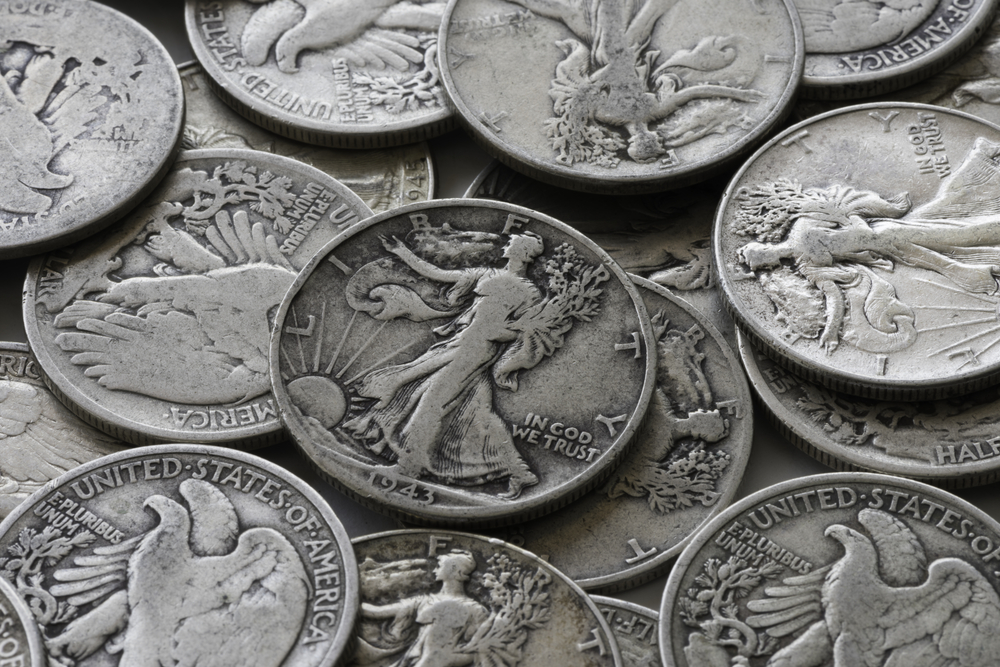
The Walking Liberty Half Dollar, minted from 1916 to 1947, is one of the most beautiful and iconic coins in American history. Designed by the legendary sculptor Adolph A. Weinman, its graceful imagery and historical significance make it highly desirable among collectors, investors, and precious metals enthusiasts.

If you own one of these coins—or are considering adding one to your collection—you might be wondering, “What is my Walking Liberty Half Dollar coin value?” The answer depends on several factors, from its date and mint mark to its condition and silver content.

In this in-depth guide, Premier Coin Galleries—Long Island’s trusted rare coin experts—will help you understand everything you need to know about the walking liberty half dollar coin value, including history, grading, key dates, and tips for selling or investing.

A Brief History of the Walking Liberty Half Dollar

The Walking Liberty Half Dollar was born out of a nationwide initiative to beautify American coinage in the early 20th century. The U.S. Mint invited prominent artists to redesign several denominations, replacing outdated designs with fresh, symbolic imagery.

When the coin debuted in 1916, Weinman’s artwork captured the nation’s imagination.

Walking Liberty Design:

  • Obverse (Front): Lady Liberty is shown striding toward the sunrise, draped in the American flag, carrying laurel and oak branches—symbols of civil and military glory.
  • Reverse (Back): A bald eagle, wings partly unfolded, perches confidently on a rocky crag, surrounded by mountain pine.

Minted at Philadelphia (no mint mark), Denver (D), and San Francisco (S), the Walking Liberty Half Dollar circulated widely until 1947, when it was replaced by the Franklin Half Dollar.

Today, the design remains so beloved that it was revived for the American Silver Eagle bullion coin introduced in 1986.

measurements of the walking liberty half dollar coin

5 Factors that Impact Walking Liberty Coin Value

Although every Walking Liberty Half Dollar contains 90% silver (about 0.3617 troy ounces), the value can vary dramatically—sometimes by hundreds or even thousands of dollars—depending on the following factors.

1. Date and Mint Mark

Some years and mints produced far fewer coins than others. Key dates with low mintage numbers are much more valuable. For example:

  • 1921 (all mints) — extremely scarce due to low production during the post–World War I recession.
  • 1916-S — one of the earliest and most desirable coins in the series.

The mint mark is located on the reverse, just below the olive branch.

2. Condition / Grade

Grading measures a coin’s state of preservation. Even a common date Walking Liberty Half Dollar can see its value skyrocket in high grades.

The most widely used scale is the Sheldon Grading Scale, which ranges from Poor (P-1) to Mint State (MS-70).

  • Good (G-4): Heavy wear, but the major details are still visible.
  • Fine (F-12): Moderate wear, with more visible detail.
  • Extremely Fine (EF-40): Light wear, strong details.
  • Mint State (MS-60 and above): No wear, full original luster.

3. Rarity

Some coins were struck in such small numbers—or have survived in so few high-grade examples—that they are incredibly rare. Rarity can boost the Walking Liberty Half Dollar coin value exponentially, especially when demand from collectors is high.

4. Silver Content and Bullion Value

Because each coin contains 0.3617 troy ounces of silver, the spot price of silver influences its base value. For example, if silver is $25 per ounce, the intrinsic silver value is about $9.04. However, collectible value often far exceeds bullion value for rare or high-grade coins.

5. Historical Significance

Coins with a rich backstory—such as being part of a key mintage year or connected to a historic event—tend to have greater appeal and value.

Walking Liberty Half Dollar Value: Price Ranges

While values can change based on silver prices and market demand, here is a general guide for Walking Liberty Half Dollar values:

Category Typical Value Range
Common Dates (Circulated) $10 – $20
Common Dates (Mint State) $50 – $150+
Key Dates (e.g., 1916-S, 1921-D, 1921-S) Circulated $50 – $1,500+
Key Dates (High Grade) $2,000 – $10,000+
Proof Coins (1936–1942) $1,000 – $5,000+

Examples of High-Value Coins

  • 1916-S: $50 to $250+ depending on grade
  • 1921-D: $200 to $1,000+ in circulated grades
  • 1921-S: $300 to $1,500+ in circulated grades; much higher in uncirculated
  • Proof 1936–1942: Often $2,500 or more in top condition

Determining the Value of a Walking Liberty Half Dollar

Step 1: Check the Date and Mint Mark

Locate the mint mark on the reverse below the olive branch. Record the year and mint mark combination.

Step 2: Evaluate the Condition

Compare your coin’s wear patterns to grading reference photos, or better yet, have it examined by a professional dealer.

Step 3: Check Silver Prices

Look up the current silver spot price to understand the coin’s minimum melt value.

Step 4: Research Recent Sales

Check auction results for similar coins in your coin’s date, mint, and grade.

Step 5: Get a Professional Appraisal

Premier Coin Galleries can evaluate your coin in person, confirm authenticity, and give you an accurate market-based value.

How to Sell Your Silver Half Dollar

  • Avoid pawn shops: They typically pay only melt value for silver coins.
  • Work with reputable coin dealers: Premier Coin Galleries specializes in both buying and selling these coins, ensuring you receive competitive offers based on collector demand—not just silver weight.
  • Consider timing: Selling when silver prices or collector interest are high can increase your payout.
  • Have documentation: Graded coins with authentication from PCGS or NGC often sell for higher prices.

How to Invest in Walking Liberty Half Dollars

The Walking Liberty Half Dollar offers dual investment appeal:

  1. Precious Metal Content: With 90% silver, it offers a tangible hedge against inflation.
  2. Numismatic Value: Rare dates and high-grade examples appreciate over time due to collector demand.

At Premier Coin Galleries, we help clients identify investment-worthy coins, whether for a diversified portfolio or a long-term collectible strategy.

premier coin galleries

Why Choose Premier Coin Galleries?

  • Over 30 years of experience in rare coin dealing
  • Expert appraisals based on current market data
  • Competitive offers for sellers
  • Authentic, high-quality coins for buyers
  • Personalized service for both new and seasoned collectors

Final Thoughts on Walking Liberty Half Dollar Coin Value

The Walking Liberty Half Dollar is more than just a silver coin—it’s a piece of American history. Its value can range from $10 for common circulated coins to several thousand dollars for rare, high-grade, or proof issues.

Whether you’re holding onto a family heirloom or hunting for a key date to complete your set, understanding the factors that determine its value will help you make informed decisions.

If you’re ready to buy, sell, or appraise your Walking Liberty Half Dollar, contact Premier Coin Galleries today. We’ll help you unlock its true value.

Another valuable coin in American history is Kennedy Half Dollar, Check out our comprehensive guide on the 1964 Kennedy Half Dollar.

Frequently Asked Questions

How much silver is in a Walking Liberty Half Dollar?

Each coin contains 0.3617 troy ounces of silver, composed of 90% silver and 10% copper.

What is the most valuable Walking Liberty Half Dollar?

Some of the highest-value coins include the 1921-S and 1921-D in high grades, as well as proof coins from 1936–1942.

How can I tell if my coin is uncirculated?

Uncirculated coins show no wear on the high points, retain full mint luster, and have sharp details. Professional grading is recommended.

Where can I sell my Walking Liberty Half Dollar on Long Island?

Premier Coin Galleries is a trusted buyer offering competitive prices for Walking Liberty Half Dollars and other rare coins.

The Revival of Silver in Global and Industrial Demand

Diversify Your Investment Portfolio with Silver

Why is Silver Gaining Momentum Again?

Silver is unique among precious metals because it serves both industrial and investment purposes. While gold is primarily a safe-haven asset, silver has dual appeal: it shines as a store of value and as a vital component in modern technology.

  • Rising Industrial Demand – From solar panels to electronics, silver’s conductivity makes it indispensable.
  • Global Economic Shifts – Nations like China are stockpiling silver to support their growing tech industries.
  • Digital Finance Innovations – Silver is even being considered as part of the backing for BRICS digital currency.
  • Inflation Hedge – Like gold, silver offers protection against inflation and currency volatility.

How is Silver Used in Industrial Applications?

Renewable Energy and Solar Power

The global push for renewable energy has made silver more valuable than ever. Silver is a key material in solar panels because of its unmatched conductivity, which boosts energy efficiency in photovoltaic cells.

Electronics and Technology

From smartphones to electric vehicles, silver is found in countless devices. With the rise of AI, 5G, and EVs, the demand for silver continues to grow.

Medical Applications

Silver’s antimicrobial properties make it vital in wound dressings, surgical tools, and medical devices. As healthcare technology advances, silver’s importance grows.

Why Is China Strategically Investing in Silver?

China has emerged as one of the biggest players in the global silver market. By increasing its silver reserves, the nation is fueling production of high-tech equipment, from solar panels to electronics. For investors looking to diversify their investment portfolio with silver, this global demand trend is important to consider.

How Do Global Market Movements Affect Silver?

Unlike gold, which tends to hold a steadier price, silver often moves more dramatically in response to global events. This volatility offers both risks and opportunities. Recent price movements have been influenced by:

  • Industrial growth in emerging economies
  • Stimulus measures that increase demand for raw materials
  • Currency fluctuations and inflation concerns
  • Speculation tied to central bank interest rate changes

What Role Does Silver Play in the BRICS Digital Currency?

The possibility of silver being incorporated into the backing of a BRICS digital currency adds another fascinating dimension. By tying a digital currency to precious metals like silver, nations could create a stable financial system that boosts silver’s long-term value.

What This Means for Investors

For investors, silver’s revival spells opportunity. Benefits include:

  • Portfolio Diversification – Silver balances traditional equities and other assets.
  • Inflation Protection – A hedge against currency devaluation.
  • Accessibility – More affordable than gold, making it easier for new investors.
  • Growth Potential – Driven by industrial demand and innovation.

However, silver’s volatility means it’s important to work with a trusted dealer like Premier Coin Galleries when you decide to invest in silver in East Islip on Long Island.

How to Navigate the Silver Market

  1. Do Your Research – Learn how global trends impact silver prices.
  2. Start Small – Begin with coins or smaller silver bars.
  3. Work with Experts – Partner with a reputable dealer in East Islip.
  4. Diversify Your Holdings – Balance silver with other investments.
  5. Think Long-Term – Industrial demand isn’t a short-lived trend.

The Future of Silver: A Bright Outlook

Silver is more than just a shiny metal—it’s a cornerstone of the modern economy. Its role in renewable energy, healthcare, technology, and even digital finance ensures demand will stay strong. For investors, this is the right time to consider silver as part of a diversified portfolio.

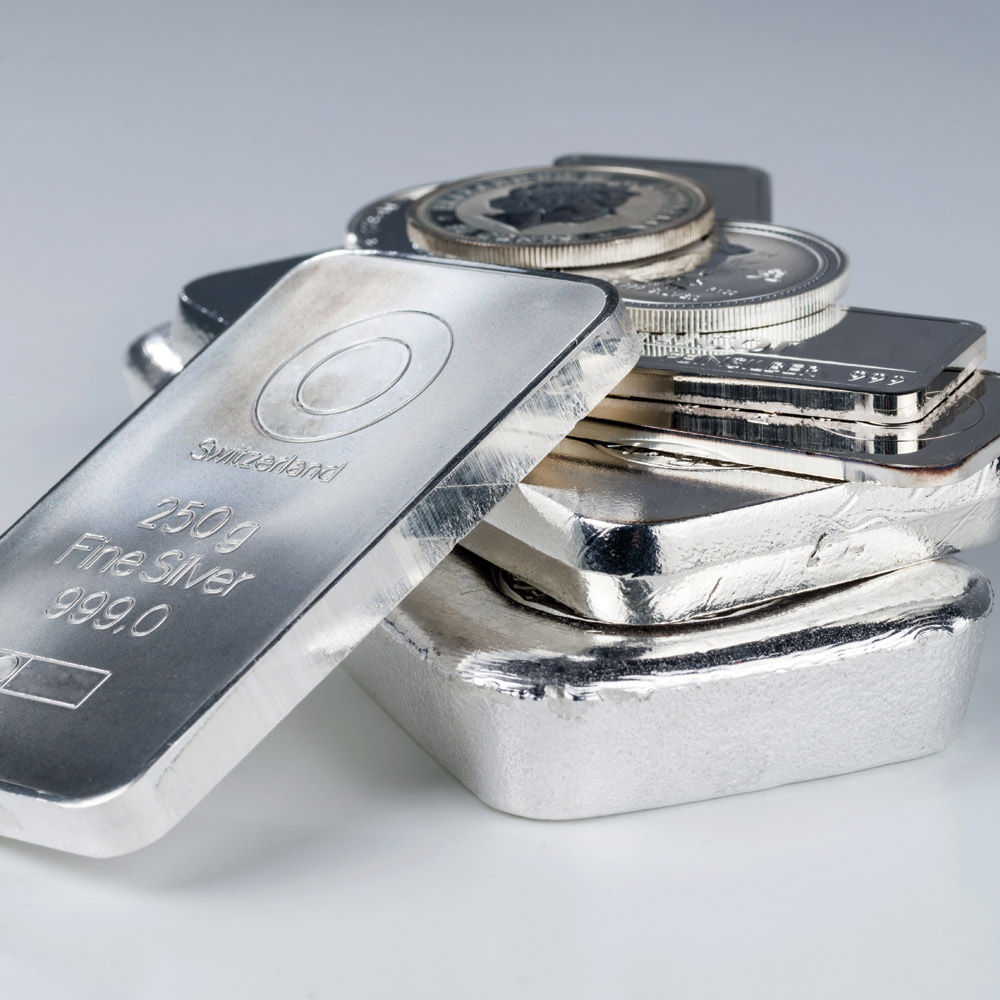
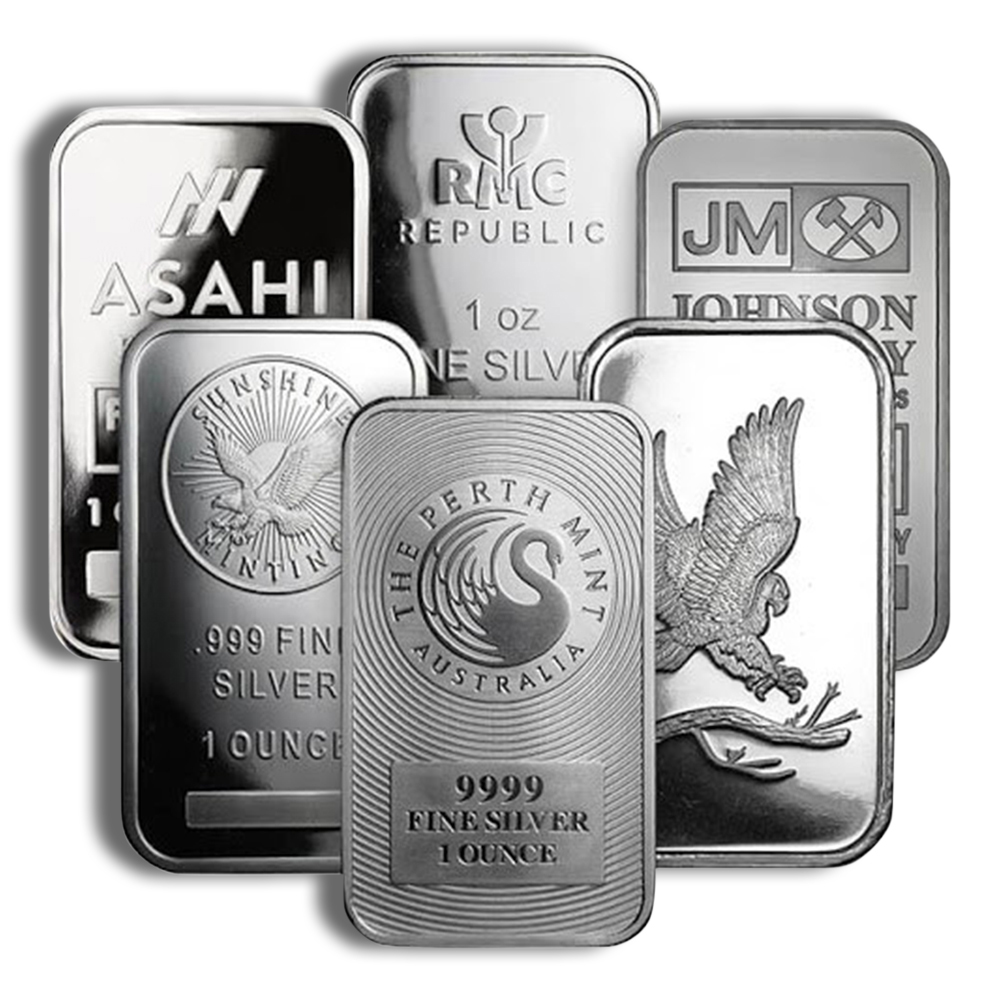
silver bars from all over the world standing side by side

Why Invest in Silver with Premier Coin Galleries in East Islip?

At Premier Coin Galleries, we specialize in helping Long Island and East Islip investors discover the power of silver. Here’s why clients choose us:

  • Expert Knowledge – Decades of experience in silver investments.
  • Wide Selection – Coins, bullion, and silver bars for every type of investor.
  • Trusted Reputation – Helping Long Island investors protect their wealth.
  • Personalized Service – Recommendations tailored to your goals.

Take the Next Step: Invest in Silver Today

Silver’s revival is real, and the opportunities are here. From powering solar panels to shaping financial systems, silver is helping build the future. If you’re ready to invest, visit Premier Coin Galleries in East Islip for silver coins, bars, and bullion.

Contact us today to learn how you can invest in silver and secure your financial future.

How to Store Precious Metals: Secure Storage and Protection Options

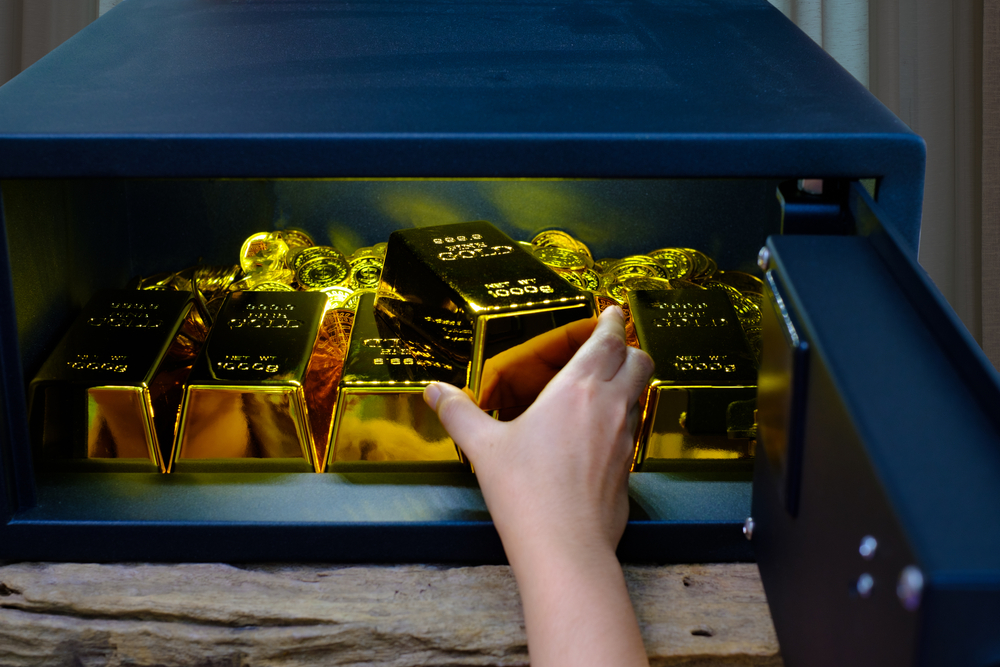
safe coin storage

Investing in precious metals such as gold, silver, platinum, and palladium is a strategic way to diversify your portfolio and preserve wealth, especially in economically uncertain times. For investors, ensuring the safety of these valuable assets is as critical as acquiring them. Proper storage protects precious metals from theft, damage, environmental factors, and loss, preserving their condition and resale value. This comprehensive guide explores the best storage options for precious metals, offering insights to help both novice and experienced investors make informed decisions.

Planning to start investing in precious metals? Check out our comprehensive guide on investing in gold and silver to enrich your knowledge about precious metals investing.

Why Secure Storage of Precious Metals is Essential

Unlike digital investments like stocks or cryptocurrencies, precious metals are tangible assets requiring physical protection. Inadequate storage can expose your gold, silver, or other metals to risks such as:

  • Theft: Unsecured metals are vulnerable to burglary.
  • Environmental Damage: Humidity, oxidation, or improper handling can degrade metal quality.
  • Loss or Misplacement: Poor organization can lead to misplaced assets.
  • Natural Disasters: Fire, floods, or other disasters can destroy unprotected metals.

Proper storage ensures your precious metals remain secure and maintain their value, whether you store them at home or in a professional facility.

Want to know Gold or Silver which is better for you? Read our special guide on gold vs. silver investment to take the best decision.

Key Considerations for Precious Metals Storage

Before exploring storage options, consider these factors to choose the best method for your needs:

  • Accessibility: How often do you need to access your precious metals?
  • Security Level: What level of protection is necessary based on your investment size?
  • Insurance: Do you require insurance to cover potential loss, theft, or damage?
  • Environmental Protection: Are climate-controlled conditions necessary to prevent deterioration?
  • Cost: What is your budget for storage solutions?

These considerations will guide you toward the most suitable storage option for your precious metals.

5 Secure Storage Options for Precious Metals

1. Home Safes

Storing precious metals in a home safe offers convenience and immediate access. However, it requires careful planning to ensure security. Key features to look for in a home safe include:

  • Fireproof and Waterproof Rating: Protects against fire and water damage.
  • Tamper-Resistant Design: Reinforced steel and advanced locking mechanisms deter break-ins.
  • Hidden Installation: Concealing the safe in a discreet location, such as a basement or closet, adds an extra layer of protection.

Pros:

  • Immediate access to your precious metals.
  • One-time purchase cost with no recurring fees.
  • Full control over your assets.

Cons:

  • Risk of burglary if the safe is not well-hidden or secured.
  • Limited insurance coverage, as most homeowner policies exclude high-value items like precious metals.
  • Potential vulnerability to natural disasters.

2. Bank Safe Deposit Boxes

Many banks offer safe deposit boxes for storing precious metals. These boxes are housed in secure bank vaults, providing robust protection.

Benefits:

  • High Security: Bank vaults feature 24/7 surveillance, alarms, and restricted access.
  • Climate-Controlled Environment: Prevents oxidation and environmental damage.
  • Affordable Pricing: Annual rental fees are typically reasonable, ranging from $50 to $200 depending on box size.

Drawbacks:

  • Limited access during banking hours, which may inconvenience investors needing frequent access.
  • Potential lack of insurance; banks typically do not insure safe deposit box contents.
  • Risk of government seizure in rare cases, such as legal disputes.

Tips for Long Islanders: Research banks in areas like Mineola, Garden City, or Huntington for safe deposit box availability. Verify insurance policies to ensure your precious metals are covered. Banks such as Chase, TD Bank, and local credit unions provide safe deposit boxes for storing precious metals

3. Private Vault Storage Facilities

There are private vault storage facilities designed specifically for precious metals. These facilities offer advanced security and specialized services.

Benefits:

  • 24/7 Surveillance and Armed Security: Ensures maximum protection.
  • Insurance Options: Many facilities provide insurance for stored assets.
  • Climate-Controlled Storage: Protects metals from humidity and temperature fluctuations.
  • Flexible Access: Some vaults offer extended hours compared to banks.

Drawbacks:

  • Higher costs, often involving monthly or annual fees.
  • Limited locations on Long Island, requiring travel to facilities in areas like Melville or Syosset.

Tips for Long Islanders: Look for reputable private vaults, such as those affiliated with national providers like Brinks or Loomis, operating in the Long Island area. Verify their certifications and insurance offerings.

4. Precious Metals Depositories

For investors with substantial precious metals holdings, depositories offer unparalleled security and professional services. These facilities are ideal for large-scale investors.

Benefits:

  • Segregated Storage: Your metals are stored separately, ensuring no commingling.
  • Comprehensive Insurance: Covers theft, damage, and loss.
  • Global Accessibility: Some depositories provide services for international trading and transport.
  • Advanced Security: Features biometric access, armed guards, and redundant security systems.

Drawbacks:

  • High costs, including storage and insurance fees.
  • Limited physical access, as depositories prioritize security over convenience.

Tips for Long Islanders: Consider partnering with national depositories like Delaware Depository or IDS of Delaware, which may have regional services accessible to Long Island investors.

5. Third-Party Insured Storage Services

Third-party storage services offer a hands-off approach, partnering with private vaults or depositories to store your precious metals. These services are ideal for investors seeking convenience and professional management.

Benefits:

  • Flexible Plans: Options for short-term or long-term storage.
  • Comprehensive Insurance: Covers risks like theft, natural disasters, and loss.
  • Digital Inventory Management: Track your assets via online portals.
  • Professional Handling: Experts ensure proper storage conditions.

Drawbacks:

  • Ongoing fees, which can be significant for large holdings.
  • Less direct control over your assets.

Tips for Long Islanders: Research providers like GoldSilver or APMEX, which offer insured storage services and may partner with Long Island-accessible facilities. Ensure contracts include clear insurance terms.

We have an informative article on evolution of precious metals investing. Check out that to know the history of precious metals.

Choosing the Right Storage Option for Your Precious Metals

Selecting the best storage method for your precious metals depends on your investment goals and preferences. Use this decision-making framework:

  • Small Investments ($1,000–$10,000): Home safes or bank safe deposit boxes are cost-effective and sufficient for smaller holdings.
  • Moderate Investments ($10,000–$50,000): Private vaults or third-party storage services provide enhanced security and insurance.
  • Large Investments ($50,000+): Precious metals depositories offer the highest level of protection for significant holdings.

Key Questions to Ask:

  • How frequently do I need to access my precious metals?
  • Am I comfortable storing assets at home, or do I prefer professional facilities?
  • What is my budget for storage and insurance costs?
  • Do I need climate-controlled storage to protect my metals’ condition?

Long Island Considerations:

  • Proximity: Choose a storage facility in convenient Long Island locations like Hempstead, Rockville Centre, or Hauppauge.
  • Local Expertise: Consult Long Island precious metals dealers, such as Premier Coin Galleries, for storage recommendations tailored to the region.
  • Insurance Availability: Verify that your homeowner’s or renter’s insurance covers precious metals, or opt for facilities offering comprehensive coverage.

More Tips for Protecting Precious Metals

  • Regular Inspections: Periodically check your precious metals for signs of damage or tampering.
  • Documentation: Maintain detailed records of your metals, including purchase receipts, certificates, and photos, to support insurance claims.
  • Diversified Storage: Consider splitting your metals across multiple storage methods (e.g., home safe and private vault) to reduce risk.
  • Professional Guidance: Work with trusted Long Island dealers like Premier Coin Galleries to assess storage options and ensure proper handling.

The Role of Premier Coin Galleries

At Premier Coin Galleries, we specialize in helping Long Island investors acquire and protect high-quality precious metals. Our team offers personalized guidance on storage solutions, from recommending top-rated home safes to connecting you with secure vault facilities. We also provide insights into insurance options and local storage providers, ensuring your gold, silver, and other metals remain safe and valuable.

Conclusion

Protecting your precious metals is a critical aspect of wealth preservation. Whether you choose a fireproof home safe, a bank safe deposit box, a private vault, a depository, or a third-party storage service, Long Island offers a range of secure options tailored to your needs. By evaluating factors like accessibility, security, and insurance, you can select the best storage method to safeguard your investment.

Contact Premier Coin Galleries today to explore our premium precious metals offerings and receive expert advice on secure storage solutions in Long Island. Let us help you protect your wealth for years to come!

Gold vs. Silver Investment: Which is Better for Your Portfolio

investing

Investing in gold and silver is a time-tested strategy for preserving wealth, hedging against inflation, and diversifying portfolios. For investors, choosing between gold and silver can be a pivotal decision, as each metal offers unique benefits and aligns with different financial goals. Premier Coin Galleries, a trusted name in Long Island’s precious metals market, provides this comprehensive guide to compare gold and silver, helping you make informed investment choices tailored to your needs.

In this guide, Premier Coin Galleries provides a detailed comparative analysis of gold and silver, helping you determine which metal best aligns with your financial goals.

Why Invest in Gold and Silver?

Gold and silver are tangible assets that protect against economic uncertainty, currency devaluation, and market volatility. When economic conditions can fluctuate alongside national and global markets, precious metals offer stability and growth potential. Whether you’re a seasoned investor or a beginner exploring options, understanding the differences between gold and silver is crucial for building a resilient portfolio.

Gold vs. Silver: Key Differences

While both gold and silver are valued as precious metals, they differ in market dynamics, applications, and investment characteristics. Below is a detailed comparison for investors:

Feature Gold Silver
Market Value Higher per ounce (~$2,500/oz) Lower per ounce (~$30/oz)
Volatility More stable More volatile
Industrial Use Limited High demand in electronics, solar panels, and medical applications
Inflation Hedge Strong Moderate
Liquidity High High, but slightly less than gold
Storage Needs Compact, easier to store Bulkier, requires more space

Understanding these distinctions helps investors align their precious metals investments with their financial objectives.

Gold: The Ultimate Safe-Haven Asset

Gold has been a preferred investment for centuries, offering a stable store of value and acting as a hedge against economic downturns, currency devaluation, and inflation.

Advantages of Gold Investment

  • Stability and Long-Term Value: Gold maintains its value over time, making it a reliable asset during economic downturns or geopolitical crises.
  • Inflation Protection: As fiat currencies lose purchasing power, gold historically retains its worth, safeguarding investors from inflation.
  • Portfolio Diversification: Gold’s low correlation with stocks and bonds reduces portfolio risk, offering stability for investors in areas like Mineola or Rockville Centre.
  • Global Liquidity: Gold is easily traded or sold worldwide, ensuring liquidity for investors looking to buy or sell.

Is Gold Right for You?

Gold is ideal for investors who:

  • Seek long-term wealth preservation.
  • Want a hedge against inflation and economic uncertainty.
  • Prefer lower volatility in their precious metals investments.

Tip for Long Islanders: Consult with Premier Coin Galleries in Syosset or nearby areas to explore gold bullion, coins, or Precious Metals IRAs tailored to your financial goals.

Silver: The Affordable & Dynamic Investment

Silver shares many of gold’s benefits but has additional appeal due to its industrial applications and affordability.

Advantages of Silver Investment

  • Lower Price Point: Silver’s lower cost per ounce (~$30 vs. gold’s ~$2,500) allows Long Island investors to enter the precious metals market with less capital.
  • High Industrial Demand: Over 50% of silver is used in industries like electronics, solar panels, and medical technology, driving demand and potential price growth.
  • Growth Potential: Silver’s industrial applications and lower price point create opportunities for faster price appreciation during economic booms.
  • Inflation Hedge: Like gold, silver protects against inflation, offering investors a safe-haven asset.

Is Silver Right for You?

Silver is suitable for investors who:

  • Seek an affordable entry into the precious metals market.
  • Are comfortable with higher volatility for potential growth.
  • Want to diversify with an asset tied to both investment and industrial demand.

Tip for Long Islanders: Visit Premier Coin Galleries to explore silver coins, bars, or collectibles, and learn how silver can complement your investment strategy in areas like Hempstead or Hauppauge.

Gold vs. Silver Investment: Which Should You Choose?

The choice between gold and silver depends on your investment goals, risk tolerance, and portfolio strategy. Here’s a decision-making framework for investors:

Choose Gold If:

  • You prioritize stability and long-term wealth preservation.
  • You want a reliable hedge against inflation and economic uncertainty.
  • You prefer an asset with lower price volatility.

Choose Silver If:

  • You’re looking for an affordable way to invest in precious metals.
  • You seek higher growth potential driven by industrial demand.
  • You’re comfortable with market fluctuations and volatility.

Balanced Approach: Combining Gold and Silver

Many investors opt for a mix of gold and silver to leverage the strengths of both metals. For example:

  • Allocate 60–70% to gold for stability and wealth preservation.
  • Allocate 30–40% to silver for growth potential and affordability.

This diversified approach minimizes risk while maximizing returns, ideal for investors navigating local and global market conditions.

Factors to Consider for Investors

When choosing between gold and silver, investors should consider:

  • Investment Size: Smaller budgets may favor silver due to its lower cost, while larger portfolios may include both metals.
  • Storage: Gold is more compact, requiring less storage space, while silver’s bulkier nature may necessitate secure facilities.
  • Market Outlook: Monitor economic trends, as silver may outperform during industrial growth, while gold shines during uncertainty.
  • Local Expertise: Work with local dealers for personalized advice and access to high-quality precious metals.

How to Start Investing in Precious Metals

Getting started with precious metals investing is straightforward with the right guidance. Follow these steps:

  1. Define Your Goals: Determine whether you prioritize wealth preservation, growth, or diversification.
  2. Research Market Trends: Stay informed about gold and silver prices, influenced by global economic conditions.
  3. Choose a Reputable Dealer: Partner with a trusted dealer for authenticated precious metals and expert guidance.
  4. Select Your Products: Choose between bullion, coins, or numismatic collectibles based on your budget and goals.
  5. Secure Storage: Explore storage options like home safes, bank deposit boxes, or private vaults.

Check out our guide on how to store and protect precious metals to know details about secure storage.

Why Choose Premier Coin Galleries on Long Island?

Premier Coin Galleries, based in Long Island, is your trusted partner for precious metals investments. We offer:

  • Expert Consultation: Personalized advice tailored to your financial goals, whether you’re in Melville, Great Neck, or beyond.
  • High-Quality Inventory: A wide selection of gold and silver bullion, coins, and rare collectibles.
  • Precious Metals IRAs: Diversify your retirement savings with tax-advantaged precious metals accounts.
  • Secure Transactions: Authenticated products and secure shipping for peace of mind.
  • Numismatic Expertise: Access to rare and collectible coins for Long Island enthusiasts seeking historical value.

Our team is dedicated to helping Long Island investors build resilient portfolios with precious metals, ensuring confidence in every purchase.

Additional Tips for Long Island Precious Metals Investors

  • Monitor Local Market Trends: Stay updated on economic conditions affecting Long Island, such as real estate or business cycles, which may influence precious metals demand.
  • Diversify Within Metals: Consider a mix of bullion, coins, and numismatic items to balance investment and collectible value.
  • Secure Storage: Use Long Island-based vaults or depositories for high-value holdings, as outlined in our guide on How to Store Precious Metals.
  • Regular Portfolio Reviews: Reassess your gold and silver allocations with Premier Coin Galleries to adapt to changing market conditions.

Conclusion

Investing in precious metals like gold and silver offers investors a powerful way to protect and grow wealth. Gold provides unmatched stability and inflation protection, while silver offers affordability and growth potential driven by industrial demand. By understanding the unique benefits of each metal, you can make informed decisions that align with your financial goals.

At Premier Coin Galleries, we’re committed to guiding Long Island investors through the precious metals market with expertise, quality products, and personalized service. Whether you’re in Nassau, Suffolk, or anywhere on Long Island, contact us today to explore our gold and silver offerings and start building a diversified, resilient portfolio.

We have a comprehensive guide on how to invest in gold and silver, check out that to learn more.

Investing in Gold and Silver: A Comprehensive Guide

investing in gold and silver

Investing in gold and silver is a timeless strategy for safeguarding wealth and ensuring financial stability. Whether you’re looking to diversify your portfolio, protect against inflation, or simply invest in tangible assets, gold and silver offer unique advantages. Here’s a comprehensive guide created  by Premier Coin Galleries for investors on how to get started.

How to Start Investing in Gold and Silver

1. Understand the Basics

Before diving into investing in gold and silver, it’s essential to understand the basics:

  • Gold: Known for its enduring value and historical significance, gold is a hedge against inflation and currency fluctuations.
  • Silver: Often referred to as “poor man’s gold,” silver is more affordable and has a wide range of industrial uses, which can drive demand and price.

2. Types of Gold and Silver Investing

There are various ways to invest in gold and silver:

  • Physical Bullion: This includes coins, bars, and rounds. Owning physical bullion gives you direct ownership of the metal.
  • Exchange-Traded Funds (ETFs): These are funds that track the price of gold and silver and trade on stock exchanges.
  • Mining Stocks: Investing in companies that mine gold and silver can offer exposure to metal prices with potential for dividends and capital gains.
  • Futures and Options: These are advanced trading instruments that allow speculation on the future prices of gold and silver.

3. Choosing the Right Form of Bullion

For beginners, physical bullion is a popular choice. Here’s what to consider:

  • Coins: Gold and silver coins are government-minted and come with a face value. Popular choices include American Gold Eagles, Canadian Gold Maple Leafs, American Silver Eagles, and South African Krugerrands.
  • Bars: Bars come in various sizes, from as small as 1 gram to as large as 400 ounces for gold and 1,000 ounces for silver. They are typically cheaper per ounce than coins.
  • Rounds: These are coin-like, privately minted items. They often carry lower premiums compared to coins but do not have a face value.

4. Where to Collect Gold and Silver

It’s crucial to purchase gold and silver from reputable dealers to ensure authenticity and fair pricing:

  • Authorized Dealers: Purchase from dealers who are authorized by government mints and recognized in the industry.
  • Online Marketplaces: While convenient, ensure the seller has a strong reputation and positive reviews.
  • Premier Coin Galleries: As a nationally recognized precious metals company, PCG offers a wide range of gold and silver products. If your are in East Islip Our specialists can help you navigate your investment choices and ensure you’re getting genuine products.

5. Storage and Security of Gold and Silver

Once you’ve purchased gold and silver, proper storage is essential:

  • Home Safes: Invest in a high-quality, fireproof safe to store your precious metals at home.
  • Bank Safety Deposit Boxes: A secure option for storing smaller quantities of gold and silver.
  • Professional Storage Services: Companies offer secure, insured storage facilities specifically for precious metals.

Check out our complete guide on how to store your precious metals

6. Monitoring Your Investment

Keep track of your gold and silver investments by staying informed about market trends and prices:

  • Market News: Follow financial news and reports on precious metals.
  • Price Charts: Use online resources to monitor real-time prices and historical trends.
  • PCG Updates: Stay connected with Premier Coin Galleries for insights and updates on the precious metals market.

7. Consulting with Experts

Investing in gold and silver can be complex, especially for beginners. Consulting with experts can provide valuable guidance:

  • Premier Coin Galleries Specialists: Our experienced team can help you understand the market, select the right products, and build a diversified portfolio that aligns with your financial goals.
  • Financial Advisors: Consider talking to a financial advisor to see how precious metals fit into your overall investment strategy.

Benefits of Investing in Gold and Silver

Investing in gold and silver is a time-tested strategy for preserving wealth and securing financial stability. Both metals offer unique benefits, and understanding their advantages can help you make informed investment decisions. Here are benefits of investing in gold and silver.

1. Historical Store of Value: Gold and Silver have been symbol of wealth and store of value for thousands of years. Their historical significance and enduring value make them trusted assets for investors looking to preserve their wealth.

2. Hedge Against Inflation: Gold and silver are often considered a hedge against inflation. When inflation rises, the value of paper currency typically decreases, while the value of gold and silver tends to increase. This makes gold and silver valuable assets during times of economic uncertainty.

3. Portfolio Diversification: Adding gold and silver to your investment portfolio can help diversify your assets, reducing overall risk. Gold and silver’s performance often move independently of stocks and bonds, providing a buffer against market volatility.

4. High Liquidity: Gold and silver are highly liquid, meaning they can be easily bought and sold in markets worldwide. This liquidity ensures that you can quickly convert your gold and silver holdings into cash when needed.

5. Stability and Security: Gold and silver are renowned for its stability. Unlike other assets that may fluctuate widely, gold and silver typically retain their value over time. This stability makes gold and silver a secure long-term investment.

6. Industrial Demand: Silver has numerous industrial applications, including in electronics, solar panels, and medical devices. This industrial demand supports the value of silver and can drive its price higher during periods of technological advancement and economic growth.

Gold vs. Silver: Which is Right for You?

Choosing between gold and silver depends on your investment goals, risk tolerance, and financial situation. Here are a few factors to consider:

  • Risk Tolerance: If you prefer a more stable investment, gold’s historical stability may be more appealing. If you’re open to higher risk for the potential of higher returns, silver’s volatility might suit you better.
  • Investment Horizon: For long-term wealth preservation, gold’s stability and historical significance make it a strong choice. For shorter-term gains and industrial growth exposure, silver could be advantageous.
  • Budget: Gold’s higher price per ounce may limit the quantity you can purchase, while silver’s affordability allows for larger acquisitions, making it accessible for investors with smaller budgets.

Check out our complete guide on gold vs. silver investment to decide better options.

Conclusion

Investing in gold and silver is a smart way to diversify your portfolio, hedge against economic uncertainty, and hold tangible assets. By understanding the basics, choosing the right form of bullion, buying from reputable dealers, securing your investments, and consulting with experts, you can confidently enter the world of precious metals investing. At Premier Coin Galleries, we are here to assist you every step of the way. Contact us today to start your journey into gold and silver investments and ensure a stable financial future.

Want to know history of precious metals investing? Check out our special blog on evolution of precious metals investing to enrich your knowledge on precious metals.

How to Start a Precious Metals IRA

how to start a precious metals ira

If you’re nearing retirement—or already there—you’ve likely spent decades working hard, saving diligently, and preparing for the future. However, in today’s uncertain world, traditional retirement accounts tied to Wall Street don’t always offer the protection or control you deserve. That’s where a Precious Metals IRA comes in.

Whether you’re concerned about rising inflation, growing government debt, or global instability, adding physical gold and silver to your retirement portfolio is one of the smartest ways to protect your wealth—and pass it on to your family. At Premier Coin Galleries, we’re here to help you do just that. Here is a step-by-step guide to starting a precious metals IRA.

5 Easy Steps to Open a Precious Metals IRA

Step 1: Choose a Self-Directed IRA Custodian

The IRS requires you to store precious metals in a qualified retirement account. That’s why your first move is to select a self-directed IRA custodian—someone who gives you control over your investments and doesn’t limit you to Wall Street’s usual offerings.

Premier Coin Galleries works only with trusted, IRS-approved custodians who specialize in handling physical gold and silver within retirement accounts.

Step 2: Fund Your Account

You have several options to fund your new IRA:

  • Transfers: Move funds from an existing IRA without triggering taxes or penalties.
  • Rollovers: Shift assets from a 401(k) or similar retirement plan directly into your new IRA.
  • Contributions: Add annual contributions—if you qualify under current IRS rules.

Our advisors break down each option in plain language and help you decide what best supports your long-term goals and legacy planning.

Step 3: Select Your Precious Metals

After you open and fund your IRA, it’s time to choose your metals. The IRS only allows specific gold, silver, platinum, and palladium products—and we offer a wide selection that meets those standards.

Whether you lean toward classic American Gold Eagles or prefer high-purity bullion bars, our team will help you craft a balanced portfolio that reflects your values and protects your family’s future.

Step 4: Arrange for Secure Storage

By law, IRA-held metals must be stored in an approved, insured depository—not at home. That said, you still own them 100%. They’re yours, just stored for safekeeping. We’ll handle all the arrangements to ensure your metals are held securely, fully insured, and easy to access when the time comes.

Step 5: Monitor and Manage

Your relationship with Premier Coin Galleries doesn’t end after you buy. We continue to monitor the markets and provide guidance so you can make adjustments if needed. Whether you’re years from retirement or already enjoying it, we’re here to make sure your gold-backed retirement remains strong.

Why Premier Coin Galleries of East Islip?

Located in the heart of Long Island, Premier Coin Galleries has been a trusted source for gold, silver, and rare coins for over 30 years. Our clients come to us for:

  • One-on-One Support: You’re never just a number here. We take the time to understand your goals and build a retirement strategy that works for you.
  • Integrity & Experience: We’ve helped thousands of Americans secure their wealth with precious metals—and we’ll be here when you need us.
  • Transparent Process: No pressure, no gimmicks. Just honest guidance, clear pricing, and a straightforward process.

Take the First Step Toward a More Secure Retirement with Premier Coin Galleries

You’ve worked too hard to let your retirement ride the ups and downs of a volatile market or political landscape. If you’re ready to take back control, diversify your assets, and secure something tangible for the next generation, a Precious Metals IRA is one of the smartest moves you can make.

Contact Premier Coin Galleries today to speak with an IRA specialist and learn how easy it is to get started. Your future—and your family’s future—deserves protection that’s built to last.

See our comprehensive guide on Precious Metals IRA 

Investing in Precious Metals for Retirement: Rewards and Risks

investing in precious metals for retirement

Investing in precious metals, such as gold and silver, is a strategy many retirees consider to diversify their portfolios and protect their wealth against economic uncertainties. However, like all investments, precious metals come with their own set of rewards and risks. At Premier Coin Galleries on Long Island, we aim to provide our clients with comprehensive insights to make informed decisions.

Precious Metals Investing Rewards for Retirees

Including precious metals in your retirement portfolio can have many advantages. Here are a few of them:

  • Protection from Inflation: As the dollar loses purchasing power, gold and silver tend to rise in value.
  • True Diversification: Physical metals act as a counterweight to paper assets and market volatility.
  • Legacy Planning: Unlike some assets, precious metals can be passed down to your loved ones—untouched by market crashes or corporate collapses.
  • Control: You decide what’s in your IRA. Not a government fund manager or financial institution.
  • Passing Down Real Wealth to the Next Generation: If your goal is to leave behind more than just numbers in an account—to pass on something real and lasting—precious metals are a powerful option. Gold and silver don’t vanish with a stock market dip. They don’t disappear when a CEO makes a bad decision. They’re real, tangible, and valuable across generations.

For many Americans in their 50s, 60s, and 70s, the world feels less stable than ever. Washington’s spending is out of control, inflation is hitting everyday essentials, and financial markets are more unpredictable than ever. It’s no surprise that people are asking:

“How can I make sure my retirement is safe—and that I leave something solid behind for my kids and grandkids?”

That’s exactly where precious metals become important.

By securing a Precious Metals IRA today, you’re not just protecting your retirement—you’re preserving your family’s future, free from government interference or financial system risk.

Close up side view of three generations of men stand in row look in distance show unity and family support - Small boy with young father and older grandfather

Precious Metals Investing Risks for Retirees

Along with the rewards, precious metals investing also carries risks that retirees should be aware of. While investing in precious metals has the potential to generate profits, those gains are not guaranteed. In addition, there are costs involved in storing and keeping them safe. Since they are physical assets, they can also be stolen or lost. Taxes are another factor that can reduce your overall returns from precious metals investing.

Tax Advantages with a Precious Metals IRA

A Precious Metals IRA offers significant tax benefits, similar to those of traditional IRAs. Contributions to a Precious Metals IRA can be tax-deductible, depending on your income and the type of IRA you choose. The growth of your investment within the IRA is tax-deferred, meaning you won’t pay taxes on any gains until you withdraw funds during retirement. These tax advantages can significantly boost your retirement savings over time.

Following 5 steps you can easily open a precious metals IRA

Considerations for Retirees

  • Investment Horizon: Retirees should assess their investment time frame. Precious metals are typically better suited for long-term holding, as short-term volatility can impact returns.
  • Allocation Percentage: Financial advisors often recommend that precious metals comprise a modest portion of a diversified portfolio, typically between 5% to 10%. This allocation can provide diversification benefits without overexposure to potential risks.
  • Market Research: Staying informed about market trends and economic indicators can help retirees make timely decisions regarding the purchase or sale of precious metals.

How Much of a Retirement Portfolio Should Be in Precious Metals?

Determining the right percentage of gold and precious metals in a retirement portfolio depends on individual financial goals, risk tolerance, and market conditions. Most financial advisors suggest allocating between 5% and 15% of a retirement portfolio to precious metals. This range provides a hedge against economic uncertainty while maintaining liquidity in other asset classes.

  • Conservative Investors (5-10%): Those who prefer stability may allocate a lower percentage to precious metals, ensuring protection against inflation without significant exposure to market fluctuations.
  • Moderate Investors (10-15%): Investors looking for greater diversification may opt for a slightly higher allocation, benefiting from the security of tangible assets while still balancing with stocks, bonds, and other investments.
  • Aggressive Investors (15% or More): Those with a strong belief in precious metals as a primary hedge against financial instability may invest a larger portion, though this comes with higher exposure to market fluctuations.

Consulting with a financial professional can help retirees tailor their investment approach to their specific needs and risk tolerance.

Conclusion

Investing in precious metals offers both opportunities and challenges. For retirees, they can serve as a valuable tool for wealth preservation and risk management when included as part of a well-thought-out investment strategy. At Premier Coin Galleries, we are committed to assisting our clients in understanding these dynamics and making investment choices that align with their financial goals.

For personalized advice and a selection of quality precious metals, visit Premier Coin Galleries on Long Island. Our experienced team is here to guide you through the intricacies of precious metal investments.

See our complete guide on precious metals IRA

How Are Gold Coins Valued?

How Are Gold Coins valued

Gold coins have long been treasured for their intrinsic value, beauty, and historical significance. For investors and collectors alike, understanding how the value of gold coins is determined is essential for making informed decisions. Unlike standard bullion bars, gold coins have unique factors that influence their pricing, which we will explore in this blog post.

The Primary Factors Influencing Gold Coin Prices

Several key components play a role in determining the price of gold coins:

1. Spot Price of Gold
The foundation of any gold coin’s value is the current spot price of gold. This price is determined by global supply and demand in commodities markets and fluctuates continuously. The spot price reflects the cost of one troy ounce of pure gold and serves as a baseline for pricing gold coins.

2. Gold Content and Purity
Gold coins vary in their gold content and purity. Some coins, like the American Gold Eagle, contain a specific percentage of gold mixed with other alloys for durability, while others, such as the Canadian Gold Maple Leaf, are made of 99.99% pure gold. The purer the coin, the closer its price will align with the spot price of gold.

3. Minting and Production Costs
Coins are not just pieces of metal; they are intricately designed and require sophisticated minting processes. The cost of minting, including design, labor, and equipment, contributes to a coin’s premium above the spot price. Limited edition or commemorative coins often have higher minting costs due to their special features and lower production volumes.

4. Numismatic Value
Many gold coins hold value beyond their gold content due to their rarity, historical significance, or condition. Collectors may be willing to pay significant premiums for coins with unique attributes, such as limited mintage, historical provenance, or exceptional grading by professional organizations like the Numismatic Guaranty Company (NGC) or the Professional Coin Grading Service (PCGS).

5. Supply and Demand
Market demand for specific gold coins can significantly influence their price. Popular coins, such as the American Gold Eagle or South African Krugerrand, often command higher premiums due to their widespread recognition and demand among investors and collectors. Conversely, coins with limited demand may sell closer to their intrinsic gold value.

6. Dealer Premiums
When purchasing gold coins, it’s important to account for dealer premiums. These are the additional costs dealers charge to cover overhead, shipping, and profit margins. Reputable dealers like Premier Coin Galleries strive to offer competitive pricing and transparency, ensuring you get the best value for your investment.

How Does Market Sentiment Affect Gold Coin Prices?

In addition to the factors above, market sentiment plays a significant role in determining gold coin prices. During times of economic uncertainty, geopolitical tensions, or financial market volatility, demand for gold coins often surges as investors seek safe-haven assets. This increased demand can drive up premiums and overall pricing.

Tips for Gold Coin Investors

If you’re considering investing in gold coins, here are a few tips to keep in mind:

  1. Understand the Market: Stay informed about the current spot price of gold and track market trends.
  2. Buy from Reputable Dealers: Ensure you purchase from trusted sources like Premier Coin Galleries to avoid counterfeit coins or excessive premiums.
  3. Consider Your Goals: Decide whether you’re purchasing coins primarily for investment or numismatic value and choose accordingly.
  4. Diversify Your Collection: Consider investing in a mix of bullion and collectible coins to balance intrinsic value with potential premium appreciation.

Why Choose Premier Coin Galleries?

At Premier Coin Galleries, we specialize in offering a wide range of gold coins to suit every investor’s needs. From bullion coins with high gold content to rare collectibles with significant numismatic value, our expert team can help you navigate the market and make informed decisions. Located on Long Island, we’re committed to transparency, quality, and customer satisfaction.

Conclusion

The price of gold coins is influenced by various factors, including the spot price of gold, coin purity, production costs, numismatic value, and market demand. By understanding these components, you can make confident decisions when adding gold coins to your portfolio or collection.

For expert guidance and access to premium gold coins, contact Premier Coin Galleries today. Let us help you secure your wealth with timeless investments.